
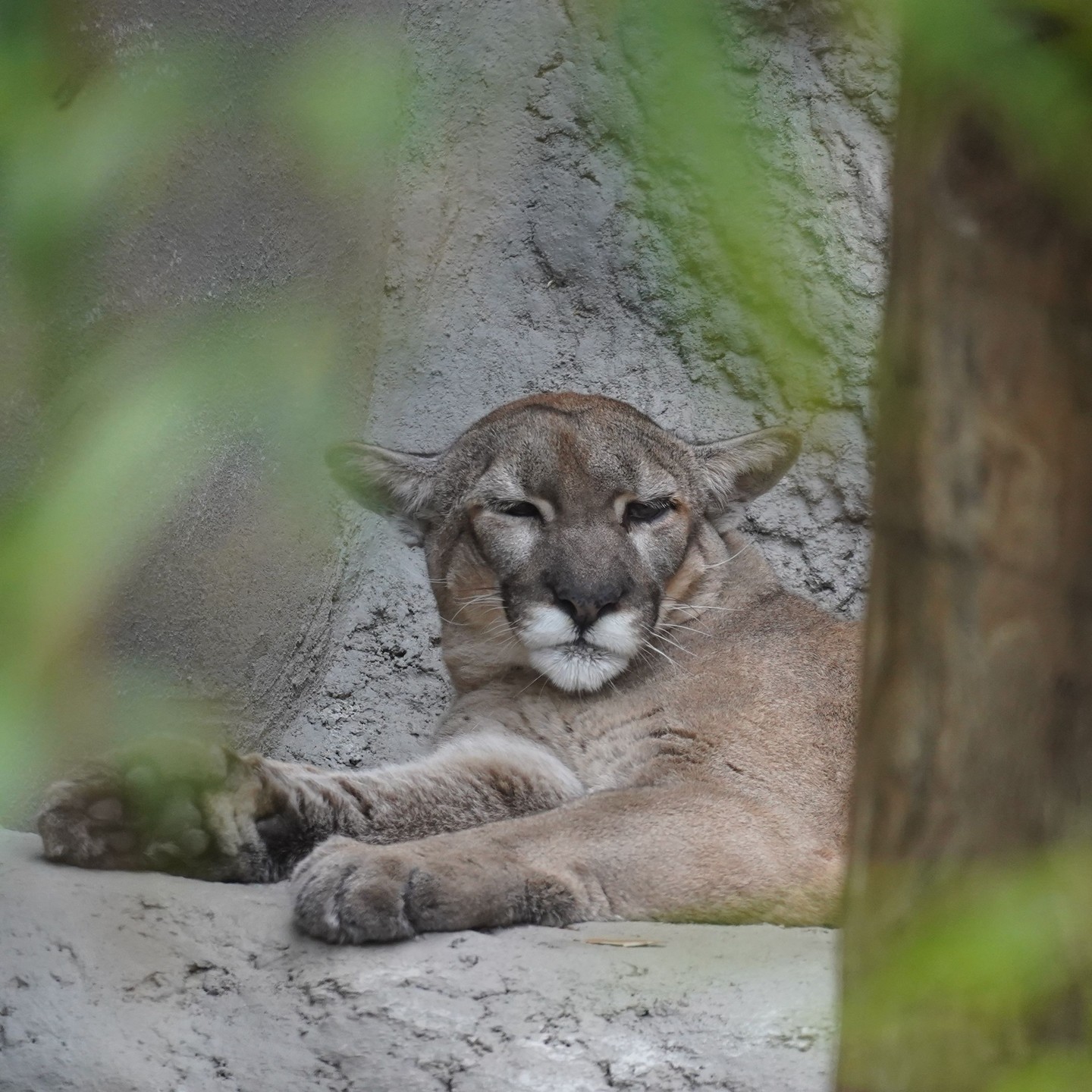
- Understanding the Monday Blues: Causes and Effects
- Independence Day Celebrations and Their Impact on Wildlife
- The Importance of Zoos in Conservation Efforts
- The Life of the Florida Panther and Its Ecosystem Role
- Balancing Human Activities with Wildlife Preservation
Many people experience a sense of lethargy or reluctance to return to work after a long weekend. This state is commonly referred to as the “Monday blues.” It often stems from transitioning back to the workweek following a period of relaxation or festivity. An extended break, such as during Independence Day celebrations, adds an array of experiences that can amplify this phenomenon. The leisurely activities enjoyed over the weekend contrast sharply with the obligations that follow.
Understanding what contributes to this feeling aids in tackling it. The abrupt switch from a carefree state to one of productivity can make returning to work a challenge. People may feel overwhelmed by the tasks awaiting them. They can struggle with disengagement from the enjoyment of the weekends. The psychological effects can extend beyond personal well-being and into aspects of workplace culture, influencing productivity levels for many.
Following the Independence Day weekend, many families take part in events involving outdoor activities, including visits to municipal parks or zoos. These encounters with nature offer great emotional respite but can also intersect with wildlife issues. People often overlook the dual role of zoos as both entertainment centers and key players in wildlife conservation. Many zoos aim to educate the public about animal species while also implementing programs that contribute to sustainable practices.
The celebration of Independence Day often includes fireworks, barbecues, and gatherings with family and friends. Such festivities create lasting memories and foster community spirit. However, they can also disrupt local wildlife. Loud noises from fireworks frighten animals, disturbing their natural behaviors and habitat. This year, fireworks launches inadvertently put additional strain on wildlife, including those sometimes housed in zoos.
One fascinating resident of the Florida landscape is the Florida Panther, a subspecies of the cougar. These big cats, numbered around 120 to 230 individuals in the wild, primarily live in the forests and swamps of South Florida. As an apex predator, they play a crucial role in maintaining balance in their ecosystem. They help control populations of various species, including deer, which can affect plant life and overall habitat health.
One of the key challenges facing Florida Panthers is habitat loss. As urban areas expand and development continues, these animals find their living spaces reduced. Furthermore, the fear of human interaction can make them vulnerable. Although they are protected by law, continued encroachment puts them at risk. Education about their role is essential, and zoos assist in this effort by displaying these magnificent creatures, highlighting their struggles for survival.
Zoos often partner with wildlife organizations to enhance conservation efforts. They engage in breeding programs aimed at increasing genetic diversity among endangered species. Through these efforts, they strive to create sustainable populations that can be reintroduced into the wild when conditions permit. In the case of the Florida Panther, every individual counts. Genetic mixing has been essential to combat inbreeding depression, so zoos actively promote educational awareness and community involvement.
Additionally, zoos conduct research on animal behavior and health, directly benefiting wildlife conservation initiatives. Through studying how animals cope with various environmental stresses, they can glean insights that can inform both captive care and field study. These findings are vital, especially as climate change poses new challenges to animal habitats. Every step taken in research ultimately translates to better care for wildlife and informed public policies aimed at wildlife protection.
On a broader scale, balancing human activities with wildlife preservation is essential for enhancing both animal welfare and ecological stability. This balance requires cooperative steps from all sectors, including government regulations, conservation programs, and community initiatives. Visiting a zoo or participating in conservation programs fosters an awareness that can lead to meaningful change.
Taking time to enjoy activities that reconnect individuals with nature can mitigate feelings of the Monday blues. Educational institutions, community centers, and zoos often offer workshops, programs, and events that could enhance understanding of local wildlife while providing enjoyable activities for families. These experiences can spark curiosity and a sense of stewardship, ultimately inspiring people to advocate for wildlife and their habitats.
Whether visiting facilities like a zoo, participating in local clean-up days, or even attending workshops about wildlife conservation, families play an important role in supporting these initiatives. Engaging with local ecosystems and understanding their functions can create a profound appreciation of the natural world. It not only enriches lives but also has the potential to impact future generations positively.
After the balance of entertainment and education found in zoos, individuals can find motivation to overcome those Monday blues. Returning from a weekend filled with involvement in nature creates a refreshing mindset. It becomes clear that reconnecting with wildlife not only has personal benefits but also contributes to broader conservation efforts.
In summary, as the nation celebrates Independence Day, the emotional highs can resonate well beyond the holiday itself. A long weekend can invigorate and recharge, but it can also lead to feelings of disconnection upon returning to routine. However, grounding oneself in nature and understanding the roles played by various ecosystems can alleviate these sentiments.
Whether reflecting on the majestic Florida Panther or marveling at other wildlife, visitors to zoos and nature centers find value in learning and experiencing the world around them. This knowledge empowers individuals to reinforce wildlife protection initiatives. It fosters appreciation for the delicate balance humans must maintain to coexist with other species.
Everyone can contribute positively while navigating the Monday blues that follow holidays by focusing on community engagement and wildlife conservation. The celebration of nature can transform feelings of dread into action and involvement, ensuring a brighter outlook at work—or anywhere—through appreciation and advocacy.
*****
Source Description
Anyone else feeling those Monday blues after a long weekend? 😴
We hope you had an excellent Independence Day with friends and family. If you visited the Zoo this weekend, we would love to hear about that, too! Lucky for Lucy, the Florida Panther, she doesn’t need to log on to Outlook after that weekend away. 👩💻
