
- The ecological importance of iguanas in Caribbean ecosystems
- Understanding Grand Cayman’s iguana population and its challenges
- The cultural significance of Caribbean music and its relationship with wildlife
- Effective conservation strategies for iguanas and their habitats
- The role of community involvement in wildlife conservation efforts
The ecological importance of iguanas in Caribbean ecosystems cannot be overstated. These reptiles play a pivotal role in maintaining the balance of their environments. As herbivores, iguanas primarily feed on a variety of leaves, fruits, and flowers, contributing to seed dispersal and plant regeneration. This aspect of their feeding behavior is crucial for the health of tropical forests where they reside. The presence of iguanas can enhance biodiversity by fostering an array of plant species that rely on them for propagation.
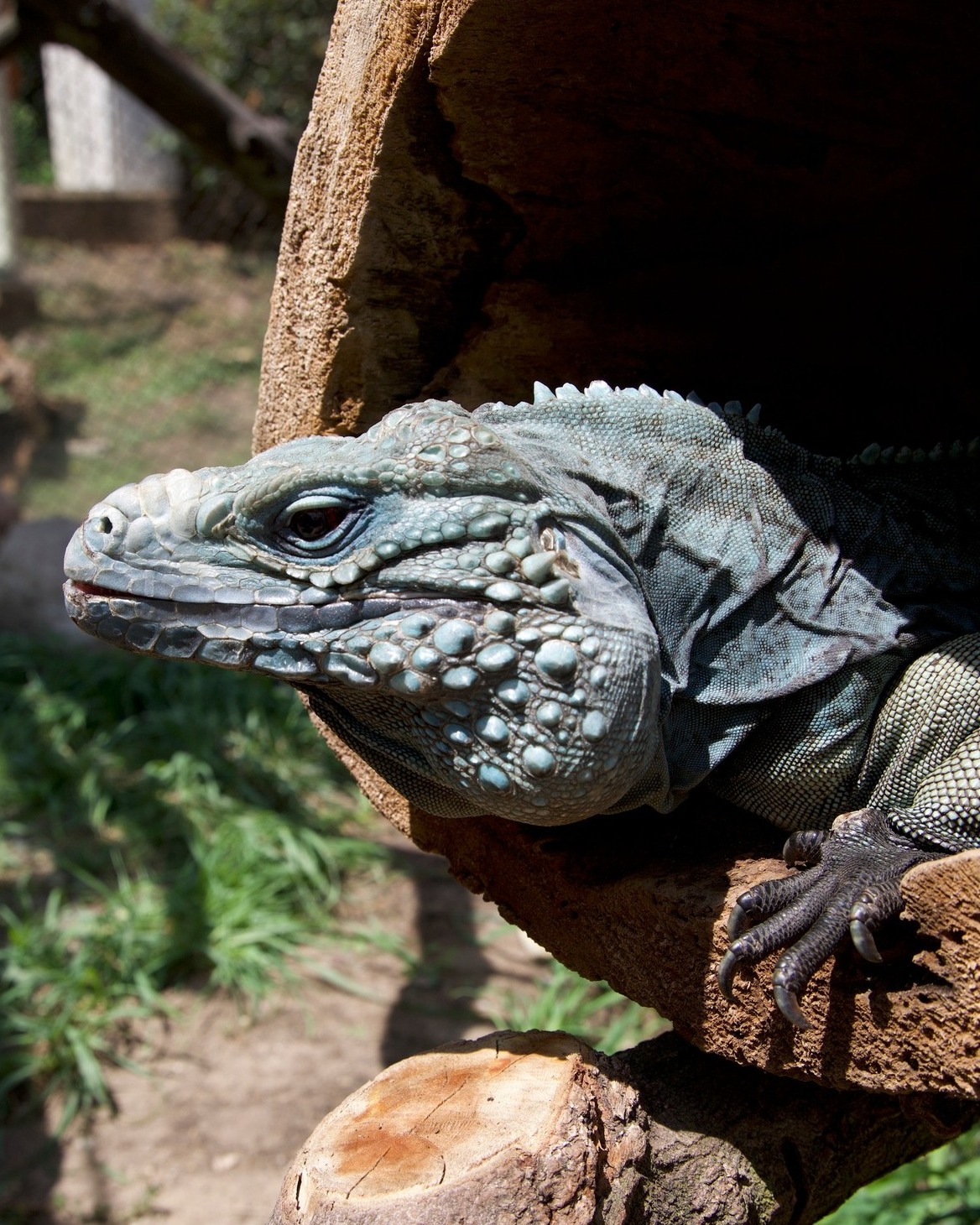
Understanding Grand Cayman’s iguana population reveals much about the health of its ecosystems and highlights pressing conservation concerns. The Grand Cayman Blue Iguana (Cyclura lewisi) is endemic to the island and serves as a vital indicator species. Historically, this population has faced grave threats due to habitat destruction, introduced predators, and illegal hunting. Conservationists estimate that their population dwindled to roughly 25 individuals by the early 2000s. Organized conservation efforts have been launched, leading to a remarkable recovery. Such actions include habitat restoration, captive breeding programs, and public education campaigns aimed at fostering community stewardship.
The cultural significance of Caribbean music extends beyond entertainment; it often reflects the island’s wildlife and natural surroundings. This cultural expression is intertwined with the rhythms of island life, similar to how ecosystems function harmoniously together. Events like Summer Nights, featuring local bands like Roots Vibrations, offer platforms for celebrating this connection. These gatherings not only provide an auditory feast but also raise awareness about wildlife preservation, emphasizing that the vibrant sounds of music echo the calls of creatures like the Grand Cayman iguana.
Effective conservation strategies for iguanas and their habitats are crucial for fostering long-term sustainability. Habitat restoration is one such approach, involving initiatives to replant native vegetation, ensuring that iguanas have access to their natural food sources and safe nesting areas. Policies aimed at controlling invasive species, particularly cats and dogs, are equally critical. These animals pose a significant threat to juvenile iguanas, which are particularly vulnerable. Community education initiatives aim to inform locals about the ecological benefits of preserving iguanas, forging a cooperative relationship between humans and wildlife.
The role of community involvement in wildlife conservation efforts in the Caribbean cannot be overlooked. Successful preservation initiatives often rely on the active participation of local residents. Educational programs highlighting the ecological roles of species like the Blue Iguana foster a sense of ownership within the community. People are more likely to engage in conservation actions when they understand the significance of wildlife in their lives. Collaborations between conservation organizations, schools, and community leaders can cultivate citizen scientists who contribute valuable data about wildlife populations and habitat health.
The intricate dance of ecology in the Caribbean provides lessons that resonate with our responsibility to preserve it. In particular, iguanas epitomize both the fragility and resilience of island ecosystems. Their survival is a testament to robust conservation efforts, which can lead to sustainable habitats and the restoration of threatened species.
As we embrace the vibrant life around us—be it through the beats of Caribbean music or the gentle sway of the trees—we must commit to protecting the environment. Public events, like the one that showcases Monster, our Grand Cayman iguana, alongside the pulsating rhythms of live island music, serve as a reminder of the intertwined destinies of culture and conservation.
In light of these details, the quest for a healthier environment and a balanced ecosystem becomes vividly clear. Supporting local events can foster awareness, promote conservation funding, and encourage community involvement. When people come together, the synergy between music and wildlife elevates both, creating an atmosphere conducive to dialogue and action.
As we continue to engage with these important issues, it becomes our responsibility to advocate for wildlife, understanding that each species plays a vital role in keeping our planet’s ecosystems harmonious. The presence of iguanas in the Caribbean not only enhances biodiversity but also enriches our cultural experience, making their conservation critical for future generations.
Monster, as an ambassador for his species, represents the larger narrative of wildlife preservation in the face of adversity. He inspires awareness and invites participation from island residents and visitors alike. By attending events like Summer Nights, individuals can immerse themselves in the vibrant culture while also nurturing a connection to the natural world. The fusion of music and wildlife education will ensure that future generations inherit a thriving environment.
*****
Source Description
He’s not cold-blooded about Caribbean beats 🎶
Monster, our Grand Cayman iguana, is ready to soak up live island music from Roots Vibrations at Summer Nights this Thursday. 🦎
Thank you to our presenting sponsor @intellectualninjas.
Visit the link in bio for details and tickets.
