
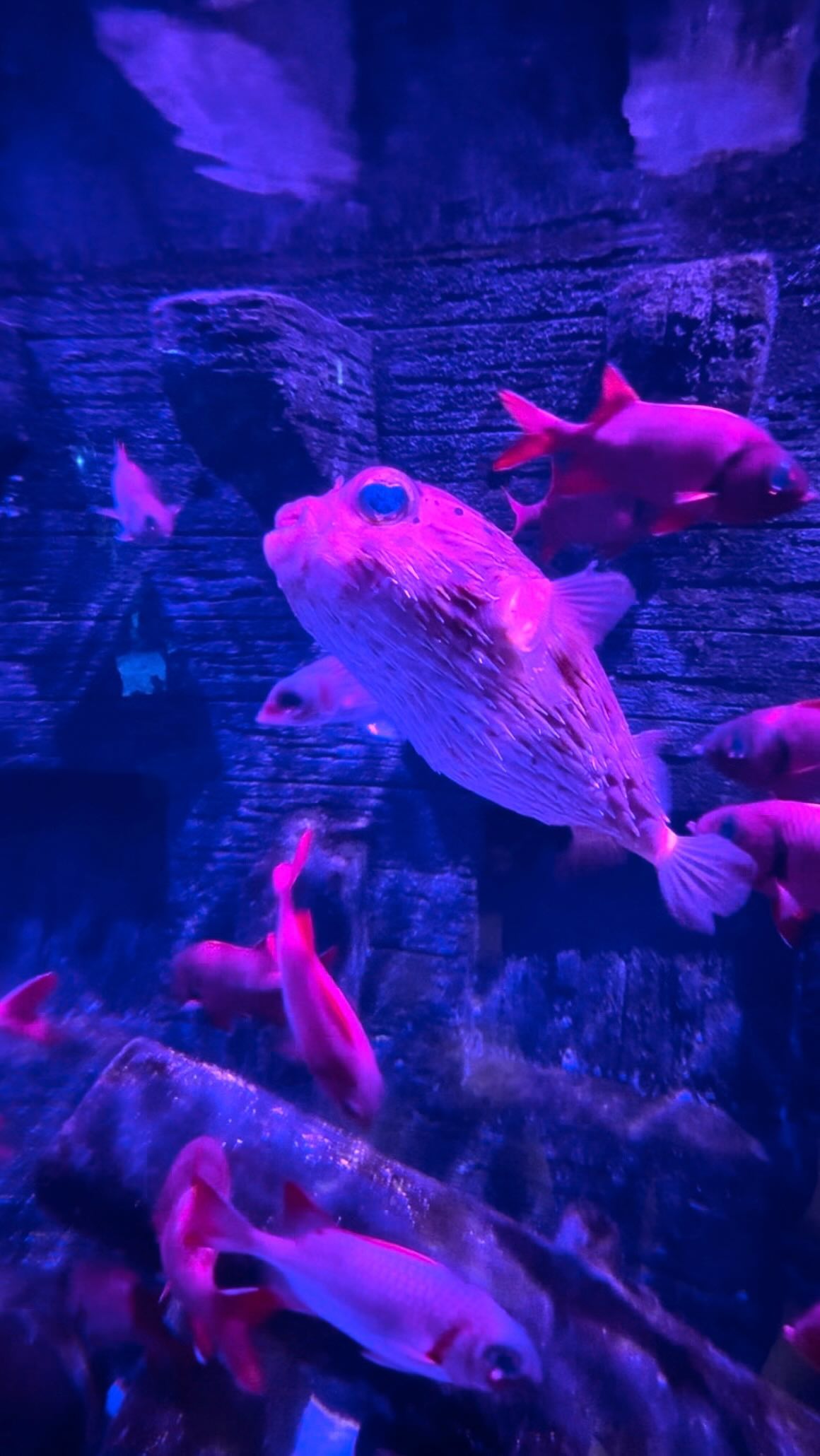
- The integral role of aquariums in marine conservation.
- The educational benefits of visiting venues like LEGOLAND California’s SEA LIFE.
- The significance of collaboration among zoos, aquariums, and communities.
- Creative approaches to fostering an appreciation for marine life.
- Understanding ocean ecosystems and the impact of human activities.
Aquariums serve as essential platforms for marine conservation efforts. They have evolved beyond mere exhibits of aquatic life into pivotal institutions. Their mission is multifaceted: education, research, and advocacy. By showcasing diverse marine species, aquariums foster a deeper understanding of the oceans and highlight the pressing challenges they face. This is especially relevant during World Oceans Week, celebrated in venues like LEGOLAND California’s SEA LIFE. Such events elevate public awareness about caring for our oceans.
Visiting aquariums can be an enlightening experience. Facilities like the SEA LIFE at LEGOLAND California offer immersive displays that captivate visitors. Each tank serves as a living classroom, inviting people to learn about various marine species. Interactive exhibits allow for hands-on engagement, something that textbooks cannot provide. Visitors can explore the intricacies of marine ecosystems, understanding roles played by different species, from apex predators to microscopic organisms. This experiential learning approach can spark lifelong interests in oceanography and marine biology.
Collaboration among aquariums, zoos, and communities is vital for advancing marine conservation. Organizations often partner to implement outreach programs aimed at educating the public about ocean health. Educational initiatives may include lectures, workshops, and school programs. These collaborations can magnify the impact of conservation messages and encourage local communities to participate actively in marine stewardship. By combining resources, these institutions can develop comprehensive strategies to address ocean-related issues, such as pollution, overfishing, and habitat destruction.
Creativity plays a crucial role in promoting marine appreciation. Events like World Oceans Week at LEGOLAND California harness the power of imaginative expression. Through activities, such as building with LEGO bricks, participants can simulate ocean habitats or create marine creatures. This blend of art and science inspires visitors to connect emotionally with marine life. By making conservation relatable and fun, these initiatives can encourage a more profound commitment to ocean preservation.
Understanding ocean ecosystems is critical in today’s context of environmental challenges. These systems represent complex interactions among living organisms and their environments. Factors such as climate change, plastic pollution, and habitat loss significantly impact these delicate ecosystems. Aquariums contribute to research that provides insight into these interactions. By sharing this information with the public, they cultivate an informed citizenry capable of making sustainable choices.
Ocean ecosystems vary widely across geographic regions, and aquariums often showcase a diverse range of biomes. From tropical coral reefs to temperate kelp forests, each exhibit highlights unique species and ecological dynamics. The intricate balance of life in these ecosystems serves as a testament to nature’s resilience and fragility. Educational programs can explain the biological functions of different organisms and their contributions to overall marine health.
Aquariums also engage in significant conservation efforts aimed at species recovery. Many institutions participate in breeding programs for endangered species, aimed at boosting wild populations. These programs not only serve the purpose of preservation but also provide valuable data for researchers studying genetics, behavior, and habitat needs. By involving the public in these initiatives, aquariums can generate support and funding, reinforcing the importance of conservation.
Public engagement in conservation actions is foundational. Through engaging exhibits, visitors learn about issues like overfishing and plastic waste. Initiatives may include clean-up events, citizen science projects, and advocacy campaigns. When people understand the direct consequences of their actions, they are more motivated to contribute positively. Encouraging visitors to take personal responsibility for marine health can lead to lasting changes in behavior.
The role of technology in showcasing marine environments cannot be overstated. Aquariums frequently utilize innovative approaches to enhance visitor experience. Virtual reality experiences, mobile apps, and augmented reality displays create immersive environments. These advancements make it easier for individuals to grasp complex ecological concepts. Incorporating technology promotes an engaging learning atmosphere that resonates with younger generations.
Conservation messaging is woven into the fabric of aquarium missions. For example, LEGOLAND California’s SEA LIFE emphasizes sustainability through various initiatives. They may host workshops focusing on reducing plastic usage or protecting marine habitats. By organizing these events, they illustrate the importance of collaborative efforts in addressing ocean health. Visitors leave with actionable knowledge, equipped to take meaningful steps toward conservation.
Celebrating events like World Oceans Week amplifies these efforts and creates community engagement opportunities. The enthusiasm generated during such weeks fosters a sense of collective responsibility. The infusion of artistic and educational programs makes conservation accessible and inviting. When community members participate in shared experiences, it enhances their understanding and fosters respect for marine life.
The educational value of aquariums is broad and diverse. Programs often incorporate elements from various scientific disciplines. This interdisciplinary approach cultivates an appreciation that goes beyond marine biology. Topics may include chemistry, ecology, and geology, illustrating the interconnectedness of life on Earth. Such depth invites visitors to appreciate marine environments from multiple angles, enriching their understanding of ocean stewardship.
An aquarium visit can spark curiosity and provoke critical thinking about environmental issues. Inquisitive minds can explore topics like ocean acidification, climate change, and biodiversity loss. By addressing these subjects, aquariums foster a proactive community. Through education, they empower the public to advocate for policies that protect marine resources. Information dissemination can lead to informed choices and behavior changes within communities.
The impact of individual actions on marine environments is profoundly significant. Each person’s choices regarding consumption, waste, and advocacy shape ocean health. When visitors comprehend this connection, they often feel inspired to engage with community efforts. Initiatives such as beach clean-ups or reductions in single-use plastics can become natural extensions of their aquarium experience.
Aquariums are also critical venues for marine research. Researchers frequently collaborate with these institutions to investigate various marine species and ecosystems. Such studies can yield insights that directly influence conservation strategies. Disseminating research findings to the public helps demystify scientific endeavors. Visitors become more connected to ongoing marine science efforts, fostering a sense of accountability for marine preservation.
An appreciation for marine life nurtures an environmental ethic rooted in respect and responsibility. Understanding marine ecosystems and the anthropogenic pressures they face becomes essential knowledge. This connection is what drives individuals to act more thoughtfully regarding their interactions with oceans. Positive behavioral change can contribute significantly to restoration and conservation initiatives.
Celebrating World Oceans Week at LEGOLAND California not only underscores the importance of marine environments but also embodies the collective spirit needed for conservation. Through multifaceted educational programming, aquariums like SEA LIFE exemplify how spaces can serve as catalysts for change. Each visitor’s engagement contributes to a greater movement geared towards protecting our oceans for future generations.
The educational framework provided by these institutions lays the groundwork for future generations to become informed stewards of the environment. Engagement through hands-on learning, coupled with artistic expression, catalyzes a broader appreciation. As technology continues to advance, the potential for even more effective educational experiences will expand. This evolution signifies a commitment to safeguarding marine biodiversity and nurturing a deeper connection between humans and the oceans.
As we navigate the challenges facing our oceans, the role of institutions like LEGOLAND California’s SEA LIFE becomes increasingly relevant. These aquariums act as beacons of hope, drawing attention to extraordinary marine life while emphasizing conservation. Their multifaceted approach illustrates how creativity, education, collaboration, and research can unite communities in the shared goal of protecting our oceans.
Whether through interactive exhibits, research initiatives, or community outreach events, the educational and conservation efforts spearheaded by aquariums drive progress. As stewards of our planet, each one of us holds a piece of responsibility in the journey toward a sustainable future. By deepening our understanding of ocean ecosystems and embracing advocacy, we can contribute to preserving the aquatic treasures that cover over 70% of our planet.
*****
Source Description
is more than just an aquarium 💙
Join us at LEGOLAND California to celebrate World Oceans Week and dive into a sea of creativity and conservation! 🌊🐠
Let’s build a better future for our oceans, 🔗 in bio for more SEA LIFE info!
