
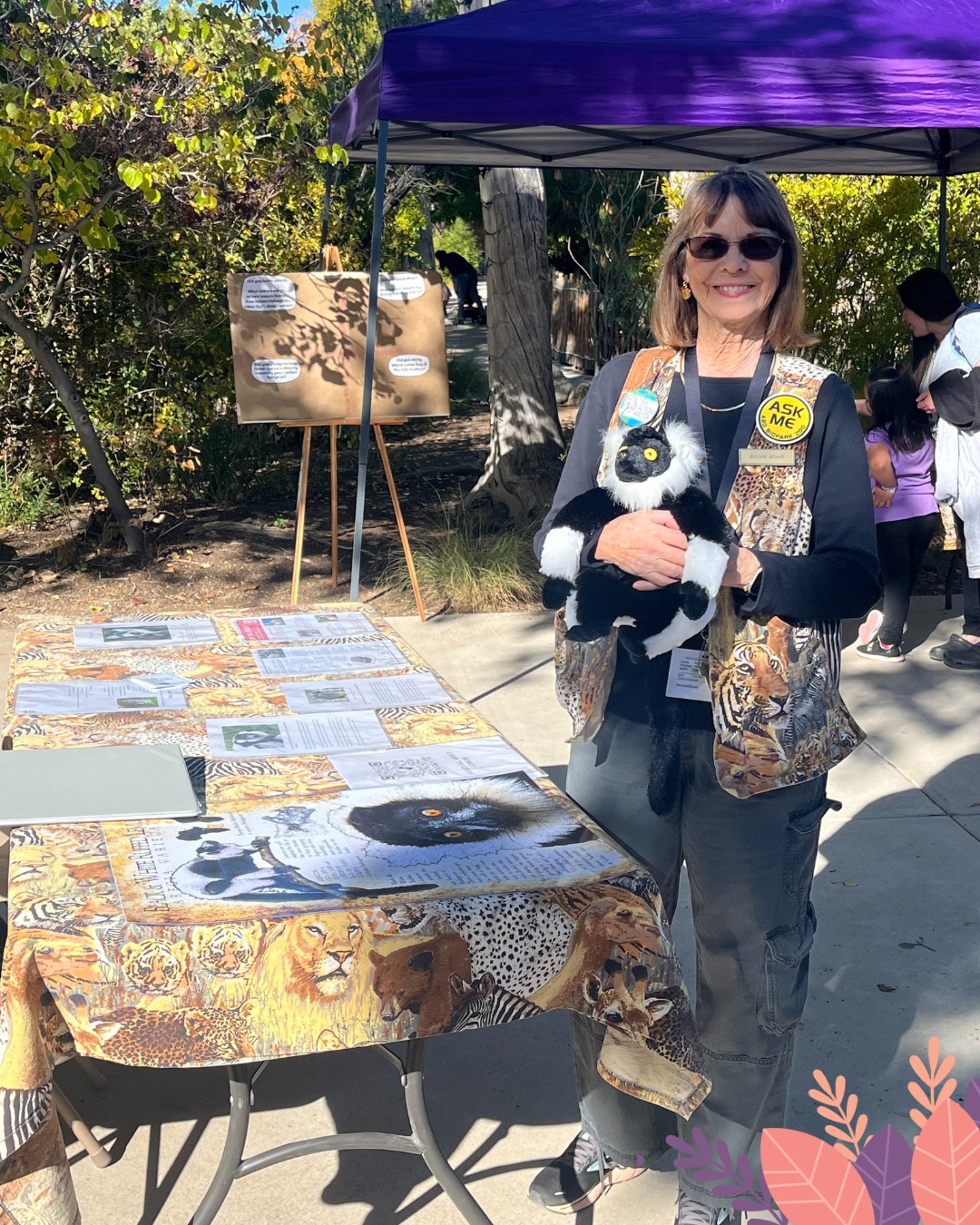
- Discovery Stations at the ABQ BioPark Zoo offer interactive learning experiences.
- The significance of animal parenting, focusing on orangutans as a case study.
- The role of zoos in wildlife conservation and education.
- Family engagement and community involvement in zoo activities.
- Practical tips for visiting the zoo during special events like Mother’s Day.
Discovery Stations at the ABQ BioPark Zoo provide families with hands-on educational opportunities. These interactive areas are strategically placed around various animal habitats throughout the zoo, aimed at enhancing guest engagement and promoting learning. Each station is designed to present valuable insights into the lives and behaviors of the animals housed at the zoo. Families can embark on an educational journey, gathering new facts and developing a deeper understanding of wildlife conservation.
One of the notable features of the Mother’s Day event is the Discovery Station situated near the Asia Primate Area. This station focuses on the fascinating topic of orangutan parenting. Participants will learn how these primates engage in nurturing behaviors, particularly their role as mothers. Orangutans are known for their complex social structures and care for their young. The method of adoption in orangutan communities is particularly striking. When a mother orangutan is unable to care for her baby due to illness or death, other females may adopt orphaned infants. This process showcases their social bonds and highlights the importance of familial relationships within their species.
Understanding the parenting strategies of orangutans is not just an academic pursuit; it’s crucial for enhancing conservation efforts. Knowledge about how orangutans raise their young can inform breeding programs and rehabilitation strategies in captive settings. The challenges these primates face in the wild, including habitat loss and poaching, increase the need for efficient conservation practices. By promoting awareness through educational stations, zoos foster a sense of responsibility among visitors.
Beyond the importance of engaging with animal behaviors, zoos play a vital role in wildlife conservation. Many species in zoos are part of breeding programs designed to maintain genetic diversity and prevent extinction. The AZA (Association of Zoos and Aquariums) manages Species Survival Plans that involve cooperative breeding efforts among various institutions. This collaboration ensures that endangered species can continue to thrive, not just in captivity but also in their natural habitats.
The educational component of zoos extends beyond biology. The ABQ BioPark Zoo provides opportunities for families to engage in conversation about broader environmental issues. These discussions often lead to actions individuals can take to promote conservation, such as reducing plastic use, supporting sustainable practices, and becoming advocates for wildlife protection. Such involvement empowers families to make informed decisions that positively impact the environment.
Community engagement is another significant facet of special events at the zoo. The Mother’s Day celebration is an ideal occasion for families to explore together, strengthening bonds while learning. Discovery Stations cater to all ages, ensuring that everyone leaves with renewed curiosity about the natural world. Children especially benefit from interactive learning; hands-on activities tend to enhance retention of information. When children engage with educational content actively, they not only learn facts but also develop a lifelong interest in wildlife conservation.
Visiting the zoo on special occasions like Mother’s Day can be a memorable experience. Consider planning ahead to maximize your visit. Arriving early allows guests to enjoy the entire zoo and avoid large crowds. Preparing for the weather is essential; appropriate clothing and sunscreen can enhance the comfort of the outing. Walking through the zoo can also be a great exercise opportunity for families to enjoy outdoor activities together while learning about wildlife.
It’s important to consider the role of zoo staff in these educational initiatives. Trained educators and zookeepers often assist visitors at Discovery Stations, providing expert insights and answering questions. Their passion and knowledge contribute to the overall experience, and visitors come away with a deeper appreciation for the animals and the challenges they face in the wild.
Furthermore, zoos also frequently adapt their programming to reflect current events and trends in conservation. During Mother’s Day and similar occasions, they may focus on relevant themes, like family and nurturing, drawing parallels to human experiences. By intertwining these narratives, the zoo engages visitors on a personal level, fostering empathy and understanding.
The integration of technology at Discovery Stations adds another layer of engagement. Interactive displays and digital resources can provide visitors with real-time information about the animals. Tablets or screens often showcase videos or facts that enhance the learning experience. This modern approach caters to tech-savvy audiences and allows guests to explore topics that interest them most.
In addition to the educational benefits, these events promote social interaction among families. They create a community atmosphere, where visitors can share experiences and knowledge. Engaging with others while exploring a common interest in wildlife fosters connections that extend beyond the zoo visit. These interactions are valuable for families looking to strengthen bonds and create memories.
Animal welfare and ethical considerations are also critical topics addressed within zoo programming. Understanding the environments in which animals thrive is fundamental to ensuring their well-being, both in captivity and in the wild. Discovery Stations often highlight the importance of ethical animal care and the roles zoos play in providing humane environments for their animals. By informing guests about these practices, the zoo builds trust and transparency within the community.
The significance of animal rehabilitation and release programs cannot be understated. Many zoos partner with wildlife agencies to rescue injured or orphaned animals. The stories of these animals often inspire visitors to consider their impact on the environment. By sharing these narratives at Discovery Stations, zoos convey the significance of stewardship and collective responsibility.
As the Mother’s Day event approaches, it is crucial to recognize the evolving role of zoos in society. They are no longer just places for entertainment; they serve as important educational platforms for wildlife conservation. The growing emphasis on community involvement and active participation aligns with a global movement toward awareness and action in conservation efforts.
Educational events like the Mother’s Day celebration at the ABQ BioPark Zoo highlight these trends, providing an opportunity for families to engage with wildlife in meaningful ways. The interactive nature of Discovery Stations enhances the educational experience, making learning about animal behavior and conservation not just informative but also enjoyable.
By directly confronting the issues affecting wildlife today, zoos like the ABQ BioPark serve as vital resources for environmental education. The stories of orangutan parenting, shared at the Discovery Stations, exemplify the importance of nurturing and familial bonds, resonating with visitors of all ages. Learning about animals and their challenges sparks enthusiasm, inspiring future generations to value and protect wildlife.
Attending special events at the zoo presents an opportunity not just for education but for inspiration. Engaging with the intricacies of animal life and conservation informs broader discussions about the environment and the role each person plays within it. The ABQ BioPark Zoo exemplifies this approach through its Discovery Stations.
The effectiveness of such educational endeavors can lead to long-lasting changes in how individuals perceive wildlife and their responsibility toward it. As families gather to celebrate Mother’s Day, they will have the chance to engage with exhibits that not only entertain but educate. This multifaceted approach ensures that the legacy of conservation continues through generations, solidifying the bond between people and the natural world.
By embracing these educational moments, visitors to the ABQ BioPark Zoo leave not only with cherished memories but also with a renewed commitment to wildlife stewardship and conservation efforts.
*****
Source Description
Discovery Stations!
Mother’s Day at the Zoo on Sunday, May 11 from 9 am to 5 pm will include Discovery Stations around the ABQ BioPark Zoo. Families can learn about the animals in the different habitats and find new fun facts about each. One station, located near the Asia Primate Area, will teach the methods of orangutan parenting and how they will adopt orphaned babies to create their families.
The more you know!
Purchase your tickets today at the link in bio.
