
- Distinguishing characteristics between moths and butterflies
- Variations in physical features and behaviors
- Habitat and lifestyle preferences
- Role in ecosystems and conservation efforts
- Common misconceptions about moths and butterflies
Butterflies and moths are often mistaken for one another, despite being part of the same order, Lepidoptera. Understanding how to tell them apart is both intriguing and important for nature enthusiasts, educators, and conservationists alike. While many people believe butterflies are brightly colored and moths are dull, this generalization doesn’t hold true for all species.
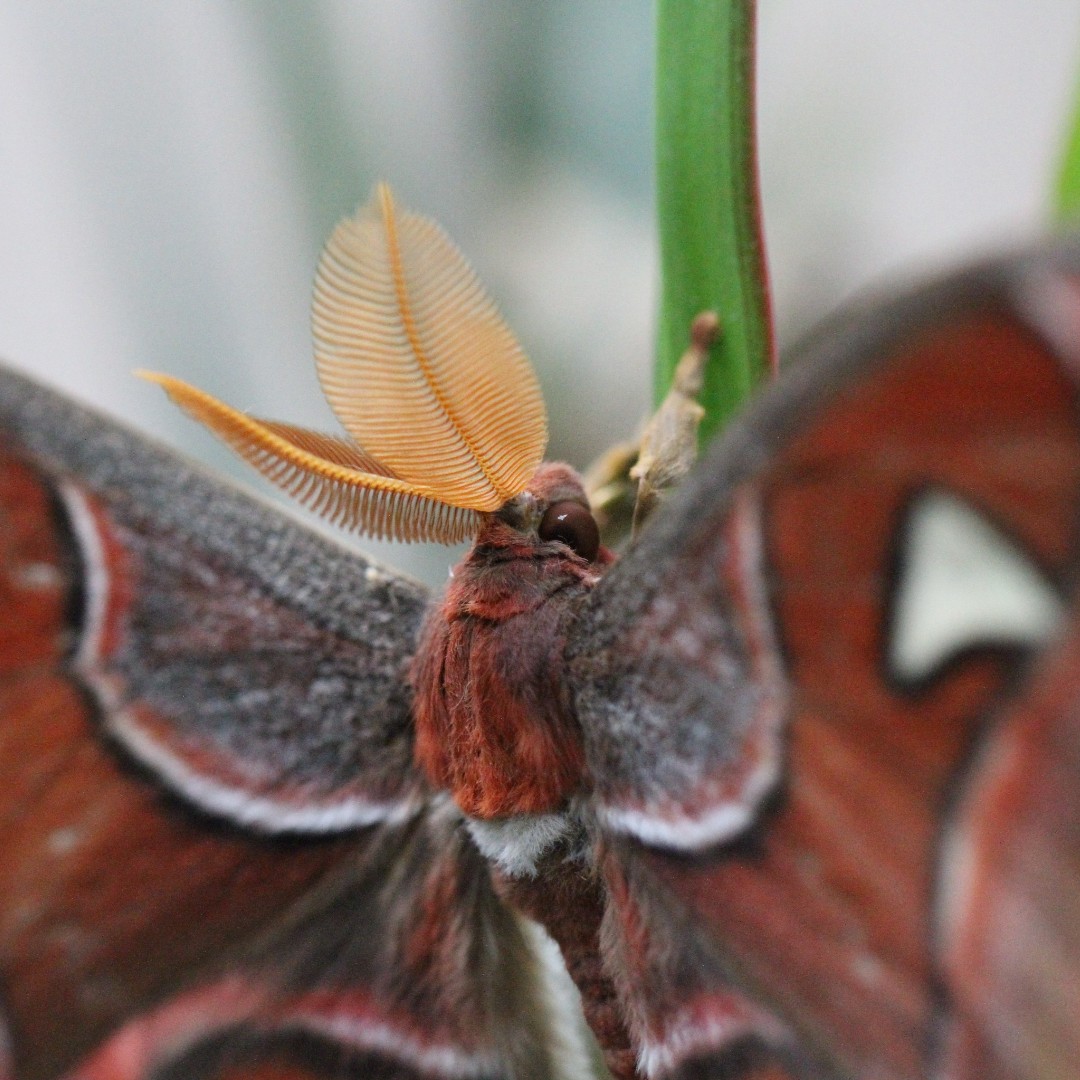
One primary factor in distinguishing these two groups lies in their antennae. Butterflies possess thin antennae that culminate in club-shaped tips, while moths typically have feathery or filamentous antennae. This feature can serve as a quick reference point when identifying these insects. Beyond antennae, other anatomical distinctions provide insight into their evolutionary adaptations.
Butterflies generally exhibit a more slender build with smooth bodies, whereas moths often have a robust or furry physique. The wings of butterflies are usually smooth and vibrant, adorned with intricate patterns that serve as camouflage or mating displays. Moths, on the other hand, may sport broader wings that can be textured and less colorful, designed for blending into their surroundings. This divergence in appearance can often be attributed to their different lifestyles and behaviors.
When analyzing the habitat preferences of these insects, butterflies are frequently found in sunny locations and open spaces, such as gardens, meadows, and fields. They rely on specific nectar-rich flowers for sustenance. Moths tend to thrive in darker, more concealed environments like forests, where they often feed at night or during twilight hours. This nocturnal behavior is another critical characteristic that sets them apart.
Both moths and butterflies play significant roles in their ecosystems. They are essential for pollination and serve as food sources for various animals. However, common misconceptions persist about these creatures. Many assume that moths are less interesting or beneficial compared to butterflies. This perspective oversimplifies the complexity of their roles in nature.
Butterflies often receive more attention in conservation efforts, overshadowing the equally important roles played by moths. Moth populations have been declining at alarming rates, threatening the delicate balance of ecosystems. Increasing awareness about their ecological significance is crucial for effective conservation initiatives. Educational programs can help dispel myths and promote a more inclusive understanding of both butterflies and moths.
In summary, individuals intrigued by the differences between moths and butterflies will find that several factors contribute to their unique characteristics. Knowledge about their antennae, body structure, habitat preferences, and ecological roles can significantly enhance one’s appreciation of these remarkable insects. Many educational centers and nature conservancies, such as the Butterfly Pavilion, offer opportunities to observe both butterflies and moths in their natural environments.
As you broaden your understanding of these fascinating insects, consider visiting places where they are showcased. Engaging with this topic not only fosters a deeper connection with nature but also instills a sense of responsibility for conservation efforts. Awareness is key to protecting these vital species and preserving biodiversity for generations to come.
The Butterfly Pavilion offers an ideal setting for observing these creatures up close. When planning a visit, you’ll be able to witness the stunning diversity of both moths and butterflies, particularly after its reopening on January 22. Educational exhibitions can provide further insights into their life cycles, behaviors, and the importance of their conservation.
In addition to aesthetic enjoyment, butterflies and moths offer immense educational value. They serve as models for study due to their various adaptations and the ways they interact with their environments. Understanding their biology on a deeper level can inspire budding scientists and conservationists.
Field studies often reveal interesting aspects of their life cycles, including metamorphosis. Both moths and butterflies undergo four distinct life stages: egg, larva (caterpillar), pupa (chrysalis or cocoon), and adult. However, their behavioral patterns during these stages can differ significantly. For instance, caterpillars of butterflies tend to be more discerning in their feeding habits, often consuming specific host plants. Moth larvae may exhibit a wider range of dietary requirements.
Moths are often more nocturnal than butterflies, which affects their feeding behaviors. They are attracted to artificial lights, while butterflies seek floral resources strategically placed by the sun. These differing behavioral adaptations have enabled both groups to thrive in various ecological niches.
Another fascinating aspect is their reproduction and mating behaviors. Butterflies engage in elaborate courtship dances, often involving visual displays of their colorful wings. Contrastingly, moths may emit pheromones to attract mates, relying on chemical signals over visual ones. Though both strategies are effective, they reflect the distinct evolutionary paths of these creatures.
In terms of habitat, butterflies often favor open spaces and sun-drenched environments, while moths can be found lurking in darker, more obscured areas during the day. This preference is linked to their specific feeding and protective strategies. Most butterflies require direct sunlight to regulate their body temperature, while moths can often thrive in cooler, shaded areas.
Both groups are vital to their ecosystems. They serve as pollinators, contributing to the life cycles of many plant species. Additionally, they act as prey for birds, bats, and other predators, linking them to various food webs. The decline of either group can have cascading effects on biodiversity and ecosystem health.
Many people often overlook the critical conservation needs of moths. This group faces threats from habitat destruction, climate change, and pesticides. Many moth species are at risk of extinction, underscoring the need for awareness and systematic conservation efforts.
Educators play a pivotal role in bridging the knowledge gap surrounding moths and butterflies. By incorporating these topics into curricula, they can foster appreciation and understanding among students. Local biodiversity initiatives can help raise awareness about both insects’ ecological roles and their conservation needs.
Artistic representations of butterflies often dominate cultural narratives, overshadowing moths in various forms of media. This perception affects public engagement with moth-related conservation. Efforts to shift this narrative can encourage more inclusive appreciation of all Lepidoptera species.
In conclusion, understanding the differences between moths and butterflies opens a broader conversation about biodiversity and conservation. While butterflies often bask in the spotlight, moths hold their own unique significance and charm. Promoting knowledge about both groups can enhance public appreciation and spur action to protect their habitats.
Embracing the complexities and marvels of both butterflies and moths can ultimately lead to a stronger commitment to ecological responsibility. By engaging with educational resources and conservation programs, individuals can play a part in safeguarding these crucial species for future generations.
*****
Source Description
Can you tell the difference between a moth and a butterfly? While many people assume butterflies are colorful and moths are dull, that isn’t always true. One helpful way to tell them apart is by their antennae. Butterflies typically have thin antennae with club-shaped tips, while moths often have feathery antennae. Put on your entomologist’s hat today and see if you can tell which is which in these photos!
While Butterfly Pavilion will be closed on January 20 and 21, you can see our beautiful moths and butterflies when we reopen with regular hours from 9:00 a.m. – 5:00 p.m. on Thursday, January 22. Visit the link in our bio to learn more.
📸: Joanne Ashton with Butterfly Pavilion
