
- The significance of Methuselah as a figure in both history and zoology
- The role of motivation in wildlife conservation efforts
- Notable examples of long-lived species and their contributions to ecosystems
- Effective messaging strategies in zoo management and animal care
- The psychological impact of motivational visuals in challenging times
The name “Methuselah” originates from a biblical figure whose lifespan was said to reach 969 years. This concept of longevity is compelling in both cultural and scientific contexts. In zoology, Methuselah highlights the importance of understanding lifespan and its implications for wildlife conservation. It encourages reflection on how certain species endure across ages, offering insights into resilience in nature. With the current environmental challenges, the analogy of Methuselah serves as a motivational touchstone, inspiring conservation efforts aimed at ensuring the survival of endangered species.
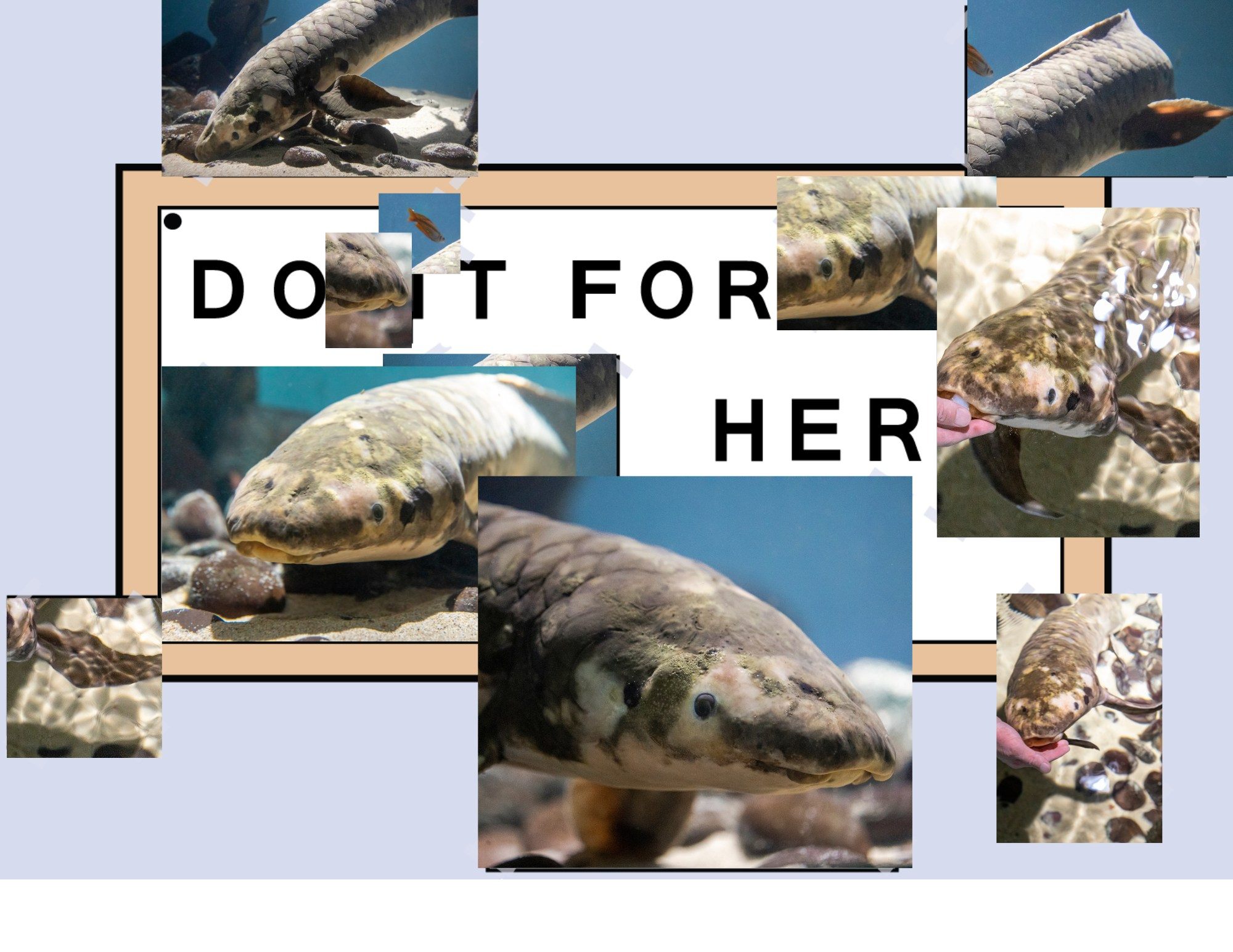
Motivation plays a crucial role in wildlife conservation. Individuals and organizations often face various challenges, from funding constraints to public engagement. A motivational Methuselah poster can act as a visual reminder of longevity, perseverance, and the need for collective action. By framing conservation in terms of timelessness, it invites stakeholders to acknowledge the legacy they can leave behind for future generations. Inspirational messages can galvanize support for conservation initiatives, urging communities and individuals to consider their role in safeguarding biodiversity.
A diverse range of species exhibits remarkable longevity, contributing significantly to the balance of ecosystems. For instance, the ocean quahog (Arctica islandica) can live for more than 500 years, demonstrating adaptations that allow it to survive in harsh marine environments. Similarly, the bowhead whale boasts a potential lifespan of over 200 years. Such long-lived species are not just biological curiosities. They serve as essential indicators of environmental health. Preserving their habitats aids in maintaining the overall stability of their ecosystems, thereby ensuring the well-being of countless other species that share their environment.
Messages and visuals play a pivotal role in zoo management and animal care. The effectiveness of communication can significantly influence public perceptions of wildlife conservation. For example, institutions often use educational displays, social media campaigns, and impactful signage to relay the importance of animal care and animal welfare. A motivational poster featuring Methuselah can serve as a focal point for these efforts, providing not only aesthetic appeal but also serving to inspire and inform. The intent is to foster emotional connections between the public and wildlife, encouraging active involvement in conservation efforts.
The psychological effects of visuals, especially motivational ones, can profoundly impact individuals facing difficult circumstances. In times of strife—be it due to climate change, loss of biodiversity, or other pressing issues—motivational imagery can bolster spirits. Research suggests that inspiration leads to increased engagement and proactivity. By introducing motivational Methuselah posters in various public settings, zoos can create environments that lift morale and motivate visitors to become advocates for sustainability and wildlife conservation.
Long-lived species like Methuselah, whether in the human context or within zoology, symbolize endurance. Their survival through adverse conditions mirrors the challenges facing today’s wildlife. The ocean quahog and the bowhead whale exemplify the need for targeted conservation strategies. Their lifespans permit them to gather extensive ecological knowledge within their environments, indicating changes in ecosystems over time. Protecting such species is vital as they can provide critical data on environmental shifts, climate patterns, and the overall health of their habitats.
Successful conservation relies on comprehensive strategies that involve not just protecting individual species, but also safeguarding the ecosystems they inhabit. Through partnerships between zoos, conservation organizations, and local communities, conservation efforts can become more robust and effective. Education and public engagement are fundamental. By integrating motivational messaging and visuals like the Methuselah poster into their frameworks, organizations can amplify their message and reach broader audiences. Motivational imagery serves as a potent catalyst for encouraging public participation, fostering an emotional investment in conservation efforts.
Zoo management strategies often incorporate these motivational elements, promoting messages that resonate with the public’s concerns about wildlife and environmental sustainability. Effective educational programs utilize various media, aiming not solely to inform but to inspire. Utilizing long-lived species as examples, like Methuselah, can create compelling narratives that showcase both the beauty of nature and the human responsibility in its preservation.
Active engagement strategies help visitors to feel involved in the process. In addition to posters, other visual media—like videos and interactive displays—can share fascinating information about various species, including their lifespans, ecological roles, and the direct threats they face. A slide show or video series showcasing long-lived species can augment the motivational message of the Methuselah poster, providing layered educational experiences that captivate and inform audiences.
The connection between species longevity and ecosystem dynamics is crucial. Species like the ocean quahog, which thrives in environments affected by climate change, are vital for studying the long-term impacts on biodiversity. Similarly, understanding the bowhead whale’s migratory patterns across generations can provide insights into shifting oceanic conditions. The conservation of such long-lived species ensures that knowledge is preserved, assisting in ongoing environmental monitoring and management.
Integrating motivational tools, such as the Methuselah poster, within conservation dialogues fosters determination among stakeholders. It serves as a visual rallying point, symbolizing hope and the necessity of collaboration across various sectors. As individuals transition from passive observers to active participants, the potential for impactful, community-driven conservation efforts becomes vast.
Stimulating interest and engagement can be achieved through creative and well-targeted campaigns. Thoughtfully designed visuals can combine artistic appeal with factual information, enhancing their effectiveness. Conservation messaging must be clear and compelling. The Methuselah poster, representing endurance, can attract attention and spur discussions about the broader implications of wildlife conservation.
In zoology, cognitive studies reveal that visuals and narratives foster better retention of information. The use of compelling imagery enhances learning experiences, making complex ideas more accessible. For instance, depicting Methuselah alongside images of long-lived animals can spark curiosity, encouraging further exploration of conservation topics.
Public perceptions of wildlife often hinge on emotional connections. A well-crafted Methuselah poster can evoke empathy, encouraging people to consider the consequences of their actions on long-lived species. This target emotional approach links personal choices with ecological outcomes, motivating individuals to advocate for sustainable practices in their daily lives.
Moreover, integrating community feedback into conservation strategies can enhance their effectiveness. By understanding public concerns and motivations, organizations can tailor their outreach to address specific community interests in wildlife conservation. A motivational Methuselah poster can be a pivotal element in educational events or workshops, adding visual weight to the discussions while relating to participants on a personal level.
The educational potential of zoos has expanded in recent years, evolving beyond mere exhibition spaces into platforms for advocacy and awareness. Many zoos are now leading conservation programs, focusing on species recovery efforts and habitat restoration. The implementation of motivational elements, including eye-catching posters such as the Methuselah, enhances the overall mission to engage with public audiences more deeply.
Central to this approach is the recognition of not just the species themselves but the ecosystems that support them. Recovery initiatives focused on long-lived species form a backbone for broader ecological health. By spotlighting Methuselah and similar species, organizations can advocate for habitat conservation, connecting their longevity to the health of those ecosystems.
The discussion around a motivational Methuselah poster encapsulates themes of endurance and hope. By embodying the long-term perspective necessary for wildlife conservation, the poster becomes more than a motivational tool; it symbolizes collective action and responsibility. The plight of endangered species is often overshadowed, but an emphasis on longevity provides a fresh narrative. It serves as both a call to arms and a reminder of the enduring connection between humanity and nature.
Reinforcing personal agency within this framework is vital. Each person, regardless of their background, can impact conservation efforts. Highlighting long-lived species such as Methuselah serves as a focal point for initiating community-led projects, fostering local stewardship, and integrating wildlife education into community programs. Motivational posters can act as catalysts, inspiring individuals to begin or enhance their journeys in wildlife advocacy.
This comprehensive understanding of conservation and motivation in the context of Methuselah reveals its significance beyond mere survival. Long-lived species hold keys to understanding ecological balance, and educating the public regarding their importance can deepen our shared commitment to safeguarding our environment. As communities unite in these efforts, the message of enduring stewardship for the planet becomes ever clearer.
*****
Source Description
Can we offer you a motivational Methuselah poster for these trying times? 🙇
