
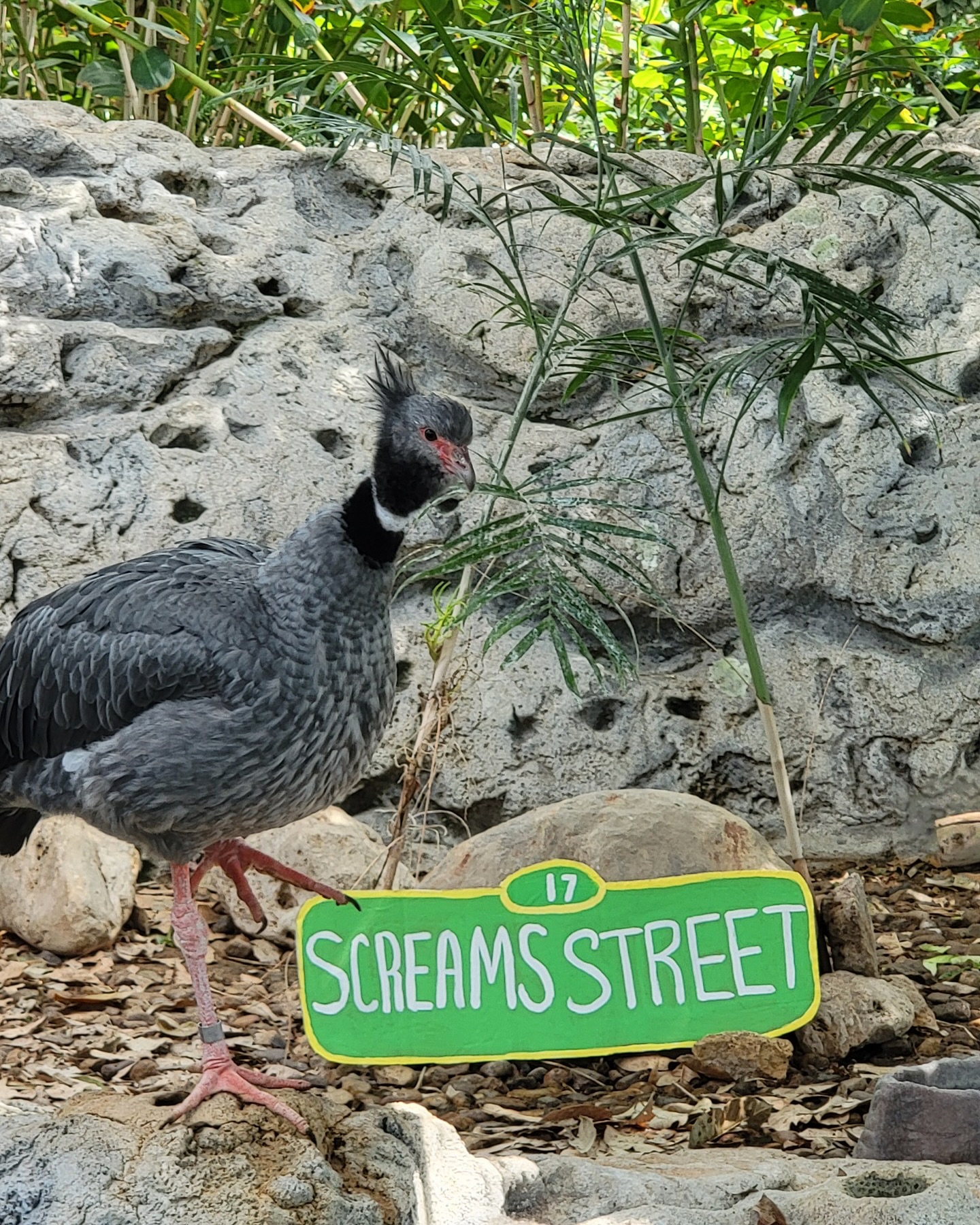
- Mr. Screams: A Spotlight on the 17-Year-Old Avian Star
- Sesame Street: An Enduring Influence on Wildlife Education
- The Significance of Celebrating Wildlife Birthdays
- Animal Care: Best Practices for Avian Species
- Conservation Awareness Through Community Engagement
Mr. Screams, a vibrant and captivating avian resident, recently celebrated his 17th birthday, marking an important milestone in both his life and the work of the Wildlife Care team. Known as the “Dancing King,” Mr. Screams has become a favorite among visitors due to his lively personality and engaging performances. This celebration, themed around Sesame Street, emphasized both Mr. Screams’ unique character and the essential role of education in wildlife conservation.
The celebration featured an array of colorful decorations inspired by Sesame Street characters, creating an inviting atmosphere. Notably, a special ice cake, reflecting the playful spirit of Big Bird, delighted both staff and guests. Such themed events not only enhance engagement but also serve as educational opportunities for the community. Celebrating wildlife birthdays can highlight individual animals’ roles in conservation while fostering a sense of connection among visitors.
The fascination with characters like Big Bird resonates deeply with various audiences. Sesame Street has a long history of including animal themes and characters that serve educational purposes. By incorporating these beloved figures into events like Mr. Screams’ birthday celebration, the Wildlife Care team can draw parallels between the show’s messages and the overarching goals of wildlife conservation. This connection helps engage younger generations in conversations about the natural world and instills a sense of responsibility toward wildlife.
Many species, like Mr. Screams, are ambassadors for their wild counterparts. By raising awareness of issues through celebrations and events, organizations can underscore the need for ethical animal care, effective habitat conservation, and environmental stewardship. Mr. Screams’ story illustrates the importance of avian survival and protection, providing a direct link to conservation efforts.
Proper animal care is essential in maintaining the well-being of avian species. Wildlife care specialists employ numerous strategies to promote health and longevity in their charges. Nutrition is a critical factor; avian diets often require specific vitamins, minerals, and fibers to thrive. For Mr. Screams, the Wildlife Care team provides a balanced diet that includes fruits, vegetables, seeds, and specially formulated pellets to meet his nutritional needs.
Additionally, ensuring mental stimulation is vital for birds, especially those living in captivity. Enrichment activities, like providing toys or introducing new perches, play a role in promoting psychological health. These activities trigger exploratory behaviors and prevent boredom, which can lead to stress-related issues. For Mr. Screams, his penchant for dance has made him an exemplary candidate for dance-based enrichment. The Wildlife Care team encourages this behavior, recognizing its positive impact on his overall health.
Yearly celebrations like Mr. Screams’ birthday foster greater community engagement in wildlife conservation. Families, children, and adults alike participate in activities that educate and foster appreciation for wildlife. The celebratory atmosphere allows participants to connect, share experiences, and understand their relationship with nature. Each event serves an educational purpose, promoting awareness about the importance of conserving habitats and protecting wildlife.
The significance of animals like Mr. Screams extends beyond entertainment. Birds around the world play a critical role in ecosystems as pollinators, seed dispersers, and contributors to controlling insect populations. Educating the public about these ecological functions can ignite passion and commitment toward wildlife conservation efforts. As bird populations decline due to habitat loss, climate change, and other human activities, advocacy becomes increasingly important. Mr. Screams illustrates the charm and intelligence that birds bring to our lives, serving as an excellent ambassador for these vital roles.
Community involvement is another powerful tool that enhances conservation efforts. The Wildlife Care team engages the audience through interactive exhibits where visitors can learn about avian health, behaviors, and ecology. Workshops, talks, and hands-on experiences facilitate a deeper understanding of wildlife care practices. Promoting events featuring beloved animal ambassadors like Mr. Screams is a dynamic way to increase public interest in wildlife preservation while fostering community cohesion.
In recent years, wildlife care facilities have enhanced their responsibility to provide educational programs. These programs encourage the public to engage with conservation issues meaningfully. Informational signage, on-site presentations, and workshops create pathways to deeper understanding. By combining interactive experiences and celebrations like Mr. Screams’ birthday, the Wildlife Care team can inspire visitors to take action in their own communities.
Advocacy may take various forms, from supporting local wildlife organizations to participating in habitat restoration projects. Simple actions, such as reducing plastic waste and planting native species in gardens, can significantly impact local ecosystems. Educators can use Mr. Screams as a case study in presentations to further illustrate the positive outcomes of conservation efforts. These stories can inspire individuals to consider their roles in protecting natural environments and species alike.
In addition to education, responsible animal management practices remain a cornerstone of wildlife care. The Wildlife Care team follows strict guidelines for species-specific rehabilitation and care. Training staff in behavioral observation techniques is vital for identifying any distress signals in birds. For Mr. Screams, daily observation helps the team monitor health markers such as appetite, behavior changes, and physical condition. These checks play a critical role in addressing any health issues promptly.
Furthermore, biosecurity measures are essential in preventing disease spread among avian populations. Pathogen transmission can have devastating effects, especially in crowded environments like zoos or wildlife rehabilitation centers. The Wildlife Care team trains consistently in cleaning protocols, limiting exposure among species, and ensuring proper quarantine for newly admitted animals. Through vigilant practices, the team safeguards the health of all the residents.
Another important focus is the integration of scientific research into wildlife care initiatives. Data collection on individual behaviors, health metrics, and breeding patterns can inform best practices for both in-house care and collaborative conservation efforts. Tracking the success and challenges faced by birds like Mr. Screams offers invaluable insights into broader species trends. Understanding these dynamics strengthens the foundation for improved wildlife management and conservation strategies.
Additionally, the role of technology in wildlife care continues to expand. From employing camera traps to track behaviors to utilizing advanced monitoring systems that can detect health issues, modern tools enhance wildlife management efficiency. These innovations improve the quality of care provided to individual animals while increasing the scope of data available for researchers and conservationists.
Engaging with the public is vital for any wildlife care program. The Wildlife Care team actively involves visitors in Mr. Screams’ care journey, providing educational opportunities about avian species and their conservation challenges. Through community events, outreach programs, and educational resources, the public becomes partners in wildlife protection. Visitors often leave events like Mr. Screams’ birthday inspired and ready to advocate for sustainability in their own lives.
Celebrating wildlife birthdays, with Mr. Screams as a case study, encourages a multi-faceted approach to wildlife care. It combines entertainment, education, and emotional connection into a single event. Events allow visitors to learn about species, engage in meaningful discussions, and participate in conservation initiatives.
The enduring impact of Mr. Screams, as our 17-year-old Dancing King, showcases the positive bond that can exist between wildlife and the community. These interactions reinforce that wildlife conservation is a shared responsibility requiring dedication, passion, and awareness. Mr. Screams’ story serves as a reminder of the role we all play in protecting and preserving the precious wildlife that shares our planet.
*****
Source Description
Mr. Screams is our Dancing King at 17! 👑 Our Wildlife Care team put together a Sesame Street-themed decor for his BIRD-day, complete with a special ice cake. Big Bird would definitely approve! 💛
📸 Wildlife Care Specialist II, Amanda B
