
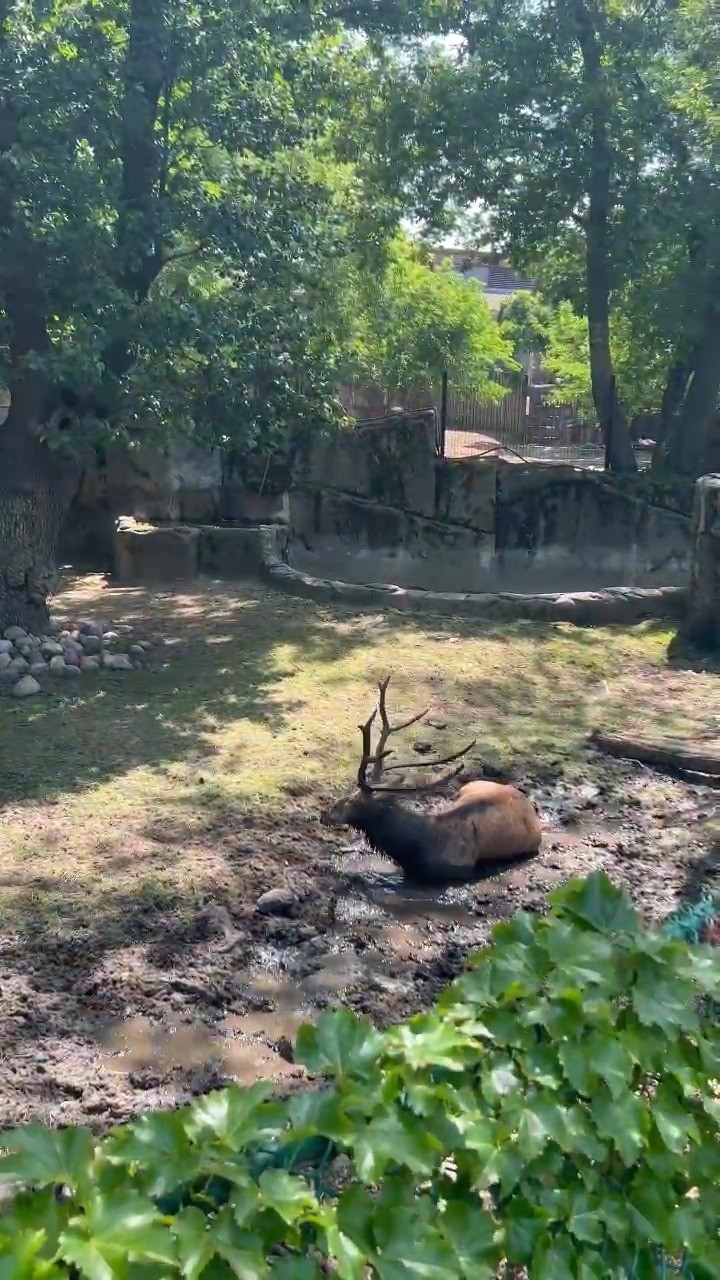
- The significance of mud baths for Pere David’s deer
- Behavioral ecology: Why animals wallow
- Health benefits associated with mud bathing
- The role of mud baths in ecological conservation
- Conservation efforts for Pere David’s deer
Wallowing is an intriguing behavior observed in many animal species, especially among Pere David’s deer (Elaphurus davidianus). These deer, native to China, are notable for their distinctive appearance and fascinating habits, including the practice of coating themselves in mud. This behavior offers various advantages, particularly in maintaining thermoregulation and acting as a natural barrier against pests.
Pere David’s deer, which nearly faced extinction in the 20th century, relies on its unique adaptability for survival. Understanding why these creatures engage in mud bathing can provide insights into their biology and promote effective conservation methods.
Wallowing serves several important functions for Pere David’s deer. Firstly, it helps regulate body temperature. During hot seasons, mud provides a cooling layer. The evaporative cooling effect helps lower their temp when the external environment becomes too warm. The mud acts as a protective barrier against the sun, reducing the risk of overheating.
Secondly, the mud serves as a natural insect repellent. Numerous animals engage in dust or mud bathing as a way to deter pests. For Pere David’s deer, especially, the mud creates a physical barrier that prevents insects from successfully biting and feeding on their skin. This is particularly beneficial in habitats where insect populations can become overwhelming.
Behavioral ecology provides a comprehensive framework for understanding the reasons behind animal behaviors like wallowing. Many species utilize wallowing as a way to communicate social status within groups or to mark territory. For Pere David’s deer, mud baths can serve as part of their social ritual, allowing them to bond and interact in a communal setting. The act of wallowing often reveals information about individuals, such as their reproductive status or health. Behaviors like these promote group cohesion, essential for species that tend to live in socially structured herds.
When we assess the health benefits of mud bathing, the advantages become clearer. Mud has antimicrobial properties, which can be particularly valuable for these deer. By covering themselves in mud, they reduce the likelihood of skin infections or irritations. This natural skincare routine ensures their overall well-being and enhances their survival chances.
In addition to its protective qualities, the mud can also serve as a source of minerals. The nutrients present in the mud may contribute to the deer’s dietary needs, supplementing their intake of essential minerals, as animals are known to seek out specific soil types for nutritional benefits.
As we consider the environmental implications, it’s clear that understanding the behavior of Pere David’s deer aids in the development of effective conservation strategies. The species is critically endangered, with populations now primarily existing in protected areas and conservation programs. Efforts such as habitat restoration and regulated breeding programs help ensure the survival of this remarkable species.
Conservation initiatives extend to preserving the wetlands and marshlands where the deer thrive. These ecosystems not only support the needs of Pere David’s deer but also maintain significant biodiversity. Protecting these areas secures habitat for numerous species while promoting ecological balance.
By observing these deer in managed habitats, conservationists can monitor their wallowing behavior, offering vital data on their health, reproduction, and social interactions. Insights garnered from these observations facilitate more effective management plans aimed at improving population stability and genetic diversity.
To grasp the full significance of wallowing, it becomes clear that this natural behavior provides both physiological and social advantages. The mud offers thermal relief and a defense against pests while enhancing group dynamics through communal activities. The broader ecological implications shine a light on how species coexist and interact with their environment.
There’s also a cultural component to consider. In China, where Pere David’s deer are native, there’s a growing awareness about the importance of wildlife conservation. Educational programs and partnerships help to inform local communities about these deer and their habitat, fostering a sense of stewardship toward natural resources.
In summary, Pere David’s deer showcases the intricate relationship between behavior, health, and conservation. Their mud bathing practices not only contribute to their individual well-being but also emphasize the need to protect their habitats and the ecosystems in which they live. Conservation efforts should continue striving for habitat protection and resilience, allowing future generations to appreciate the natural wonders embodied by these unique animals.
Understanding the practices of Pere David’s deer can serve as a case study in broader conservation strategies. The lessons learned from their wallowing behavior can inspire diverse approaches in wildlife management, highlighting the importance of respecting animals and their ecological roles. As such, attention to the needs of species like Pere David’s deer can enhance our collective efforts for biodiversity preservation.
In essence, wallowing is more than just a quirky habit; it is a vital behavior that encompasses aspects of health, social interaction, and ecological balance. Through research, education, and dedicated conservation efforts, we can observe the benefits that such natural habits provide and reaffirm our commitment to protecting these remarkable creatures and the ecosystems they inhabit.
*****
Source Description
Wallow away, it’s mud bath time! Pere David’s deer will coat themselves in mud, a behavior that helps keep them cool and acts as a natural insect repellent.
