
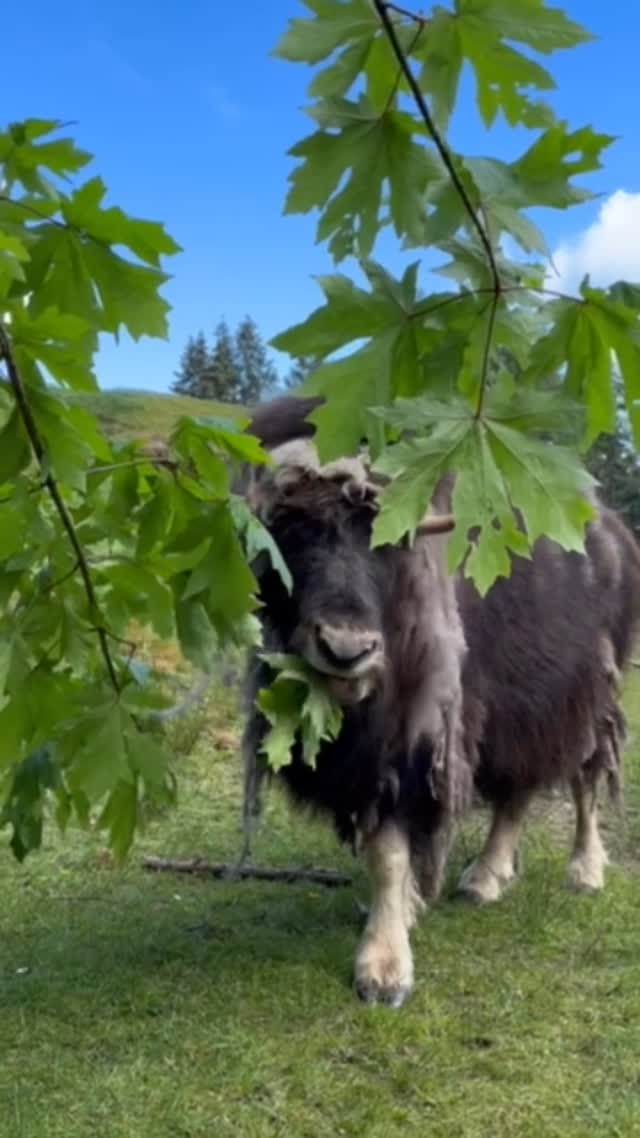
- Understanding the natural behavior and diet of muskoxen, focusing on Willow the muskox, highlights the importance of seasonal dietary changes and benefits of consuming greens.
- An overview of qiviut shedding during spring provides insights into the natural processes of muskoxen and its impact on the ecosystem.
- An exploration of zoo management practices that support the health and well-being of muskoxen, with emphasis on natural living conditions.
- Insights into wildlife conservation efforts for muskoxen, addressing their ecological role and the importance of habitat preservation.
The fascinating life of muskoxen, such as Willow, offers a remarkable glimpse into the adaptability and resilience of these creatures. As spring arrives, Willow relishes her fresh browse, a diet essential for her nutritional needs. Muskoxen are herbivores, relying on a diet rich in grasses, leaves, and woody plants. This seasonal dietary shift not only nourishes them but also serves as a reminder of the importance of greens in maintaining health. This adaptive feeding behavior ensures they obtain the necessary nutrients as food availability changes throughout the year.
Spring also marks the shedding season for muskoxen, as they naturally lose their qiviut, a soft, fine wool beneath their outer guard hairs. Qiviut is one of the warmest natural fibers, highly prized for its insulation properties. As muskoxen like Willow shed this fiber, it becomes a valuable resource for birds, which use it to line their nests, enhancing the survival rates of chicks by providing warmth and protection. This process illustrates a fascinating interaction within the ecosystem, where the behavior of one species supports the life cycle of another.
At zoos, understanding and facilitating these natural processes is crucial for the well-being of the animals. By allowing muskoxen to shed naturally, without intervention, zookeepers ensure that the animals can maintain their natural behaviors. This approach is in line with contemporary zoo management practices that prioritize the mental and physical health of animals by replicating their natural habitats and respecting their life cycles. Keeper Russell, who closely observes Willow, ensures that her environment closely mirrors that of her wild counterparts, enabling her to thrive.
The presence of muskoxen in managed environments also plays a significant role in conservation efforts. The muskox, native to the Arctic, faces challenges due to climate change and habitat disruption. Zoos play a pivotal role in education and conservation by raising awareness about these animals and the importance of preserving their habitats. Willow’s interactions and natural lifecycle offer visitors an opportunity to learn about the ecological importance of muskoxen and the need for sustainable practices to protect their environments.
Through these efforts, the conservation and management strategies implemented in zoos contribute to a broader understanding and preservation of wildlife. By showcasing the behaviors and needs of muskoxen like Willow, these institutions educate the public and inspire greater appreciation and action towards conserving these magnificent animals.
*****
Source Description
Willow the muskox is loving her fresh spring browse—a good reminder to eat your greens! 🌿
It’s shedding season, and we let our muskoxen naturally shed their qiviut. The birds love it for nesting! 🪹
📹: Keeper Russell
