
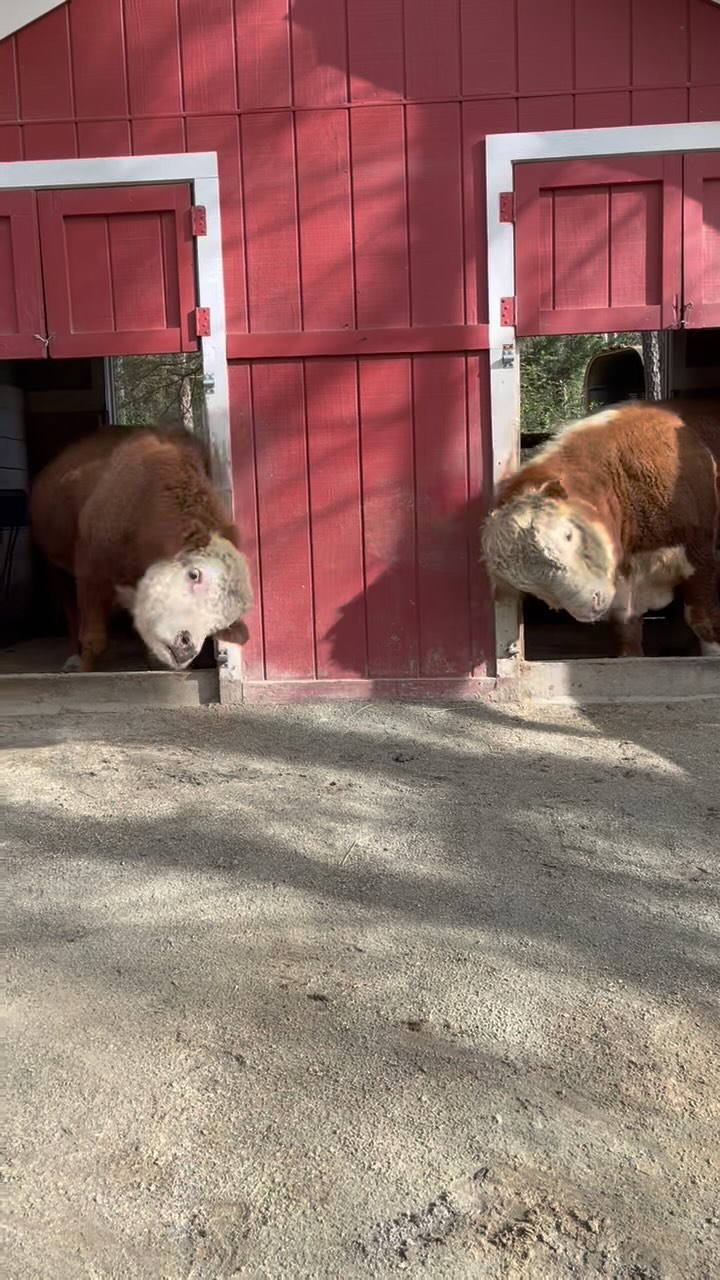
- Exploring the origins and meanings of "You scratch my back, I scratch yours" and its relation to animal behavior and mutual benefit.
- Understanding symbiotic relationships in nature and their significance in ecology and wildlife conservation.
- Insights into zoo management practices that foster cooperative behavior and conservation efforts.
- Examining the roles of zoos in promoting wildlife conservation and ecosystem balance.
- Engaging with interactive and educational experiences at museums and zoos to inspire conservation awareness.
The phrase "You scratch my back, I scratch yours" is a colloquial expression capturing the essence of mutual benefit and cooperation. This saying finds its roots not just in human interactions, but remarkably, in the natural world around us. Animals often engage in behaviors that epitomize this concept, leading to complex inter-species relationships known as mutualisms.
Mutualism is a cornerstone of ecological balance. It occurs when two different species collaborate for mutual benefit. For instance, the relationship between cleaner fish and their host fish is a classic example. Cleaner fish consume parasites from larger fish, providing health benefits to the host while securing food for themselves. This mutualistic interaction is highly beneficial and crucial for ecosystem health.
Symbiotic relationships such as mutualism illuminate how interconnected life can be. In nature, these relationships are pivotal for survival. Bees pollinate flowers while collecting nectar, ensuring plant reproduction. Similarly, lichens represent a mutualistic relationship between fungi and algae. Understanding these relationships enhances our conservation strategies, allowing us to maintain biodiversity and ecological integrity.
Zoo management plays a vital role in simulating and preserving these natural interactions. Modern zoos are committed to wildlife conservation, providing sanctuary for endangered species and educating the public on ecological significance. By creating environments that mimic natural habitats, zoos support the continuation of essential behaviors like mutualism. This is crucial for both animal wellbeing and conservation research.
Zoos are not only about animal preservation. They also serve as educational hubs fostering awareness and appreciation for wildlife. Interactive exhibits and educational programs are strategically designed to inspire visitors. Zoos aim to highlight the importance of every species in maintaining ecological balance, thus promoting broader conservation efforts. This interactive engagement helps bridge the gap between scientific conservation and public appreciation.
Museums and zoos offer unmatched opportunities to explore wildlife in engaging ways. By experiencing firsthand the intricacies of animal behavior and the beauty of mutualism, visitors can develop a deeper understanding and respect for nature. These institutions play a crucial role in nurturing a context where conservation awareness is part of societal values. The accessibility of such education to all ages promotes an enduring commitment to sustainability and environmental stewardship.
In exploring the saying "You scratch my back, I scratch yours," it is evident that this concept permeates deeper into both human and animal interactions. The underlying theme of cooperation and mutual benefit is a testament to its significance. By observing and supporting these natural relationships, zoos and museums help us understand our role in preserving the delicate balance of ecosystems. This knowledge is pivotal for ensuring a sustainable future for upcoming generations.
Ultimately, the convergence of educational experiences and conservation efforts cultivates a more informed and responsible society. Our understanding and appreciation of mutual benefits in nature lead to more profound commitments to conservation and ecological protection, reinforcing the importance of sustaining biodiversity for the health of our planet.
*****
Source Description
You scratch your back, I scratch mine.
… Isn’t that how the saying goes? Whatever it is, scratch your itch for adventure this week at the Museum 🐮
Plan your visit at the link in our bio!
📹: Animal Care Nicole
