
Summary of My journey to Ewaso Lions:
In a post dated March 18, 2026, a Zoo Atlanta keeper shares their journey from purchasing an animal tracking bracelet from Fahlo to becoming an advocate for Ewaso Lions, a conservation organization in northern Kenya. Ewaso Lions focuses on promoting coexistence between local communities and wildlife, training residents to monitor lions and reduce human-animal conflicts. The keeper successfully applied for Zoo Atlanta’s conservation funding to support Ewaso Lions’ Lions Kids Camp, which educates the next generation about conservation through engaging activities. The collaboration will fund three camps in 2026, and the keeper expresses excitement about fostering a connection between young people and wildlife. They encourage others to support Ewaso Lions through Fahlo bracelets available in the Zoo Atlanta store.
- The significance of Ewaso Lions in wildlife conservation.
- The role of community involvement in human-wildlife coexistence.
- The impact of educational programs like Lions Kids Camp.
- The function of partnerships in supporting conservation efforts.
- Personal experiences and insights into conservation advocacy.
Ewaso Lions holds vital importance in the sphere of wildlife conservation, particularly in northern Kenya. Established to protect lions and other large carnivores, their mission revolves around ensuring harmony between local communities and wildlife. By working closely with these communities, Ewaso Lions promotes initiatives that benefit both humans and animals. This approach addresses the issue of human-wildlife conflict, a significant challenge faced in areas where rural populations and wildlife coexist.
Through community collaboration, Ewaso Lions trains members to monitor lion populations, which is essential for understanding their behavior and habitat requirements. Healthy lion populations indicate a balanced ecosystem, while addressing the fears and concerns of local communities is crucial. When people feel secure, they are more likely to support conservation efforts. The organization also works tirelessly to implement effective solutions, such as livestock protection measures, which minimize interactions that could lead to conflict.
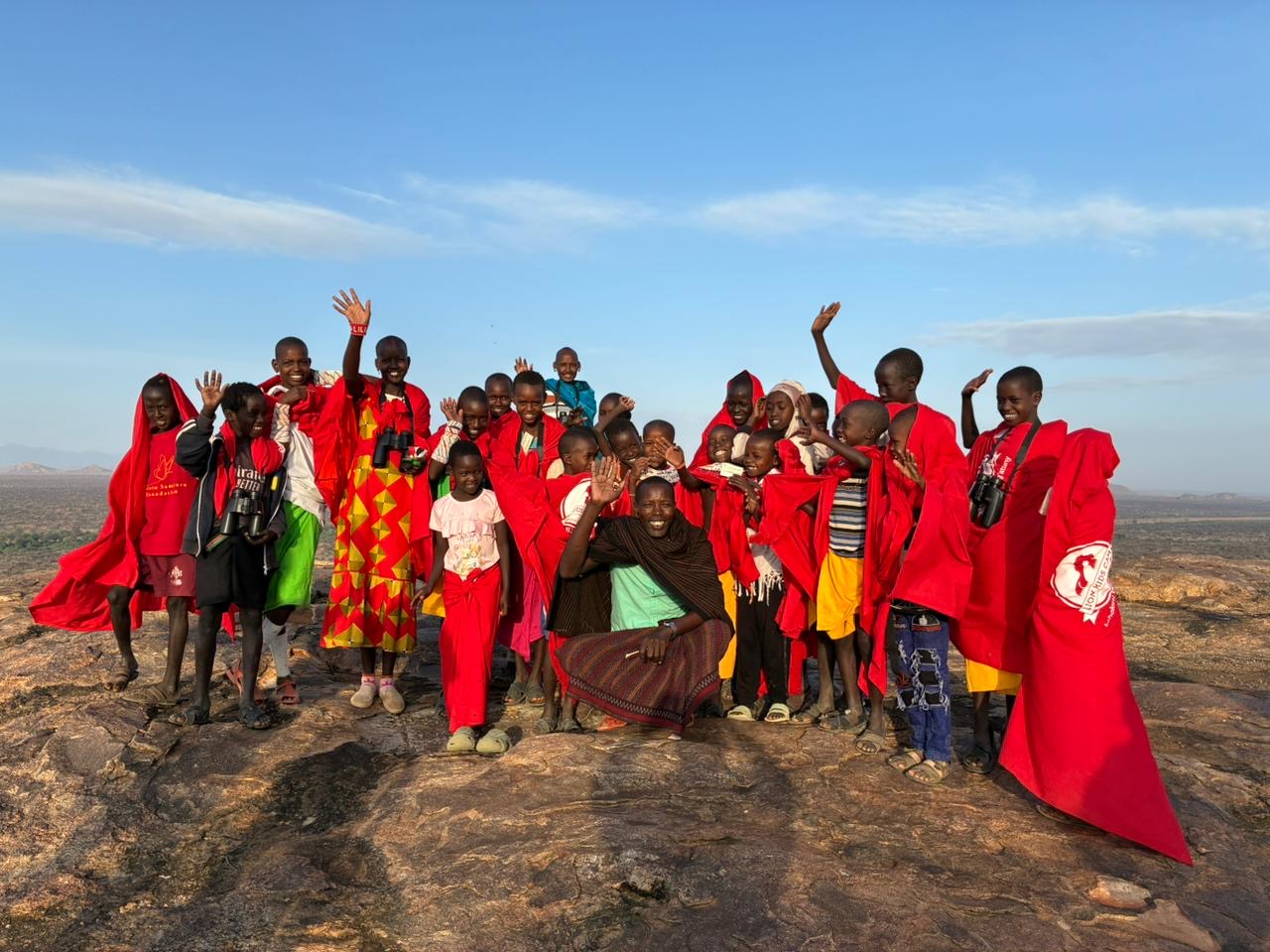
Educational programs are a cornerstone of Ewaso Lions’ impact, with the Lions Kids Camp being a standout example. This initiative fosters environmental awareness in young people. By combining wildlife education with immersive experiences, children learn the importance of the animals that share their habitat. These programs use safaris, themed games, and guided activities to engage campers. Such experiences instill a sense of pride and identity tied to the natural world. When children grasp the value of their local wildlife, conservation becomes a personal responsibility that they carry into adulthood.
The role of partnerships in conservation efforts cannot be overstated. Organizations like Zoo Atlanta play a critical part by providing necessary funding and resources. Their support for Ewaso Lions through the Mabel Dorn Reeder Conservation Endowment Fund has made a tangible difference. The grant awarded for the Lions Kids Camp illustrates the potential of philanthropic efforts in bolstering conservation initiatives. Community-driven programs funded by organizations highlight the essential connection between urban zoos and rural conservation work.
Ewaso Lions recently successfully hosted a camp for 25 children from Nasuulu Conservancy, marking a significant milestone. Participants not only learned about conservation but also had the exhilarating experience of witnessing lions in their natural habitat. Such real-world applications enhance educational outcomes and foster lasting memories that inspire greater awareness.
On a personal level, my journey began with purchasing an animal tracking bracelet from Fahlo. Initially, this was simply a means to connect with a lion I admired while contributing to conservation efforts. However, as I learned about the Ewaso Lions organization, my interest deepened. They empower community members to become advocates for wildlife by providing them with the tools necessary to protect their natural surroundings.
What stands out about Ewaso Lions is their commitment to creating local advocates for conservation. This grassroots approach ensures that community members feel a sense of ownership over their wildlife. Instead of viewing large carnivores as threats, children and adults alike come to understand their essential role in maintaining ecological balance. Such understanding is pivotal in transforming conservation narratives from exclusion to inclusion, where people coexist with nature.
Concern for the environment is increasingly becoming part of mainstream dialogue. However, conservation needs actionable efforts. Ewaso Lions demonstrates that combining education with community engagement can yield results. By inviting local youth into the previously exclusive field of wildlife conservation, they empower them to take initiative in protecting their environment. This strategy builds future leaders in conservation who will champion these efforts within their own communities.
The educational framework within which the Lions Kids Camp operates has notable implications. Integrating fun, interactive learning methods accelerates knowledge acquisition among children. The combination of adventure and education transcends traditional classroom methods, making learning memorable. Children come away from camps with not just knowledge but also enthusiasm for wildlife, which is necessary for fostering future conservationists.
Moreover, environmental education programs, particularly those like Lions Kids Camp, are supported by global conservation efforts aimed at reversing the decline of vulnerable species. By ensuring that the youth in the area grow up appreciating their ecosystem, we can shift perspectives. Fostering a culture of conservation is not only beneficial for wildlife but also vital for human communities learning to adapt to coexistence.
Given the challenges conservationists face, partnerships become essential. Ewaso Lions showcases how strategic alliances with organizations like Zoo Atlanta can enhance conservation efforts. These collaborations provide financial support and amplify outreach initiatives that resonate across multiple platforms. Each successful camp funded by these partnerships reveals pathways to more comprehensive community engagement.
As I reflect on my journey to Ewaso Lions, it is evident that meaningful connections can ignite passionate involvement in conservation efforts. From a simple bracelet purchase, the path unfolded into supporting a groundbreaking initiative. Community involvement, educational programs, and strategic partnerships represent the foundation of Ewaso Lions’ success.
Engagement is crucial in wildlife conservation. Individuals may want to immerse themselves in efforts that resonate with them personally. In this case, supporting Ewaso Lions lets people connect with their goals while positively impacting lion populations. The lion tracking bracelets available at the Zoo Atlanta Explorer Store serve both as a unique accessory and as a way to support a worthy cause.
Through these programs, we are reminded that wildlife conservation is not merely the responsibility of scientific experts but is a collective effort. Each individual’s contribution, no matter how small, plays a role in fostering a sustainable future for wildlife. The relationship between communities and wildlife is delicate, requiring understanding and proactivity.
Ewaso Lions works tirelessly to create frameworks that promote both human and wildlife wellbeing. The successes achieved in community involvement and education herald a hopeful future. The experiences shared with children participating in Lions Kids Camp signify that the next generation is equipped to tackle the challenges of wildlife conservation head-on.
The journey entails understanding the complex interactions within ecosystems and the critical roles played by each species. Equipping young people with this knowledge leads to future conservationists who will carry forward the mission of coexistence. The partnership between community members and organizations like Ewaso Lions illustrates the power of united efforts in effecting change.
This elaboration on my journey to Ewaso Lions underscores the necessity of public engagement in wildlife conservation. As we navigate the challenges of securing wildlife’s future, building bridges between local populations and wildlife will serve as the guideline for effective conservation strategies. A commitment to these initiatives can ensure that wildlife-rich environments continue to thrive for generations to come. Emphasizing education, collaboration, and community ownership are the pillars that support these undertakings.
