
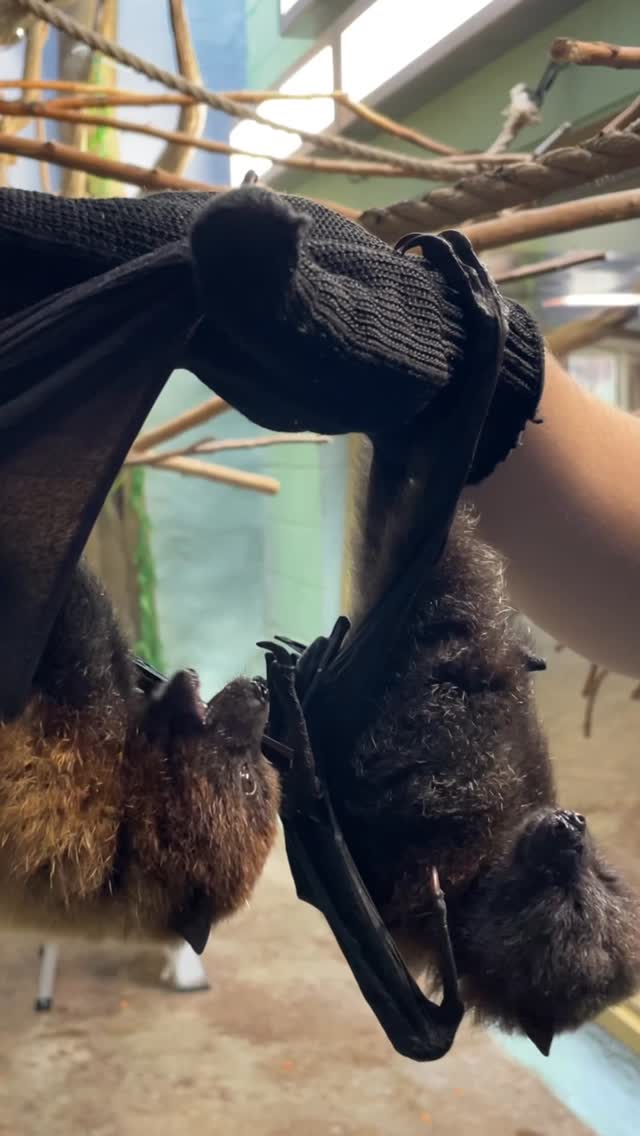
- Bats are crucial for ecosystems and agriculture.
- Common myths about bats hinder their conservation.
- Bats face numerous threats, making education vital.
- Understanding bat species promotes coexistence.
- Conservation efforts are essential for bat populations.
Bats are important contributors to health ecosystems and agriculture. These flying mammals play a crucial role in pest control, pollination, and seed dispersion. A single bat can consume up to 1,200 insects in an hour, significantly lowering pest populations that can harm crops. This natural pest control not only supports farmers but also contributes to overall biodiversity. Some bat species, particularly nectar-feeders, are essential pollinators for various plants, including fruit-bearing trees. Without bats, these systems could be adversely affected, showcasing their importance in maintaining balance in the natural world.
Despite their ecological value, bats are often victims of misunderstanding and negative stereotypes. Common myths perpetuate fear and disdain towards these creatures, leading to detrimental impacts on their conservation. For example, many people equate bats with disease, primarily due to the association with rabies. While it’s true that bats can carry this virus, the incidence of rabies in bat populations is relatively low. Additionally, human interaction with bats is rare, and the species are typically more afraid of humans than the other way around. Debunking these myths is essential to foster more positive attitudes toward bats and enhance public support for their conservation.
Bats face numerous threats in their habitats. Habitat loss due to urbanization and deforestation poses a significant challenge. Many bat species rely on specific roosting sites, such as caves and old trees, which are increasingly being destroyed. Moreover, climate change disrupts their food supply and hibernation patterns, further endangering their populations. Another significant threat to bats is white-nose syndrome, a fungal disease that has ravaged bat colonies across North America. This disease has led to substantial declines in several species, making it imperative to act on conservation efforts.
Understanding different bat species can optimize coexistence between humans and bats. There are over 1,400 bat species worldwide, showcasing a remarkable diversity. In the United States alone, there are more than 40 species, ranging from the tiny bumblebee bat to the larger fruit bats. Each species plays a distinct role in their ecosystem, adapted to specific environmental needs and behaviors. Learning about local bat species can create a greater appreciation and awareness, paving the way for community-driven conservation initiatives.
Conservation efforts are essential for bat populations facing numerous threats. These initiatives can take many forms, including habitat preservation, public education, and research. Organizations committed to bat conservation work diligently to rescue and rehabilitate injured bats and promote public understanding of their ecological importance. Education can empower communities to coexist peacefully with bats and support legislation aimed at environmental protection. Community outreach programs can build positive relationships between people and bats, ultimately benefiting both parties.
The upcoming video on the bat colony aims to educate viewers on the various species inhabiting this ecosystem. By showcasing who is who within the bat colony, viewers can gain insights into their habits, life cycles, and roles in the environment. Understanding individual species can spark interest in conservation measures even among those who previously felt indifferent toward bats. Awareness of diverse bat species reinforces the idea that their value transcends mere fear.
By tackling myths surrounding these fascinating creatures, we can cultivate a greater understanding of ecosystems. Bats aren’t just flying mammals to avoid; they are vital participants in a harmonious balance of life. As we learn more about their roles and behaviors, we can also advocate for their preservation, ensuring that future generations experience the benefits bats bring to our world.
*****
Source Description
We’re back with Keeper Amanda to dispel some myths about bats for
Join us next week as we round out the month with a video on who’s who of our bat colony!
