
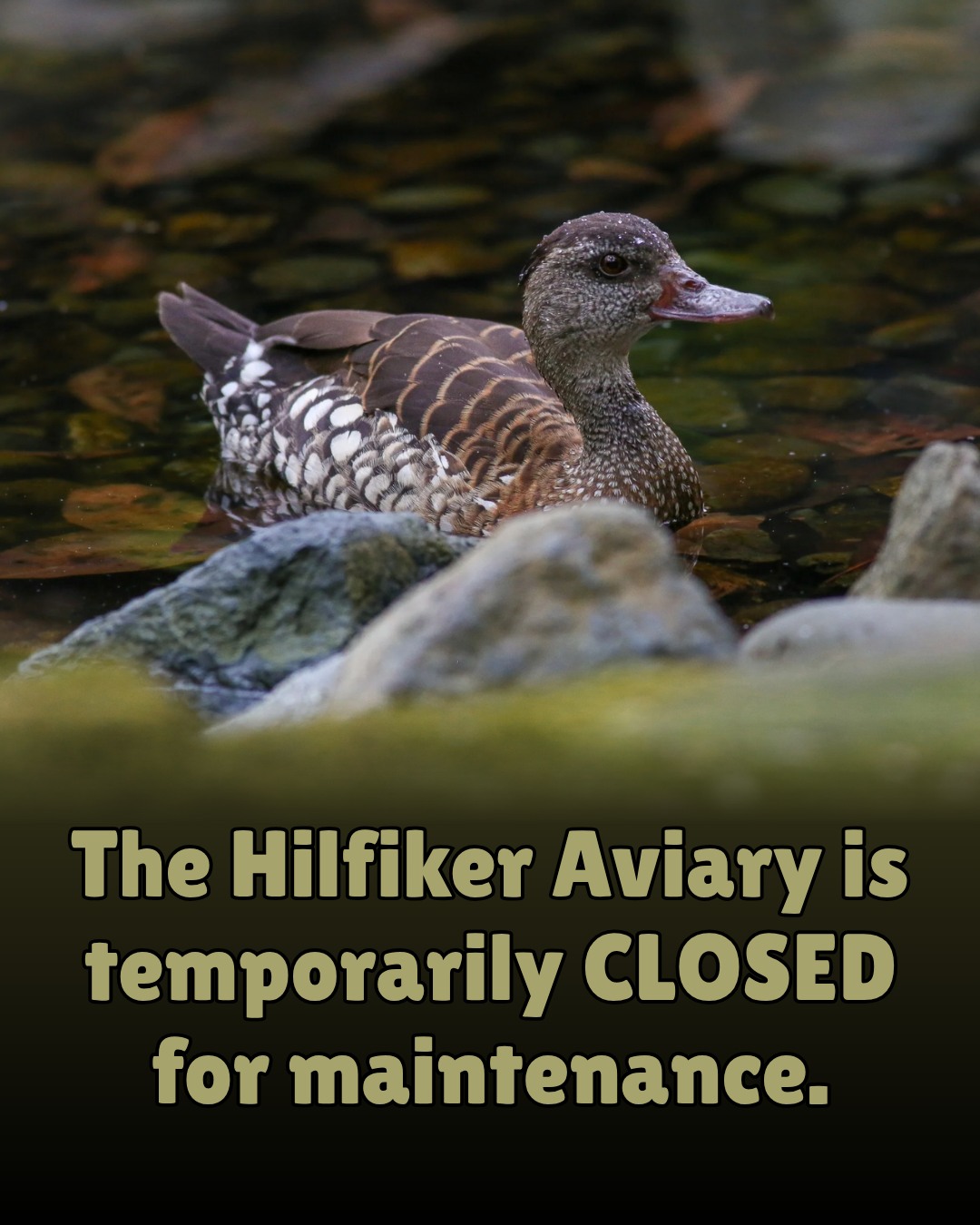
- The significance of aviary maintenance and its impact on bird welfare and public education.
- The biodiversity featured in The Nancy Hilfiker Aviary and the importance of free-flight environments.
- Alternative avian exhibits available at the zoo during the aviary’s temporary closure.
- The role of zoos in wildlife conservation and public engagement.
- Insights into the daily management and operational challenges faced by zoos.
The Nancy Hilfiker Aviary, a cornerstone of birdlife conservation, is temporarily closed for maintenance. Ensuring the safety and health of both wildlife and visitors is a top priority. Regular upkeep is crucial for maintaining high standards that guarantee a safe and enriching environment for the birds. Maintenance activities include structural inspections and habitat enhancements, which support both immediate safety and long-term welfare of the avian inhabitants.
Aviary maintenance activities might range from regular cleaning to more extensive structural assessments, aimed at ensuring robust habitats. These environments need to provide natural-like conditions promoting natural behaviors among birds. Elements such as water features, diverse plant life, and appropriate perches are evaluated and renewed as necessary. This maintains the sanctuary’s role as a living classroom where visitors can learn about avian life.
Such intervals offer opportunities to assess and refine visitor experiences too. Pathways and informational displays may be updated, making sure educational messages resonate effectively with guests of all ages and backgrounds.
Inside The Nancy Hilfiker Aviary, a stunning diversity of bird species usually thrives. Unlike traditional enclosures, free-flight aviaries allow birds to interact more freely, mimicking their natural habitats. This fosters innate behaviors such as hunting and social interaction, critical for the psychological and physical well-being of the birds. It’s an approach that bridges the gap between captivity and wild ecosystems, offering deeper insights into avian biology and ecology.
The aviary hosts species from different continents, reflecting a broad spectrum of ornithological diversity. By observing birds in such settings, visitors can appreciate not just their beauty but also their ecological roles and conservation needs. Curated habitats help emphasize interspecies dynamics. They provide a platform for studying naturalistic flight patterns, feeding behaviors, and vocalizations. Such experiential learning supports the zoo’s broader goals of promoting environmental awareness and conservation action.
Even when The Nancy Hilfiker Aviary is temporarily closed, the zoo remains a vibrant hub of avian activity. Guests can still engage with a varied selection of bird species. Flamingos captivate with their striking colors and intricate social structures. Screamers draw attention with their distinctive calls and unique anatomical features. Eagles present a view into predatory efficiency and ecological importance.
These alternative exhibits continue the mission of public education and species preservation. Flamingo colonies, for instance, reveal fascinating insights into social behaviors and adaptations to wetland environments. Eagles serve as ambassadors for raptor conservation efforts. These exhibits inform visitors about the challenges facing birds in the wild, from habitat loss to climate change.
Zoos serve pivotal roles in wildlife conservation and public engagement. Conservation programs often target endangered species, focusing on breeding, research, and reintroduction initiatives. The impact extends to fostering community involvement and inspiring the next generation of conservationists. By showcasing the world’s biodiversity, zoos enable guests to connect with nature on a personal level.
Educational outreach is an essential component. Programs and signage provide context about species characteristics, habitats, and current threats. These efforts help inculcate a conservation mindset. The inclusion of interactive elements ensures that learning is both informative and engaging, allowing visitors to leave with a deeper understanding of wildlife conservation.
Managing a zoo presents a unique set of challenges. Staff must balance animal welfare with educational and recreational objectives. This entails meticulous planning, from dietary needs to behavioral enrichment, necessitating a team of specialized professionals. The dynamic nature of zoos requires routine adaptation and innovation to keep pace with emerging knowledge in animal care and conservation science.
Operational challenges extend to logistics like crowd management and facility upkeep. Addressing these elements ensures a safe and enjoyable experience for all visitors. The complex interdependence of various zoo components highlights the necessity of cooperation, from veterinarians and curators to educators and support staff.
In conclusion, The Nancy Hilfiker Aviary’s temporary closure underscores the ongoing commitment to avian welfare and educational excellence. Even in its absence, the zoo continues to provide dynamic avian experiences and remains a beacon for conservation advocacy. Through their multifaceted roles, zoos inspire, educate, and pave the way for a more sustainable future for wildlife.
*****
Source Description
🦆 The Nancy Hilfiker Aviary is temporarily CLOSED for maintenance. We hope to reopen the free-flight aviary by the end of the week!
🦩 Guests can still visit the flamingos, screamers, eagles & other avian friends throughout the Zoo from 10:00am-6:00pm, with last entry at 5:30pm.
