
Summary of Nashville Zoo Eliminates Single-Use Plastic Water Bottles:
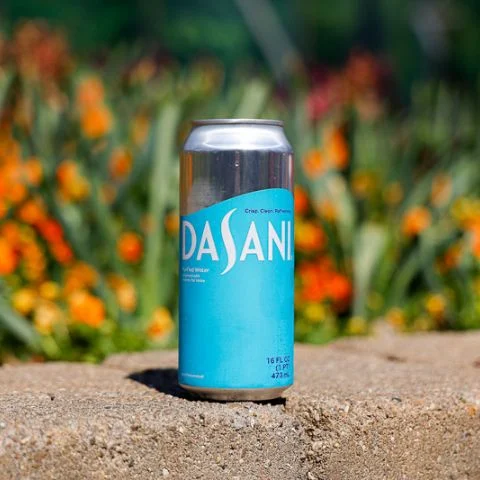
Nashville Zoo has officially eliminated single-use plastic water bottles from its beverage locations, aiming to reduce annual plastic waste by over 1 metric ton. This change will help eradicate approximately 1.1 million plastic bottles over the next decade. To replace these bottles, the zoo will offer aluminum-canned water and soda, which are more recyclable, along with fountain drinks served in paper-based cups. This initiative supports conservation efforts in Tennessee, where rivers are severely affected by plastic pollution. The zoo’s commitment to sustainability aligns with its mission to protect wildlife and natural habitats.
- Nashville Zoo’s elimination of single-use plastic water bottles and its impact on sustainability efforts.
- The global problem of plastic pollution and its local implications in Tennessee.
- The switch to aluminum cans and other eco-friendly alternatives at the Nashville Zoo.
- The significance of wildlife conservation efforts due to plastic pollution.
- How the Nashville Zoo’s initiatives support broader environmental goals.
Nashville Zoo has taken a significant step in its sustainability journey by eliminating single-use plastic water bottles from all on-site beverage locations. This measure is expected to result in the reduction of plastic waste by over 1 metric ton annually. With the high consumption of single-use plastic globally, as highlighted by the United Nations Environment Program (UNEP), this change represents a pivotal milestone for the Zoo. Reports indicate that in 2024, 117,000 plastic water bottles were sold in the Zoo, followed by further significant sales in 2025. By removing single-use water bottles, it is estimated the Zoo will prevent approximately 1.1 million bottles from entering the waste stream over the next ten years. This initiative aims to address a broader crisis in waste management and environmental health.
Plastic pollution is an urgent issue that extends far beyond the immediate vicinity of the Zoo. Worldwide, a million plastic bottles are consumed every minute. This staggering statistic sheds light on the scale of the problem. In Tennessee, the situation becomes even more grave, as studies have found alarming quantities of microplastics in local waterways. For instance, the Tennessee River has been identified as having 80% more microplastic per square meter than the Yangtze River in China, which is notorious for being a major source of river-borne plastic waste entering the ocean. Such persistent pollution threatens both aquatic and terrestrial ecosystems, affecting a wide variety of species, from fish to meandering mammals.
The Nashville Zoo’s endeavor to eliminate single-use plastic water bottles is not just a standalone initiative; it aligns closely with its mission to protect wildlife and conserve natural resources. The local crayfish and hellbender populations, both endangered species, are particularly vulnerable to changes in water quality due to pollution. Addressing plastic waste is a vital step in safeguarding these species and maintaining the health of Tennessee’s waterways. The Zoo is actively involved in promoting the conservation of these species, underlining the interconnectedness of local wildlife health and plastic pollution reduction efforts.
By replacing plastic water bottles with aluminum-canned beverages, the Nashville Zoo demonstrates its commitment to sustainability. Aluminum was chosen not just for its high recyclability, but also for its lower environmental footprint compared to single-use plastics. The recycling process for aluminum is energy-efficient, leading to significant reductions in greenhouse gas emissions when compared to producing new aluminum. Additionally, fountain beverages served in paper-based cups further lessen the reliance on single-use materials. These changes signify an ongoing move toward circular economies, where resources are continuously recycled and reused rather than discarded.
The issue of plastic pollution is multilayered and persists globally. In urban and rural areas alike, the challenge is increasingly pressing. Plastic waste is notorious for its durability, with certain forms taking hundreds of years to decompose. This extended lifespan implies that plastic debris will persist in the environment far beyond its useful life. For instance, discarded plastic bottles can break down into smaller particles known as microplastics. These tiny bits not only disrupt ecosystems but also enter the food chain, posing risks to both wildlife and human health.
Organizations like the Nashville Zoo are crucial in the battle against this pervasive issue. The Zoo’s practical measures to eliminate single-use plastic water bottles and adopt more sustainable practices resonate deeply with its commitment to conservation. Visitors can now engage more readily with the Zoo’s mission, understanding that their choices have tangible effects on environmental health. Educational programs can further empower visitors to make informed decisions about their own plastic use, whether at home, school, or in the community.
The reduction of plastic waste directly contributes to the Zoo’s overarching conservation mission, reinforcing the importance of protecting our planet’s ecosystems. The initiatives taken at Nashville Zoo send a proactive message to visitors, encouraging community involvement in sustainability efforts. This relationship between education and action is essential in raising awareness about environmental issues and fostering long-term change in consumption behaviors.
The Nashville Zoo’s efforts reflect a growing movement among organizations to analyze their environmental impact critically. Such forward-thinking actions are key to promoting sustainable tourism. By positioning itself as a leader in green initiatives, the Zoo is setting an example for other institutions to follow. The educational component of these initiatives cannot be understated; by informing guests about the harmful effects of plastic waste, the Zoo empowers individuals and communities to take action in their own spheres of influence.
The shift from single-use plastics at the Zoo connects with broader legislative trends advocating for the reduction of plastic use on multi-faceted levels, from local regulations to international agreements. Policies aimed at reducing single-use plastic in various sectors can complement the grassroots initiatives undertaken by individual organizations. This collaboration between policy and public action is essential for meaningful progress over the coming decades.
The ramifications of reducing plastic waste are far-reaching, affecting everything from local economies to global biodiversity. Communities with cleaner waterways benefit not only from improved biodiversity but also from increased recreational opportunities and economic benefits tied to ecotourism. The Nashville Zoo’s initiatives represent a blueprint that can be adapted and scaled by other institutions and municipalities, showcasing that change often starts locally before it expands regionally or nationally.
Moreover, the Nashville Zoo’s commitment aligns with global conservation efforts, specifically the United Nations Sustainable Development Goals. The eradication of single-use plastic aligns with targets focused on sustainable consumption and production patterns. By setting a precedent, the Zoo opens discussions about further initiatives and encourages allies in the conservation community to adopt similar best practices.
As visitors to Nashville Zoo explore its exhibits, they now participate in a larger movement towards sustainability, understanding that each act of choosing to forgo single-use plastic contributes to broader ecological health. Changing consumption patterns isn’t merely about product alternatives; it involves reshaping mindsets about the resources we consume daily.
In fostering a culture of sustainability, the Nashville Zoo stands out as an exemplary institution for balancing entertainment, education, and environmental stewardship. Each initiative builds upon a foundation that emphasizes the importance of conserving wildlife and natural resources while encouraging community engagement. It draws vital connections between daily habits and their long-term effects on the planet, forging a path toward a more sustainable future for all. By eliminating single-use plastic water bottles, the Zoo actively participates in a global call for change, affirming its role as stewards of the environment and champions of wildlife conservation.
