
- The significance of National Zoo Keeper Week
- Profiles of dedicated keepers at the Turtle Conservancy
- The role of zookeepers in conservation and animal care
- Education and training pathways for aspiring zookeepers
- The importance of public awareness and support for wildlife conservation
National Zoo Keeper Week, celebrated annually, is an opportunity to honor the dedicated professionals who play pivotal roles in animal care, conservation, and education. While we may not operate a traditional zoo, the work of our passionate team of keepers at the Turtle Conservancy deserves special recognition. Their commitment to animal welfare and environmental stewardship is essential to our mission.
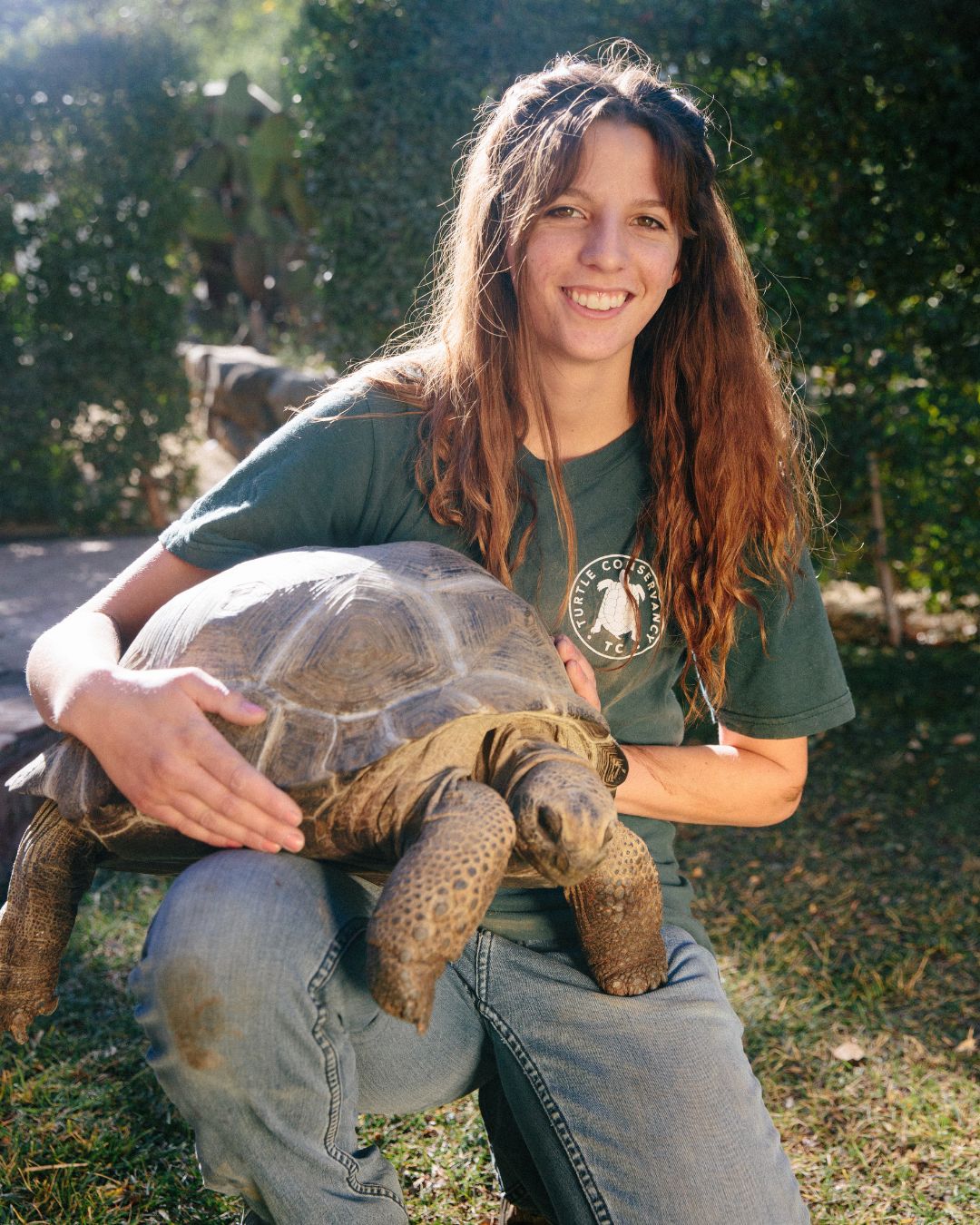
Meet Allison. She joined our team in 2024, bringing with her a degree in Exotic Animal Training and Management. In her role at the Turtle Conservancy, Allison is responsible for daily animal care, ensuring that our inhabitants receive proper nutrition, habitat enrichment, and medical attention when needed. One of her greatest joys lies in interacting with endangered species, where she focuses on creating meaningful connections. In a recent initiative, she successfully engaged visitors in a hands-on experience with one of our baby Aldabra tortoises, affectionately named Barbie. This interaction not only enhances educational outreach but also fosters empathy towards these remarkable animals, highlighting the significant role they play in our ecosystem.
Allison’s bond with the animals exemplifies the relationship zookeepers must cultivate with their charges. These strong connections allow for better observations of animal behavior and health, creating a foundation for effective care strategies. This intuitive understanding nurtured by zookeepers is crucial for the well-being of wildlife, particularly endangered species facing threats from habitat loss and climate change.
Next, we have Christian, who joined our team as a keeper early last summer. With an abiding love for reptiles since childhood, his passion significantly influences his work at the Turtle Conservancy. Among Christian’s main responsibilities are ensuring proper nutrition and managing our nursery babies, focusing on the growth and development of young reptiles. His favorite species, the ploughshare tortoise, has become a focal point of his work. Christian’s care includes not only diet and habitat management but also health monitoring critical for species conservation.
The ploughshare tortoise, critically endangered in its native Madagascar, faces significant threats from poaching and habitat destruction. Through Christian’s diligent care and the breeding program at the Turtle Conservancy, we aim to raise public awareness about the need for protection and sustainable practices that safeguard these tortoises. Zookeepers like Christian are integral in educating the public about the challenges these animals face, while also actively participating in global conservation efforts.
Armando, our Head Keeper, has been with the Turtle Conservancy since its founding in 2005. With two decades of experience in turtle husbandry, his background provides invaluable leadership and expertise in animal care. Armando leads critical breeding programs aimed at restoring the populations of various turtle species. His long history dedicated to these reptiles allows him to offer insights into their behaviors and needs, enhancing our conservation strategies.
Under Armando’s guidance, not only do we see success in breeding programs, but we also participate in larger conservation initiatives that foster global partnerships. The expertise of experienced keepers is essential in creating and maintaining breeding programs that align with conservation goals. By carefully selecting breeding pairs, monitoring genetic diversity, and understanding the specific care requirements of different species, keepers like Armando play critical roles in preserving biodiversity.
Zookeepers engage in ongoing education and training, which is vital for maintaining best practices in animal care and conservation. For those aspiring to enter this field, a background in biology, zoology, or a related area is essential. Additionally, many institutions offer specialized programs in animal care, training, and management. Internships and volunteer opportunities provide practical experience that can enhance technical knowledge and skills.
The pathway to becoming a zookeeper often includes formal education combined with hands-on experience. Programs may focus on animal behavior, habitat management, veterinary assistance, and the psychology of both captive and wild animals. As the world evolves, new methods and understandings come into play. Continuous education enables zookeepers to adapt and implement the most effective strategies in animal care.
Public awareness and support for wildlife conservation are also critical for success. Zookeepers often serve as the face of animal care facilities, engaging with visitors and sharing stories about the animals in their charge. By promoting educational programs and outreach initiatives, zookeepers play a vital role in fostering a sense of responsibility among the public. This engagement can lead to increased support for conservation efforts and the necessity of protecting natural habitats.
Organizations like the Turtle Conservancy depend on public interest and participation for their work. Through interactive exhibits, behind-the-scenes programs, and outreach events, zookeepers help bridge the gap between wildlife and the community. By raising awareness about endangered species and the importance of conservation, they inspire collective action.
The dedication of zookeepers encompasses a variety of tasks—feeding, cleaning, habitat enrichment, medical monitoring, and, importantly, advocacy. Their comprehensive skill set allows them to tackle the challenges faced by both captive and wild populations. It reflects the commitment necessary to effectively oversee animal populations and engage in vital conservation work aimed at creating a better future for wildlife.
During National Zoo Keeper Week, we celebrate the indispensable contributions of our dedicated caretakers. The synergy of their efforts in animal husbandry, conservation, and public engagement exemplifies the essence of wildlife preservation. Each member of our team plays a vital role in promoting the welfare and protection of the animals entrusted to them. Their insights and skill sets combine to formulate a holistic approach to animal care and conservation.
As we observe this special week, it’s important for everyone to recognize the essential work behind the scenes in wildlife facilities. The challenges facing animal populations require collective actions, and the well-being of our planet depends on awareness and respect for all living beings. The diligent care provided by zookeepers not only supports individual species but also fosters a broader understanding of ecological balance.
By highlighting the incredible dedication and hard work of zookeepers like Allison, Christian, and Armando, we instill a sense of appreciation and understanding in our community. Their stories reflect the passion that drives conservation efforts and the intricate relationships formed between humans and wildlife. Through educational initiatives and collaborative efforts, we hope to inspire future generations to join the cause of conservation and become stewards of our planet.
National Zoo Keeper Week serves as a reminder of the vital contributions made by zookeepers, leaning towards the broader goals of wildlife conservation and education. As we celebrate, let us come together to support the continued work in protecting our precious wildlife and preserving our natural world for future generations.
*****
Source Description
Today marks the start of National Zoo Keeper Week 🦎
While we are not a zoo, we still want to thank our passionate and dedicated keepers. (Part 01)
⭐️ Meet Allison! She joined our team in 2024 with a degree in Exotic Animal Training and Management. At the TC, she’s responsible for daily animal care and especially loves interacting with endangered species in ways that make a meaningful impact. Here, she is holding one of our baby aldabras, Barbie!
⭐️ Meet Christian! He’s been a keeper here since early last summer and has had a passion for reptiles since childhood. His main responsibilities at the TC include nutrition, serving as the primary keeper of our nursery babies, and caring for his favorite species- the ploughshare tortoise (pictured here).
⭐️ Meet Armando! He has been involved with the Turtle Conservancy since its founding in 2005. With twenty years of experience working alongside turtles big and small, his role as Head Keeper has led to the successful breeding of multiple species as part of our conservation efforts.
