
- The role of zookeepers as wildlife warriors focused on conservation and education
- Lindsey’s journey as a zookeeper and her connection to wildlife
- The educational pathways and experiences that can lead to a career in zookeeping
- The importance of public engagement and guest inspiration in zoos
- Conservation efforts initiated by zoos and their impact on wildlife preservation
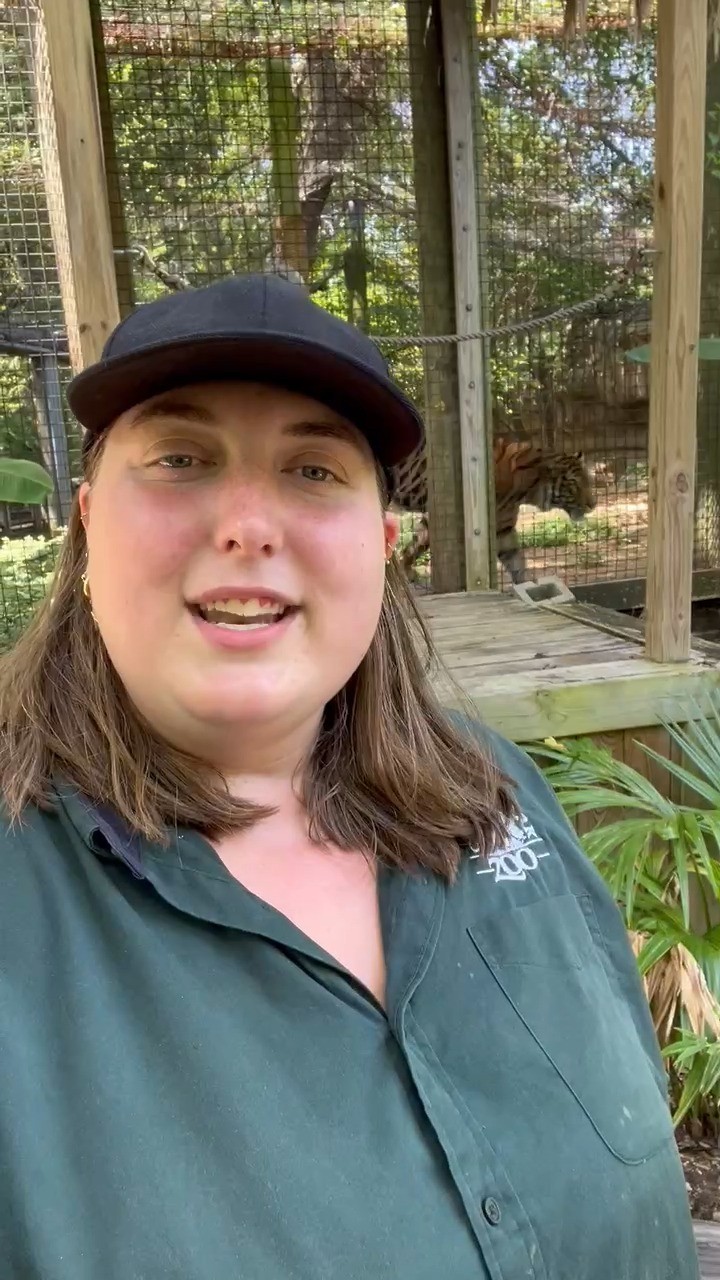
National Zookeeper Week highlights the contributions of zookeepers as dedicated wildlife warriors, emphasizing their critical role in animal care, guest inspiration, and daily conservation efforts. Zookeepers like Lindsey from Fort Worth exemplify this commitment. With a Bachelor’s degree in Biology from Texas A&M University, Lindsey has spent over four years at Cameron Park Zoo. Her passion for wildlife management is matched by her enthusiasm for personal interests, like collecting vinyl records and completing a collection of original Queen albums. Lindsey’s story reflects the dedication that characterizes many zookeepers today.
Zookeepers play a crucial role in wildlife conservation. They are responsible for the daily care and well-being of animals, ensuring that their physical, social, and psychological needs are met. This goes beyond basic feeding and cleaning chores; it involves creating enriching environments that simulate the animals’ native habitats. For instance, zookeepers strategically incorporate elements like climbing structures for primates or water features for aquatic species. This not only supports animal health but also allows them to engage in natural behaviors, ultimately promoting species well-being.
Another integral aspect of a zookeeper’s work is education. Zookeepers often serve as ambassadors for the wildlife they care for, sharing knowledge with visitors about species’ natural behaviors, habitats, and conservation status. They conduct educational sessions and demonstrations, making complex topics accessible and engaging for people of all ages. By helping the public understand the threats facing various species—like habitat loss, poaching, and climate change—zookeepers foster a sense of responsibility toward wildlife and encourage community involvement in conservation efforts.
Lindsey’s journey into zookeeping illustrates the educational pathways available to aspiring wildlife professionals. Many positions in zoos require a solid foundation in biological sciences, with a number of programs specializing in zoo management, wildlife rehabilitation, and animal science. Internships and volunteer opportunities at local zoos can also be transformative experiences, providing hands-on training and a glimpse into daily responsibilities. For Lindsey, her education equipped her with the scientific knowledge necessary for animal care, while her hands-on experiences allowed for practical applications of that knowledge.
Public engagement is a cornerstone of successful zoos. Through compelling storytelling and interactive exhibits, zookeepers can inspire guests to care about wildlife. This inspiration often translates into action, motivating visitors to support conservation endeavors, whether by participating in local clean-up events, advocating for environmental policies, or supporting wildlife organizations. Lindsey’s role extends into this domain as she engages with visitors to create connections between them and the animals they admire.
Moreover, zoos have become pivotal players in global conservation efforts. They serve as sanctuaries for endangered species and collaborate with international organizations aimed at preserving biodiversity. Lindsey and her fellow zookeepers may participate in breeding programs for endangered species, helping sustain populations that are often declining in the wild. For example, modern zoos frequently engage in Species Survival Plans (SSPs), which involve carefully managed breeding with the goal of long-term viability of species facing extinction.
The stories behind these efforts are poignant and significant. Lindsey has likely witnessed firsthand the joy and challenges that come with caring for animals that are part of these initiatives. She and her colleagues not only provide direct care but also assist in research efforts aimed at better understanding animal behavior and health, which can in turn aid conservation tactics in the wild.
As guests visit zoos, they are treated not only to a view of exotic animals but also to an opportunity to learn about pressing conservation issues. Zookeepers like Lindsey serve as vital links, articulating the importance of habitat preservation, anti-poaching efforts, and species recovery initiatives. Their dedication brings awareness to the fact that the survival of various species depends significantly on human action. By fostering emotional connections and understanding, zookeepers influence public perceptions and encourage more sustainable behaviors in everyday life.
Educational outreach extends beyond the zoo grounds as well. Many facilities engage in community programs that promote wildlife education and conservation practices in local environments. Zookeepers may visit schools or community centers to conduct workshops or presentations, discussing the ecosystems that various animals are part of and the significant role those animals play in biodiversity.
Such outreach underscores the idea that conservation is not limited to distant rainforests or oceans; local ecosystems are equally important in maintaining the overall health of the planet. Lindsey’s educational initiatives and experiences in her role allow her to demonstrate this connection, showing guests that protecting wildlife involves active participation on both local and global levels.
Furthermore, it’s important to consider the emotional resilience required of zookeepers as they navigate the diverse challenges of their profession. Working closely with animals offers rich rewards, but it can also be emotionally taxing. Zookeepers witness the fragility of wildlife firsthand, including the impacts of disease, injury, and in some cases, loss. Despite these hardships, the prospect of positive outcomes serves as a driving force. Each successful breeding, rehabilitation, or successful educational program reinforces their commitment to wildlife conservation.
Therefore, National Zookeeper Week serves as a platform to recognize and appreciate the vital work that zookeepers like Lindsey do every day. It emphasizes their role beyond animal caretakers; they are educators, advocates, and frontline soldiers in the battle against wildlife extinction. Lindsey’s passion for animals and conservation echoes the sentiments of her peers, drawing attention to the collaborative nature of wildlife management.
In addition to facing challenges, zookeepers embrace opportunities to innovate and improve animal welfare. Advances in technology have introduced new tools and methods for monitoring animal health and behavior, enhancing training techniques, and measuring the effectiveness of enrichment programs. These developments have allowed zookeepers to approach their work with greater scientific understanding, contributing positively to the lives of the animals in their care.
National Zookeeper Week not only celebrates the individual stories of zookeepers, such as Lindsey’s, but also highlights the shared mission of wildlife warriors dedicated to education, advocacy, and conservation. Each zookeeper plays a part in a global endeavor to protect animals and their habitats, and their tireless work paves the way for future generations to appreciate the beauty of wildlife.
As we move forward, the importance of supporting our zookeepers remains clear. They symbolize hope and action in an era where wildlife conservation is critical for the sustainability of planetary health. Acknowledging their efforts during National Zookeeper Week offers an opportunity to reflect on how we can support their work, whether through education, community involvement, or advocacy for policies that protect wildlife habitats. Such engagements play a vital role in fostering a culture of conservation that benefits all species and preserves the planet for years to come.
*****
Source Description
National Zookeeper Week – Day Five
Zookeepers are wildlife warriors—dedicated to caring for animals, inspiring guests, and making conservation happen every day. This week, in honor of National Zookeeper Week, we’re highlighting a few of the amazing individuals who volunteered to share their stories—featured here and @zoos_aquariums. Meet Lindsey who is from Fort Worth and graduated from Texas A&M University with a B.S. of Biology. Lindsey has been at Cameron Park Zoo a little over 4 years. She loves to collect vinyl records and is currently on the hunt to complete her collection of original Queen albums.📀
