
- Co-parenting dynamics in animal species, particularly otters
- The challenges of establishing social structures within new families
- The role of bonding in juvenile development
- Conservation efforts related to aquatic mammals
- Implications for zoo management and natural habitats
Co-parenting among animals can significantly vary across species, with some demonstrating complex familial bonds. Otters, specifically, present a fascinating case study. These aquatic mammals are known for their playful nature and social structures. However, establishing a new family unit often comes with considerable challenges, both for the adults and their young.
When a new otter family is formed, whether in the wild or in captivity, the process of co-parenting begins. The adults must learn to cooperate in raising the young, which can prove difficult as each individual has its own behavior patterns and preferences. The dynamics between adult otters often dictate the success of rearing the young. In many instances, cooperation leads to better protection and more efficient teaching of essential survival skills to juvenile otters.
One key aspect of co-parenting in otters is the establishment of social hierarchies. Adult otters often exhibit territorial behaviors, which can complicate the rearing process. A new otter family may necessitate the negotiation of roles within the group. For instance, the primary caregiver may change depending on who displays more nurturing behaviors. This can lead to situations where the young are exposed to varying parenting styles, thereby affecting their overall development.
Bonding plays a crucial role in the co-parenting process. For otters, physical interactions such as grooming and play are essential for building social connections. These interactions promote trust and strengthen the familial unit. The first few weeks after the birth of otter pups are particularly critical. During this time, both parents and other family members engage in bond-forming activities that foster a sense of security. This bonding time is essential for the juveniles to learn social norms, play behavior, and important survival skills such as foraging and swimming.
Bonding is not just limited to the parents, but also extends to other family members, like siblings or kin from extended family groups. Sibling interactions can significantly influence the learning curve for young otters. They play with each other, which builds physical skills and helps them understand social cues better. The role of these interactions should not be underestimated; they are crucial for the overall success of the family unit.
In addition to social and behavioral dynamics, there is a broader context of conservation that cannot be overlooked. Otters are often indicators of healthy aquatic ecosystems, and their well-being reflects the state of their environment. When families struggle, it often highlights underlying issues in their habitat, such as pollution or depletion of natural resources. Conservation efforts aim to maintain otter populations while ensuring that their habitats remain intact. Initiatives often focus on habitat restoration and promoting better practices to prevent pollution, thereby creating a sustainable environment for all aquatic mammals.
Zoo management also plays a vital role in co-parenting dynamics. In controlled environments, zookeepers can closely monitor interactions among otter families. They may need to create conditions that replicate natural social structures to facilitate bonding and co-parenting. This could involve forming small groups to mimic family units or providing enrichment activities that promote natural behaviors. Zookeepers often undergo training to understand otter behaviors better and apply this knowledge to enhance their well-being.
Establishing co-parenting strategies in captivity can also mitigate the impact of human intervention. For instance, if a mother otter is unable to bond with her young due to stress or trauma, zookeepers can step in to provide resources or foster caregiving roles among other otters. This is particularly important when considering that animal stress can lead to significant behavioral issues.
Education plays a central role in changing societal perceptions about otters and their environments. Many conservation programs emphasize the importance of understanding the habitat needs of otters and the delicate ecosystems they inhabit. By fostering a connection between people and these ecosystems, these programs aim to stimulate interest and engagement in local wildlife conservation efforts.
Outreach initiatives often educate the public about how everyday activities impact aquatic habitats. Simple acts like reducing plastic waste can tremendously benefit otters and other wildlife. Additionally, schools frequently partner with local zoos and wildlife organizations to create awareness about fostering a healthy relationship between humans and wildlife.
Co-parenting, while challenging, also serves as a model for understanding broader ecological interactions. The dynamics of otter families can shed light on the nuances of social behavior in other animal species. By studying otters, researchers can develop a more comprehensive understanding of social structures, behaviors, and conservation needs across the animal kingdom.
Furthermore, co-parenting among otters correlates closely with conservation strategies. Effective management of otter populations relies on understanding their social and familial interactions. It encourages proactive steps to monitor populations and manage habitats. Extrapolating lessons from otters can guide conservation efforts in various contexts, creating more robust strategies tailored to specific species needs.
In summary, the challenges of co-parenting in otters encapsulate themes of social dynamics, bonding, and conservation. Researchers and zookeepers strive to understand these complex behaviors in hopes of ensuring the future of otter populations. Successful co-parenting not only supports the survival of individual families but also contributes to the overall health of aquatic ecosystems. By fostering stronger connections between human activities and wildlife needs, conservation efforts have the potential to thrive, highlighting the importance of empathy and engagement with our natural world.
*****
Source Description
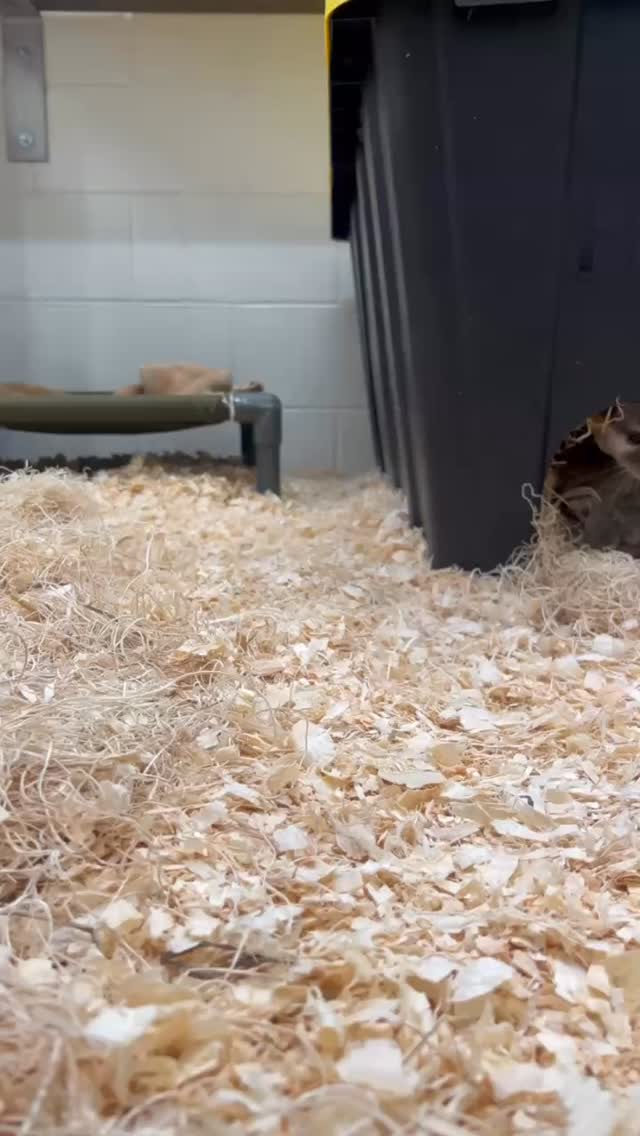
Co-parenting can be a challenge.😆
The new otter family is still bonding behind the scenes!
