
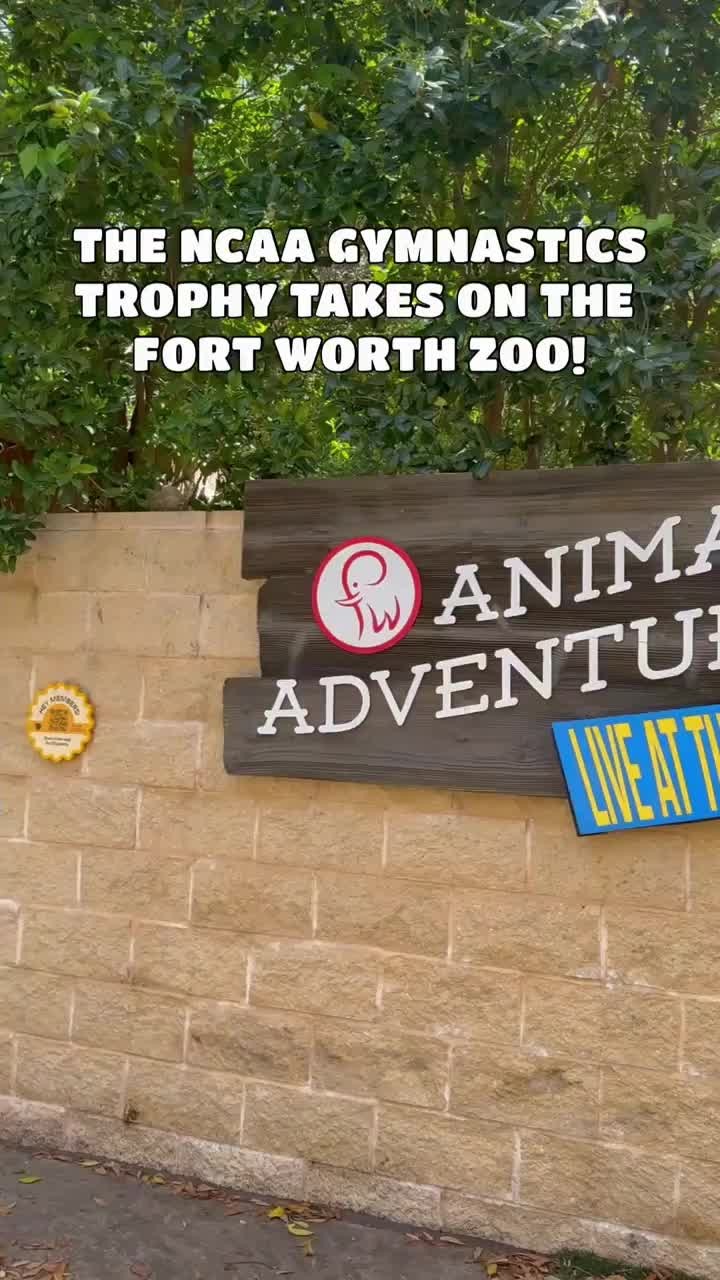
- The NCAA Women’s Gymnastics Championship Trophy’s tour of the Fort Worth Zoo.
- The importance of zoos in wildlife conservation and education.
- A closer look at the animals at the zoo, highlighting their unique characteristics and habitats.
- The connection between sports and wildlife conservation.
- How visiting the zoo enhances appreciation for wildlife.
The NCAA Women’s Gymnastics Championship Trophy recently showcased its glittering presence at the Fort Worth Zoo, creating excitement among sports fans and animal lovers alike. This event aimed to celebrate not just athletic achievement but also to promote the understanding of wildlife and conservation. As the trophy made its rounds in various exhibits, visitors had the opportunity to interact with both the sport and nature, highlighting the interconnectedness between athletic prowess and environmental stewardship.
Zoos play a significant role in wildlife conservation. Unlike in the past, when many zoos focused primarily on entertainment, modern facilities prioritize education, research, and conservation. By providing a platform for public engagement, zoos draw attention to endangered species and ecology issues. The Fort Worth Zoo, accredited by the Association of Zoos and Aquariums (AZA), offers a range of programs designed to educate the public about its residents, their natural habitats, and the challenges they face in the wild. Each ticket sold, including those for this special event with the trophy, aids in conservation efforts.
The Fort Worth Zoo is home to a diverse collection of species. From the playful antics of primates to the majestic presence of big cats, each animal captivates visitors in its unique way. The zoo features various environments which mimic natural habitats, allowing animals to express natural behaviors. For example, the giraffes can often be seen reaching for leaves high in the trees, demonstrating adaptations that have evolved in the wild.
Among the crowd-favorite animals at the Fort Worth Zoo is the Chilean flamingo. This species is distinguished by its stunning pink feathers, a result of their diet, which is rich in carotenoids sourced from algae and crustaceans. Flamingos engage in unique social behaviors, often forming large colonies. At the zoo, visitors can observe their communal feeding techniques and intricate mating dances. Such displays not only engage the public but also serve to educate them about the importance of social structures in wildlife.
While exploring the exhibits, it is easy to see how zoo experiences link to broader conservation messages. The trophy tour encouraged discussion about various aspects of wildlife, reflected in the vigor and dedication displayed by gymnasts. They, too, exhibit perseverance, training for years to achieve their goals, much like the ongoing efforts to protect species that are on the brink of extinction.
Connecting sports and wildlife can foster a sense of responsibility and engagement within communities. Gymnastics, as a sport, emphasizes discipline and balance, traits evident in many animal behaviors documented in nature. Whether it’s the precision of a gymnast executing a floor routine or a tiger stalking its prey, both demonstrate the beauty and art of movement. This parallel can inspire individuals to appreciate nature’s own athletes and become champions for wildlife conservation.
An important aspect of visiting zoos, especially during special events like the NCAA Women’s Gymnastics Championship Trophy’s tour, is the educational component. Interactive exhibits allow attendees, especially children, to engage with the animals and learn about their habitats and ways to protect them. Programs are designed not just to inform but to inspire action, whether through direct involvement in conservation initiatives or daily lifestyle changes that benefit the environment.
The Fort Worth Zoo does extensive work with various organizations to promote conservation efforts both locally and globally. By participating in breeding programs and reintroducing endangered species into their natural habitats, zoos contribute significantly to biodiversity preservation. These practices are often supported by the very events that bring people to the zoo, like the recent trophy tour. Each ticket sold translates into funds that support these initiatives, making each visit impactful.
Moreover, the trophy’s presence at the zoo highlighted the synergy of community engagement through sports and wildlife advocacy. Visitors may have arrived to celebrate athletic achievements, but they left with a deeper awareness of the importance of wildlife conservation. This lays the groundwork for future generations who will value both athleticism and nature, creating a cultural shift towards greater environmental consciousness.
Children at the zoo during the trophy tour shared their favorite animals, ranging from the amusing capuchin monkeys to the elegant flamingos. Engaging young minds in this way fosters a sense of wonder about the natural world. In turn, these experiences help to cultivate future advocates for wildlife conservation. A love for animals formed at an early age can translate into lifelong support for protecting habitats and species.
The physical design of zoos also plays a role in promoting conservation education. The layout at Fort Worth Zoo engages visitors with visual displays and information that is easy to understand. Well-labeled habitats demonstrate various ecosystems, showing how each animal fits into its food web, and illustrating the delicate balance of nature. Through interactive exhibits, people learn about biodiversity and its critical role in maintaining healthy ecosystems.
As part of modernization efforts, the Fort Worth Zoo continues to evolve, incorporating advanced methods in animal care, research, and public engagement. Recent initiatives include sustainability practices aimed at reducing the ecological footprint of the zoo itself. From energy-efficient buildings to water conservation measures, the zoo sets a model for how institutions can prioritize the environment while fulfilling their educational missions.
In addition to direct conservation work, partnerships with universities and research institutions promote science and technology in wildlife management. The integration of these aspects into zoo operations is increasingly vital. Not only do zoos serve as an immediate link for people to connect with nature, but they also function as research hubs that can influence wildlife policies and practices on a global scale.
Attending events like the one featuring the NCAA Women’s Gymnastics Championship Trophy encourages a celebration of both sports and nature. It allows communities to come together, sharing experiences that foster a love for both athletic excellence and wildlife appreciation. Families participate in discussions, connect with each other, and take away valuable lessons on human responsibility towards the planet.
In summary, the visit of the NCAA Women’s Gymnastics Championship Trophy to the Fort Worth Zoo represents much more than a mere exhibition of athletic achievement. It symbolizes a blending of sports culture with the pressing mission of wildlife conservation. Each interaction within the zoo enlightens visitors on the importance of protecting the diverse species that inhabit our planet.
The trophy tour reminds us of the shared values inherent in both sports and conservation: dedication, teamwork, and the pursuit of excellence. Each time a visitor researches an animal’s habitat, participates in conservation programs, or simply expresses awe at the beauty of wildlife, they become ambassadors for the planet. In doing so, they contribute to a larger movement dedicated to ensuring that future generations inherit a world rich in biodiversity.
*****
Source Description
The NCAA Women’s Gymnastics Championship Trophy took a tour of the Fort Worth Zoo! 🏆
Which animal was your favorite? 🐒
🎟️ Grab your tickets to see champions crowned at the box office or Ticketmaster.com.
