
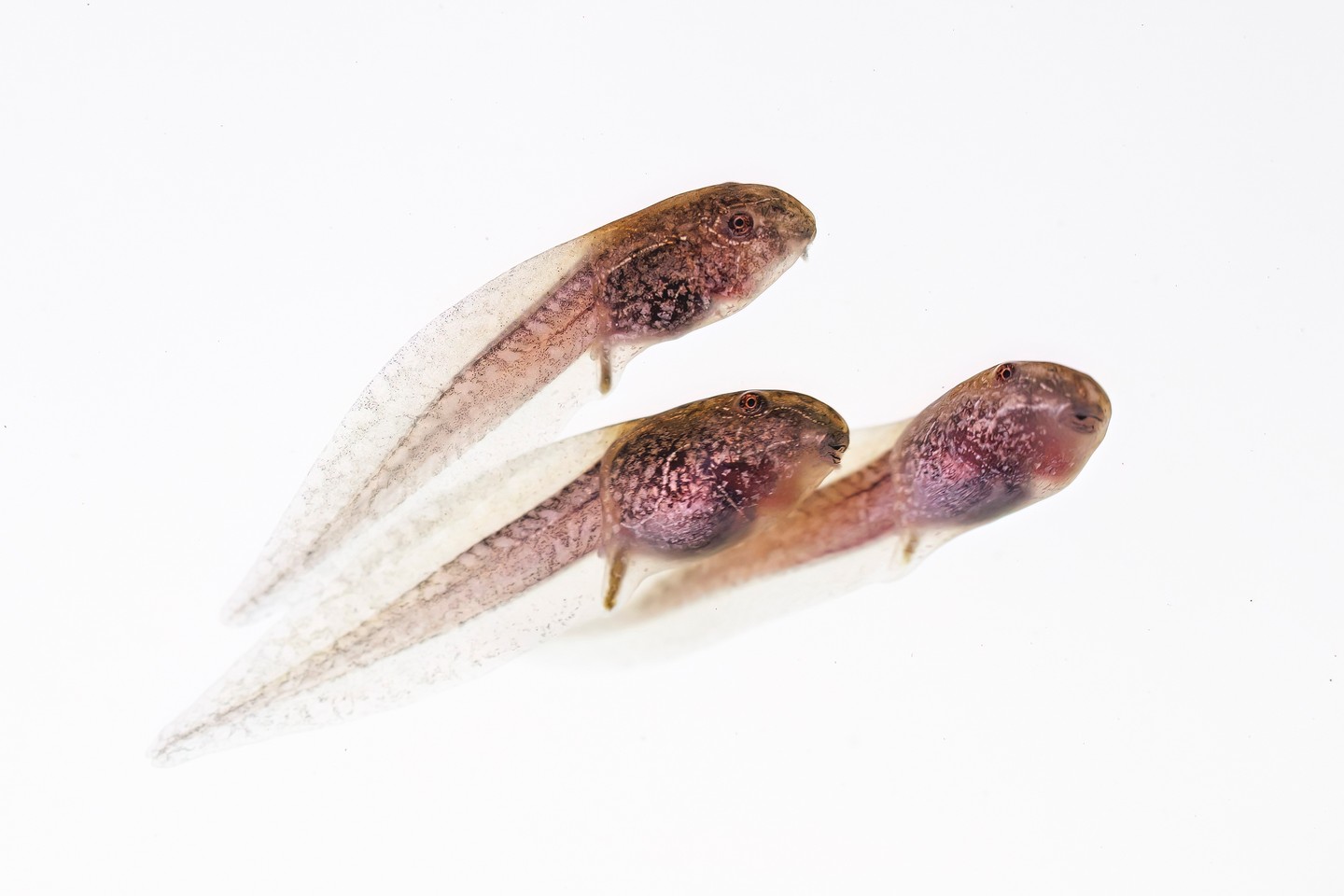
- Almost 600 California red-legged frog tadpoles successfully released into the wild
- The response to adverse weather events and their impact on the species’ lifecycle
- The collaboration between the National Park Service and the Aquarium of the Pacific
- Status of the California red-legged frog within conservation efforts and legislation
- Importance of habitat restoration and long-term monitoring for species recovery
The successful release of nearly 600 California red-legged frog tadpoles into streams within the Santa Monica Mountains marks a significant event in the conservation of this species. Once believed to be extinct in this area, the release represents not just a revival of a historic population but also a beacon of hope for the future.
The journey of these tadpoles began in March 2025. California experienced extreme late-winter storms that created havoc in the local ecosystems. These storms disrupted fragile egg masses of the California red-legged frog, which were typically laid in streams and ponds. Recognizing the urgency of the situation, biologists from the National Park Service (NPS) sprang into action. They collected the vulnerable eggs from various sites in the mountains and transported them to the Aquarium of the Pacific in Long Beach, California.
Once at the aquarium, these eggs underwent a transformation. The staff at the aquarium nurtured the eggs with an emphasis on health and sustainability. The tadpoles thrived under controlled conditions, growing and developing until they were ready to be released. This process highlighted the importance of human intervention in preserving delicate wildlife under extreme environmental conditions.
The collaboration between the NPS and the Aquarium of the Pacific underscores the innovative approaches being employed in conservation efforts. This partnership is emblematic of a decade-long mission to reestablish self-sustaining populations of the California red-legged frog (Rana draytonii). This species holds the federal designation of “threatened” under the Endangered Species Act, and it is also recognized as a “Species of Special Concern” at the state level. The national and state classifications indicate an urgent need for effective conservation strategies.
The California red-legged frog once thrived in wetlands and riparian habitats throughout California, making it a central figure in its ecosystem. However, numerous factors, including habitat destruction, invasive species, and climate change, have led to dramatic declines in population numbers. The storms that occurred in early 2025 were the tipping point for many of the existing vulnerable populations. Recognizing the ripple effects of such environmental stressors is crucial for professionals working in wildlife management.
Habitat restoration is a key part of what makes these conservation efforts viable in the long term. This is particularly true for species like the California red-legged frog, which relies on specific wetlands and vegetation for breeding, feeding, and shelter. Collaborations like the one between the NPS and the aquarium facilitate habitat assessments, ensuring that released tadpoles transition successfully into their natural environments.
Monitoring is another essential aspect of this initiative. Once released, the topography and climate conditions in the Santa Monica Mountains pose both challenges and opportunities for these newly introduced tadpoles. Regular monitoring of their populations will provide critical data on their adaptation to their native ecosystems, which is necessary for informed conservation planning.
The California red-legged frog is an amphibian with a distinctive appearance. Adults showcase a robust, rounded body that can vary from olive green to brown, often featuring dark spots. Their size ranges from 3 to 5 inches long, depending on their age and environment. Unlike many other frogs, they are inhabiting lowland areas and are particularly fond of still waters, such as ponds and marshes. Ensuring the preservation of these ecosystems is indispensable for their survival.
The legal framework surrounding these frogs highlights the significance of protecting not just the species itself, but also its habitat. The presence of the California red-legged frog serves as an indicator of ecosystem health—healthy populations reflect balanced habitats that support various wildlife. Conservationists are keenly aware that safeguarding these frogs will not only help them flourish but also bolster the ecosystems they inhabit, ultimately supporting other species and broader biodiversity.
Moreover, educating the public about the importance of the California red-legged frog contributes to the overall conservation ethos. By raising awareness, individuals become involved stakeholders in the effort to protect local ecosystems. This knowledge empowers communities to make informed choices regarding water usage, land development, and gardening practices that promote local wildlife.
The success of this specific project serves as a reminder that effective wildlife conservation demands a blend of science, community engagement, and robust policy measures. Organizations like the NPS and the Aquarium of the Pacific are setting a standard for collaborative conservation efforts that can serve as models for other regions and species at risk.
Translating science into practice involves facing numerous challenges. Unknown factors can emerge during the release and monitoring phases, such as predation and competition from other wildlife, as well as broader environmental changes. Therefore, concerted efforts must be directed toward creating holistic, sustainable frameworks that account for these variables.
In summary, the story of the 600 California red-legged frog tadpoles released into the wild encapsulates the intricate interactions between species, habitats, and human activity. The journey from egg collection to successful release illustrates the tenacity required in modern wildlife conservation. It fosters hope for not just the future of the California red-legged frog, but also for the resilience of ecosystems across the state and beyond.
These concerted efforts demonstrate how critical it is to prioritize biodiversity. As human activities continue to influence natural environments, a committed focus on conservation initiatives will become increasingly vital.
Each success story, much like this one, serves to inspire ongoing research and management efforts. Education and engagement will continue to be important allies in this fight for preservation. Future generations deserve a thriving California red-legged frog population, and proactive initiatives will pave the way forward. The continuing collaboration between expertise and community engagement will ultimately be key in ensuring a brighter future for this species and its habitat.
*****
Source Description
Almost 600 California red-legged frog tadpoles, hatched and raised by @AquariumPacific biologists, are now swimming free in streams located in the Santa Monica Mountains, marking a hopeful milestone for a species once thought to be extinct in the area.
The tadpoles were rescued in March 2025 as part of an emergency response to extreme late-winter storms that disrupted fragile red-legged frog egg masses laid in streams and ponds throughout the mountains.
National Park Service (NPS) biologists collected the vulnerable eggs and transported them to the non-profit Aquarium of the Pacific in Long Beach, California, where staff hatched and nurtured them into healthy tadpoles over the spring.
This collaboration between the Aquarium and NPS is the latest effort in a decade-long mission to reestablish self-sustaining populations of California red-legged frog (Rana draytonii), a federally threatened species under the Endangered Species Act and a state Species of Special Concern. Learn more at the link in our bio.
📷: 1. Robin Riggs; 2. National Park Service
