
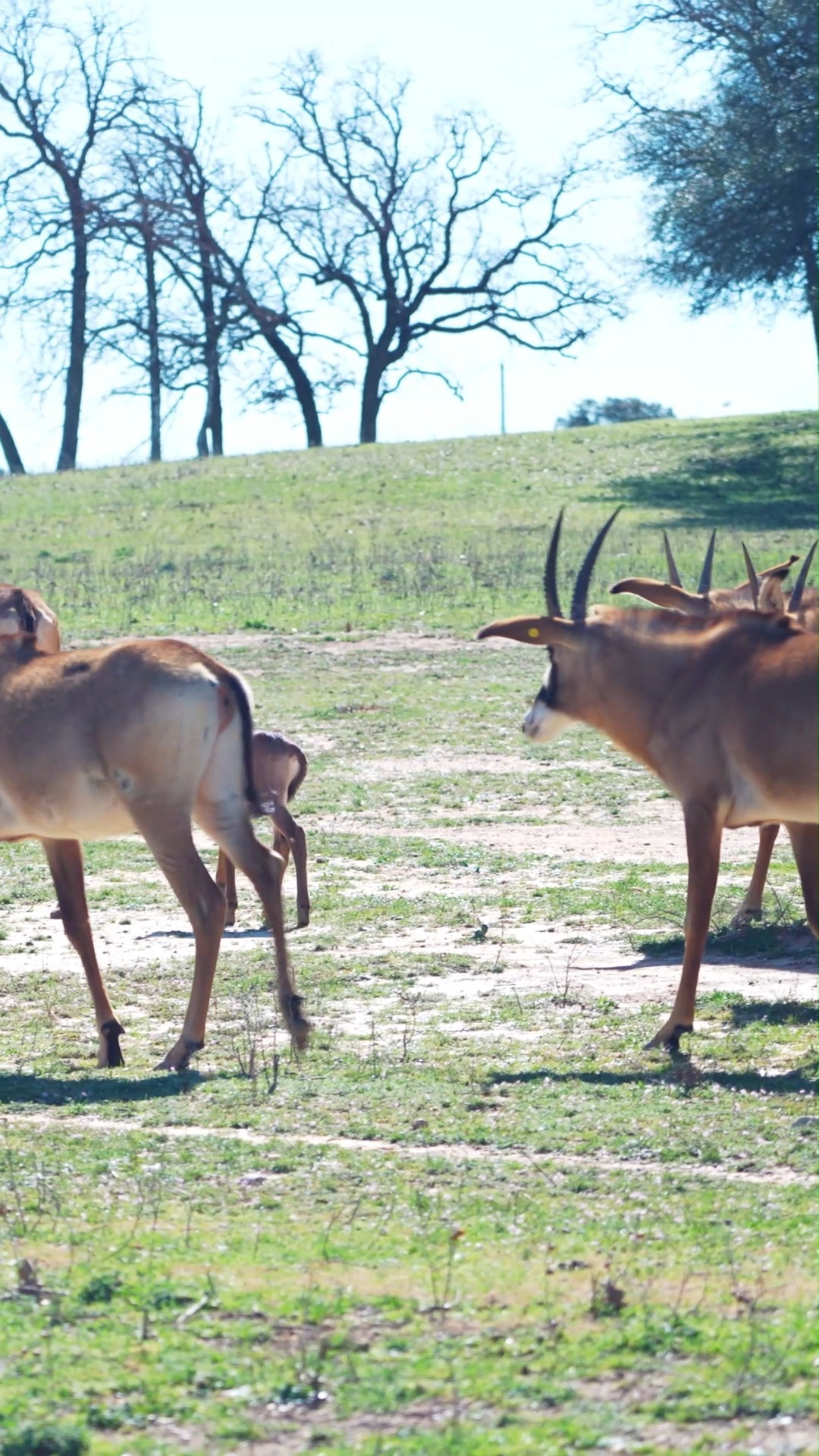
- The importance of integrating new members into animal herds.
- Behavior and social dynamics within a roan herd.
- Nutritional needs and care requirements of young animals.
- The role of conservation in maintaining herd diversity.
- Strategies for successful introductions of animals in managed environments.
The introduction of a new member into a herd can greatly impact social dynamics and overall herd health. Observing interactions among animals is essential for fostering an environment where every individual thrives. In this context, the front pasture roan herd offers an excellent example of how a new addition alters group behavior.
Roan horses, known for their striking color patterns and gentle demeanor, can display an array of social behaviors. These behaviors revolve around herd hierarchy, communication, and nurturing. When a new foal enters a roan herd, existing members often display a range of reactions, including curiosity, protective instincts, and social bonding. Established members of the herd may exhibit behaviors that reinforce their social rank while simultaneously welcoming the newcomer. This process can significantly influence the young animal’s adaptability and comfort within the new environment.
The importance of social structure cannot be underestimated. Roan herds are often composed of mares, their foals, and a few stallions. The bonds formed within these groups are vital for the young animal’s development. Studies have shown that foals raised in stable social environments exhibit less stress and healthier growth patterns. In this case, the front pasture roan herd’s dynamics allow for peaceful integration, enabling the foal to feel secure and engaged.
Understanding the social dynamics of a roan herd involves observing communication techniques such as vocalizations and body language. Horses use a range of sounds and physical cues to express their emotions and intentions. Whinnies, nickers, and neighs serve distinct purposes, from calling to gain attention to signaling distress or contentment. Body language, such as ear positioning, tail movements, and postures, can indicate the animal’s mood and attitude towards one another. These communication methods are essential as the new member learns to navigate its surroundings.
An equally important aspect of welcoming a new foal into the front pasture roan herd is addressing nutritional needs. Newborn foals require a specific diet to support their rapid growth and development. Colostrum, the first milk produced by the mare, is crucial. It contains antibodies that help protect the foal from diseases. This initial intake is vital, as a foal’s immune system is fragile during the first days of life.
After the first week, a foal’s diet gradually shifts from milk to solid food. Grass and specially formulated foal feeds rich in vitamins and minerals become essential. Ensuring that the new addition has access to appropriate nutrition is vital for its health and vitality. It’s critical to monitor that the entire herd, including the new member, receives proper nutrition to maintain optimal health.
Equally significant is the role of conservation in maintaining genetic diversity within herds like the roan. Breeding programs often focus on enhancing unique traits; however, preserving the integrity of the breed is equally important. Genetic diversity helps combat hereditary diseases and increases resilience against environmental changes.
Conservation efforts ensure that the genetic stock remains robust while promoting healthy breeding practices. Responsible breeding can help prevent health issues associated with inbreeding, thus enhancing the overall well-being of future generations. Ultimately, a well-managed herd can make a favorable impact on the survival of a species.
Safely introducing new animals into managed environments is a technique used throughout zoology and animal husbandry. It involves understanding the existing dynamics of the herd. Factors such as age, temperament, and social status come into play when strategizing introductions. Gradual introductions can help reduce stress and aggression that might arise from sudden changes.
Training and behavioral assessments often precede introducing a new member. Ensuring that existing animals are comfortable and curious about the newcomer can enhance the process. Setting up neutral spaces where animals can meet and interact without feeling threatened serves as a beneficial strategy.
Maintaining the health of both the new foal and the herd is crucial. Regular veterinary check-ups help ensure that all animals remain healthy and free from infectious diseases. Vaccinations, deworming, and overall health inspections can make a significant difference. Rarely is herd health more compromised than when a new member is introduced.
Herd management should also involve regular interactions with humans. This assists in building trust and reducing stress. Handling foals during early life stages allows them to become accustomed to human interactions. Gentle training techniques promote social behaviors and ensure that the foal adapts seamlessly to different experiences.
In the case of the front pasture roan herd, the arrival of a new foal represents more than just the addition of another animal. It embodies the continuity of care, management practices, and a commitment to the species’ conservation. Observing and participating in these introductions opens broader conversations about wildlife stewardship and the responsibilities associated with caring for animals in managed environments.
The bond among herd members, frequently observed through mutual grooming behaviors, underscores the significance of social bonds. These acts promote comfort, reduce stress, and strengthen community ties within the herd. The act of grooming serves to not only keep the coat clean but also reinforces social positions and fosters relationships among the horses.
As animal caretakers engage with the front pasture roan herd, fostering relationships becomes a pivotal component of herd management. Understanding the quirks of each animal—such as their favorite scratching spots or preferred companions—allows for a more harmonious setting. Engagement increases the overall commitment to the herd’s well-being.
Additionally, education plays a critical role in expanding awareness about the roan breed’s significance. Historical context, breeding practices, and conservation efforts are all vital components of successful animal husbandry. Individuals interested in these themes can better appreciate the complexities involved in caring for a species that continues to adapt and thrive in their environments.
Furthermore, community involvement enhances the conservation narrative. Programs that allow people to visit, interact, and learn about the roan herd contribute to broader conservation initiatives. Educational programs can create advocates who may later join efforts to protect local wildlife and maintain the habitats in which herds like the front pasture roan reside.
In summary, the introduction of a new foal into the front pasture roan herd displays the importance of social structure, nutritional needs, and conservation strategies. Observing how the herd responds to the new member provides insights into effective herd management and highlights the significance of community roles in animal care. Integrated responsibilities not only foster a thriving herd but also promote efforts to conserve and understand diverse equine species. The excitement surrounding a new foal continues to inspire both caretakers and enthusiasts alike, solidifying a commitment to safeguarding their well-being and ensuring their future.
*****
Source Description
Would ya look at that, the front pasture roan herd has a new member to dote upon. It’s an adorable little thing too!
