
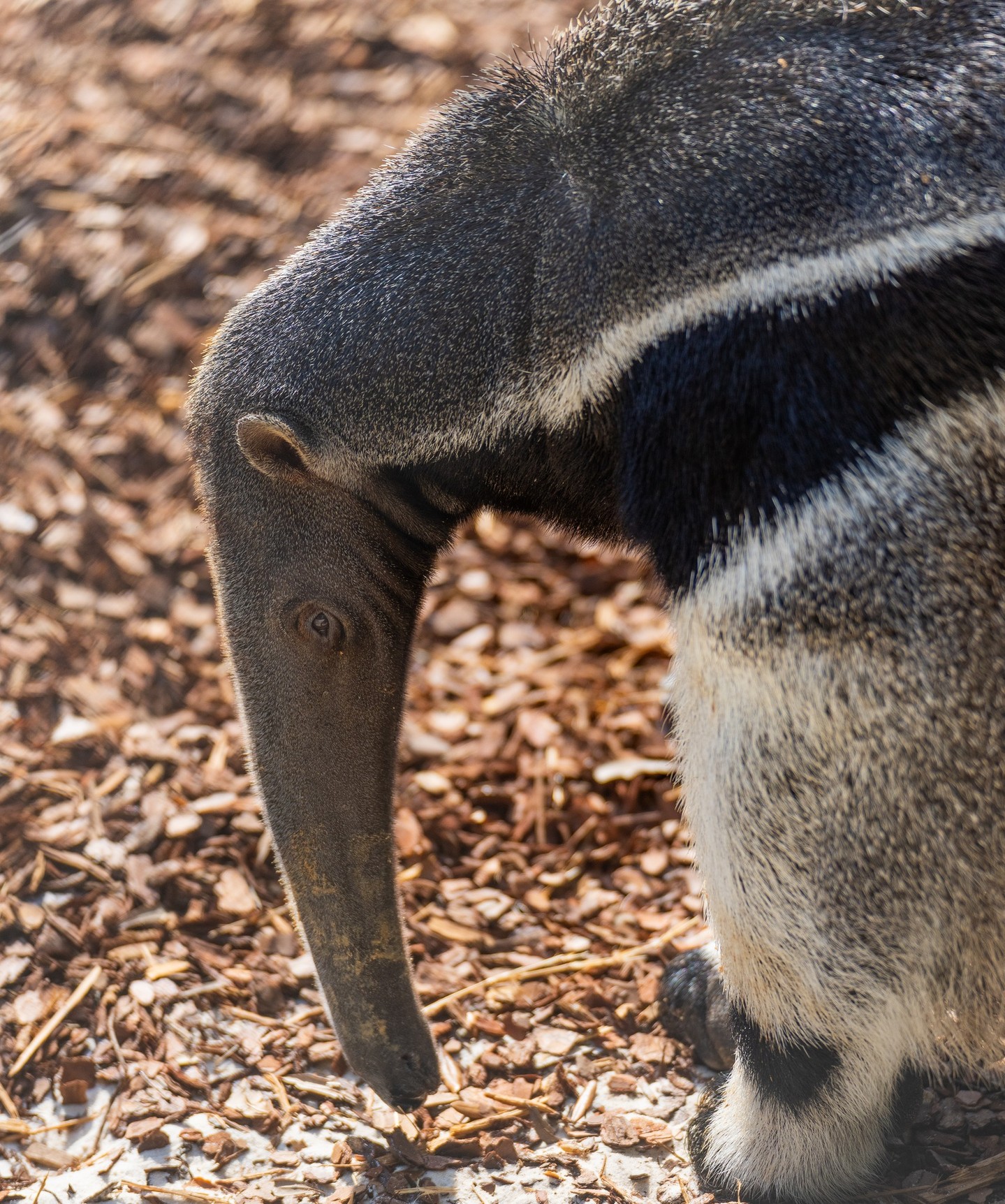
- Introduction to Fernando, the Giant Anteater at Busch Gardens
- Biological and ecological overview of Giant Anteaters
- The significance of introducing new species in zoo settings
- The role of zoos in wildlife conservation and education
- Membership benefits and how to support animal welfare at Busch Gardens
Fernando, the 2-and-a-half-year-old Giant Anteater, is the latest addition to Busch Gardens. Known for his adorable looks and endearing habits, he loves long naps and enjoys splashing in his pool. With his unique diet primarily consisting of insects, Fernando represents an exciting opportunity to educate visitors about his species and its role in the ecosystem.
Giant Anteaters, scientifically known as Myrmecophaga tridactyla, are large, slow-moving mammals native to Central and South America. They boast a long snout that houses a highly flexible tongue, which can extend up to two feet. This specialized adaptation allows them to feed efficiently on ants and termites. Each day, a Giant Anteater can consume several thousand insects, playing a crucial role in controlling insect populations in its habitat.
In addition to their distinct feeding habits, Giant Anteaters are also characterized by their long, shaggy fur and powerful claws. These claws serve multiple purposes, including digging into ant mounds and providing defense against predators. The animals are solitary by nature, preferring to roam their territory alone rather than in groups. Their sense of smell is exceptionally acute, leading them to food sources while helping them avoid potential dangers.
The introduction of Fernando to Busch Gardens is not just an exciting event; it reflects a broader trend in modern zoo management. Zoos are increasingly adopting practices that prioritize animal welfare and species preservation. By bringing in individuals like Fernando, facilities like Busch Gardens can create opportunities for ethical, educational experiences. These initiatives raise awareness about the challenges Giant Anteaters face in the wild, primarily due to habitat loss and fragmentation caused by urbanization and agricultural practices.
Zoos often serve as vital sanctuaries for endangered species. They work to preserve genetic diversity and support conservation programs that benefit animals in their natural habitats. Fernando’s well-being will be closely monitored by an experienced team of zookeepers, ensuring that he thrives in an environment designed to mimic his natural habitat. Incorporating species like Giant Anteaters into zoo environments helps inspire visitors to take actionable steps towards conservation.
Education is a key component of modern zoos. Facilities like Busch Gardens strive to inform their audience about the complex interactions within ecosystems. Fernando’s presence will serve as a conduit for deeper discussions regarding biodiversity, anatomy, behavior, and the environmental threats facing not just Anteaters but countless other species. By fostering an appreciation for these animals, zoos aim to create advocates for conservation among visitors.
Bush Gardens is also home to various other species that will feature prominently in the newly designed Wild Oasis habitat. This section of the park will be an exemplary model for how zoos can house animals while providing immersive educational experiences. Visitors can expect not just to observe but to engage with the habitat, learning about the intricate dynamics of animal liaisons and their environments.
Becoming a Pass Member at Busch Gardens offers an array of benefits. Members gain early access to exhibitions like the Wild Oasis habitat, where Fernando resides. They also receive exclusive invitations to special events and educational programs. Such memberships directly support the institution’s mission towards conservation and animal welfare. The more visitors that engage with these programs, the more funds can be allocated toward research and other essential initiatives.
The introduction of species like Giant Anteaters plays a crucial role in educating the public about global biodiversity. As many ecosystems face rapid degradation, understanding one’s ecological impact is essential. Giant Anteaters are an important part of their ecosystems, and by showcasing them, zoos can inspire collective action toward environmental stewardship.
In summary, the arrival of Fernando at Busch Gardens marks an important moment for conservation education and animal welfare. His intriguing behaviors, such as splashing around in his pool and curling up to nap, captivate audiences and spark curiosity about his species. As visitors learn more about Giant Anteaters and the challenges they face, the potential for change grows. Supporting institutions like Busch Gardens by becoming a Pass Member not only enhances personal learning opportunities but also contributes to the larger mission of wildlife conservation.
*****
Source Description
There’s another cute face joining us here at Busch Gardens! ❤️ We are so thrilled to introduce you all to Fernando, a 2-and-a-half-year-old Giant Anteater. He loves to take long naps and long baths, and when he isn’t slurping up insects, you can typically find him either splashing around in his pool or curled up under his tail taking a nap. He is also notorious for not being a fan of mornings. 😴
We can’t wait for you to meet Fernando and some of the other species that will be at Wild Oasis habitat! Become a Pass Member today to be among the first to experience it all.
