
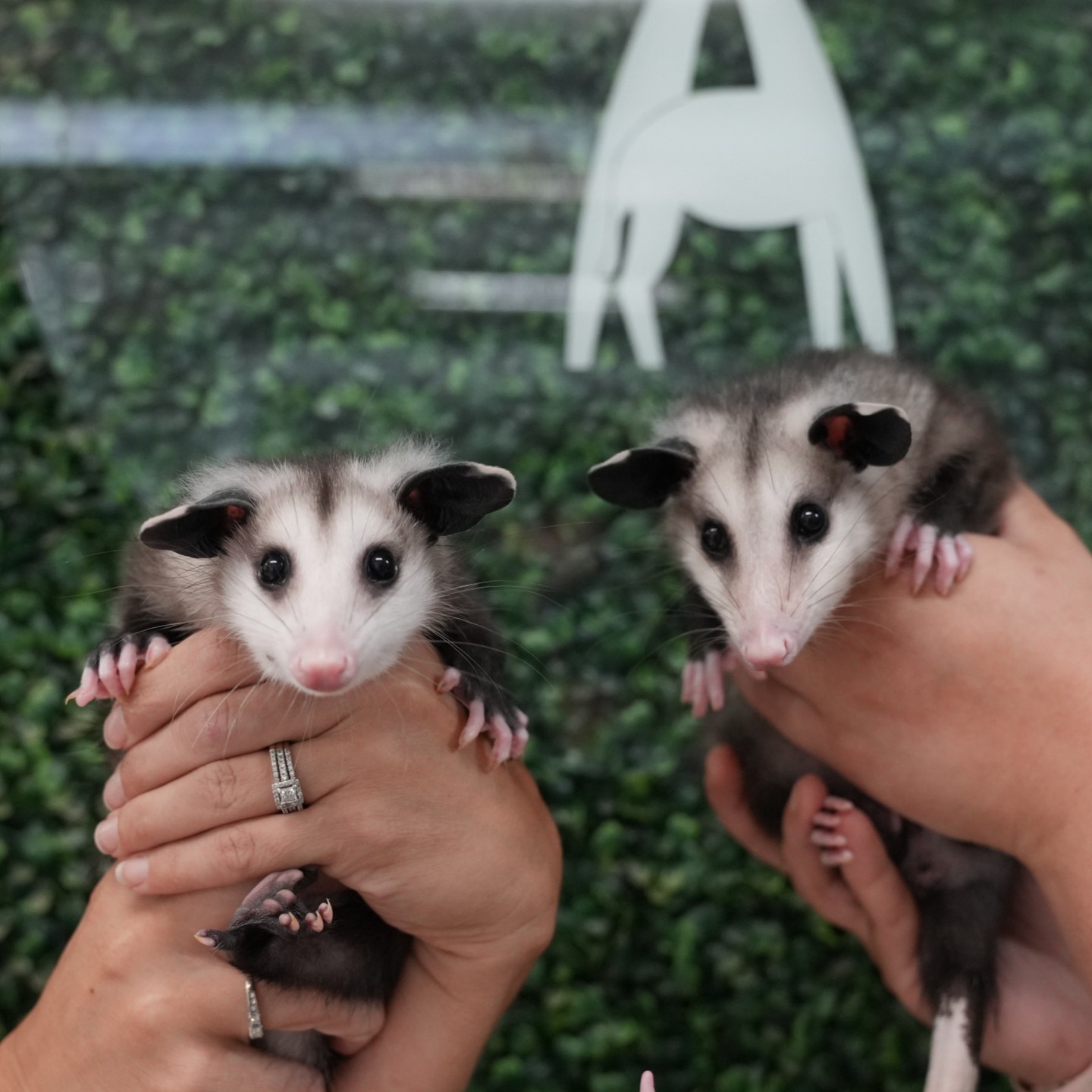
- Introduction to Abilene Zoo’s newest animal ambassadors.
- Overview of the Virginia Opossum, its biology and ecology.
- The role of animal ambassadors in conservation efforts.
- Insights on wildlife rehabilitation and the work of the Big Country Wildlife Rehabilitation Center.
- Information on how to book an animal ambassador up-close tour at Abilene Zoo.
Abilene Zoo has recently welcomed two young opossums, Tot and Tater, from the Big Country Wildlife Rehabilitation Center. These animal ambassadors play a crucial role in educating the public and promoting wildlife conservation. Their presence at the zoo represents not only the charm of their species but also the essential connection humans have with local wildlife ecosystems.
The Virginia Opossum, the only marsupial in North America, displays physical and behavioral traits that enrich its ecological niche. Adults typically weigh between 4 to 14 pounds and range in length from 15 to 40 inches, including their long, prehensile tails. This tail aids in balance and allows them to navigate trees with agility. The opossum’s diet consists mainly of fruits, insects, small mammals, and carrion, showcasing its unique adaptability. This opportunistic feeding habit makes them important players in controlling insect populations and aiding in the decomposition process.
Virginia Opossums are notable for their remarkable reproductive efficiency. A single female can give birth to up to 20 offspring, although the average number that survives is only around six. The young are born extremely underdeveloped and must crawl into the mother’s pouch to continue their development. This marsupial reproductive strategy is a fascinating adaptation that contributes to their survival in various habitats, including forests, wetlands, and urban areas.
Opossums possess several physiological attributes valuable for ecosystem health. Notably, they are almost immune to rabies due to their low body temperature and possess a unique ability to consume rattlesnakes without harm. Their scavenging behavior helps keep environments clean by disposing of carrion, thus preventing the spread of disease. In fact, studies have shown that these animals can eat a substantial number of ticks, effectively reducing potential Lyme disease transmission.
The introduction of Tot and Tater as animal ambassadors is aimed at fostering educational opportunities within the community. Animal ambassadors are essential in promoting awareness about species conservation, habitat preservation, and the importance of biodiversity. Through direct interaction with these animals, visitors can develop a deeper understanding and appreciation for wildlife. In an age of declining biodiversity and habitat fragmentation, education becomes pivotal in inspiring efforts for conservation.
The role of animal ambassadors extends beyond mere exhibition; they serve as tools for behavioral research, animal handling techniques, and public engagement. By interacting with visitors, these animals help demystify the species, combating misinformation and fear associated with them. Opossums often face stigma due to misconceptions about their appearance and habits. By presenting Tot and Tater in a positive light, Abilene Zoo aims to shift perspectives and encourage more compassionate attitudes toward wildlife.
The Big Country Wildlife Rehabilitation Center plays a vital role in preparing these opossums for their new roles as ambassadors. Their mission is dedicated to rehabilitating injured and orphaned wildlife and educating the public about the importance of protecting native species. The center works tirelessly to nurse these animals back to health and equip them for a life in the wild or as ambassadors in educational settings.
The dedication of rehabilitation centers emphasizes the interconnectedness of wildlife and human communities. Wildlife rehabilitation is not only about treatment; it also involves habitat restoration efforts, public education initiatives, and advocating for wildlife-friendly policies. Centers like Big Country provide invaluable training for volunteers and staff, ensuring that they understand animal behavior and care standards essential for nurturing wildlife.
For those wishing to meet Tot and Tater, Abilene Zoo offers special behind-the-scenes tours that provide an up-close look at these delightful opossums. Booking one of these tours allows visitors to engage with the animal ambassadors and learn about their natural history, care routines, and the critical importance of wildlife conservation. These experiences encourage curiosity and a deeper appreciation for the balance of ecosystems.
Educational programming at Abilene Zoo complements the animal ambassador experience. Interactive talks, feeding demonstrations, and hands-on activities guided by knowledgeable staff further enhance visitor engagement. Each opportunity provides insights into the role of opossums in their habitats and how individuals can contribute to wildlife conservation efforts.
One key aspect of the zoo’s mission is to promote urban wildlife conservation. As cities expand, the natural habitats of many species become threatened. Urban wildlife encounters are increasingly common, and educating residents about coexistence strategies is essential. Tot and Tater’s presence at the zoo serves as a reminder that even the smallest animals can make significant contributions to local ecosystems.
Furthermore, the Abilene Zoo collaborates with other local and regional conservation organizations. These partnerships amplify conservation initiatives by pooling resources and expertise. They help facilitate community-based projects aimed at preserving native habitats and fostering coexistence between humans and wildlife.
Conservation extends beyond immediate animal care; it involves fostering relationships within communities. By positively engaging with residents and visitors, zoos like Abilene serve as ambassadors for broader conservation messages. The focus on local wildlife, such as the Virginia Opossum, creates a relatable context for educational efforts.
Tot and Tater also symbolize broader conservation themes, including the importance of preserving biodiversity and protecting habitats. Their story resonates, reminding individuals of their individual roles in wildlife conservation. Ensuring clean, safe habitats for all species requires collective effort, from reducing pollution to encouraging urban gardens that support local flora and fauna.
Addressing the future, both Tot and Tater represent hope for wildlife conservation. Introducing such ambassadors into educational settings raises awareness of contemporary environmental challenges. Discussions surrounding climate change, habitat destruction, and species extinction become more tangible through the lens of relatable animal stories.
In participating in animal ambassador programs, the Abilene Zoo encourages visitors to think critically about conservation practices. Each trip effectively becomes a chance to engage with, understand, and advocate for wildlife. Such exposure can spark lifelong interests in zoology and environmental stewardship.
Abilene Zoo showcases the potential for community engagement in wildlife conservation through the addition of Tot and Tater. The importance of knowledge transmission through the animal ambassador approach can bridge gaps in understanding the delicate balance of ecosystems. Public interaction can significantly contribute to changing perceptions, driving a movement toward greater empathy for wildlife.
Booking a tour to meet Tot and Tater allows individuals to participate actively in the zoo’s mission. It provides an opportunity not only to interact with these fascinating animals but also to spark conversations about wildlife conservation. Educational experiences like these foster lasting memories while highlighting essential conservation messages.
As more people become aware of the roles wildlife plays in maintaining healthy ecosystems, the urgency for preservation will likely grow. The journey begins with sharing stories like that of Tot and Tater—two young opossums with the potential to inspire and educate. Their lives reflect the synergy between wildlife rehabilitation, public education, and community involvement.
Opportunities at the Abilene Zoo are abundant for those interested in wildlife and conservation. Encountering Tot and Tater serves as an invitation to become advocates for wildlife. By learning from these animal ambassadors, communities can champion conservation efforts and inspire future generations to value biodiversity.
The welcoming of Tot and Tater aligns with a broader movement to encourage compassion for all living beings. These efforts demonstrate the vital relationships we share with wildlife. Even species often overlooked, like opossums, play integral roles in maintaining ecological health. Investing in their stories fosters a deeper understanding of the importance of all species.
Thus, Tot and Tater not only enhance the educational offerings at Abilene Zoo but also inspire a growing interest in wildlife conservation among visitors. Through an engaging and informative experience, the zoo continues to cultivate an atmosphere of respect and awareness toward nature, enriching the local community and beyond.
*****
Source Description
Two new animal ambassadors have made their way to Abilene Zoo! Tot (left) and Tater (right) are young opossums from Big Country Wildlife Rehabilitation Center. Book an animal ambassador up-close tour to meet Tater & Tot! 🖤
