
- Introduction to the lesser flamingo species and its significance in wildlife conservation.
- Growth and development stages of lesser flamingo chicks, including unique physiological characteristics.
- The role of zoos in flamingo conservation efforts and public education.
- Challenges and strategies in the care and breeding of lesser flamingos within controlled environments.
- Implications of recent additions to the flamingo flock on conservation strategies and visitor engagement.
Lesser flamingos, scientifically known as Phoeniconaias minor, are a striking species often admired for their vibrant pink hues and unique social behaviors. These birds play a crucial role in ecosystems, particularly in their African and Indian habitats. Understanding the nature of these avian marvels provides insights essential to conservation efforts, especially when new chicks like the recently welcomed ones make headlines.
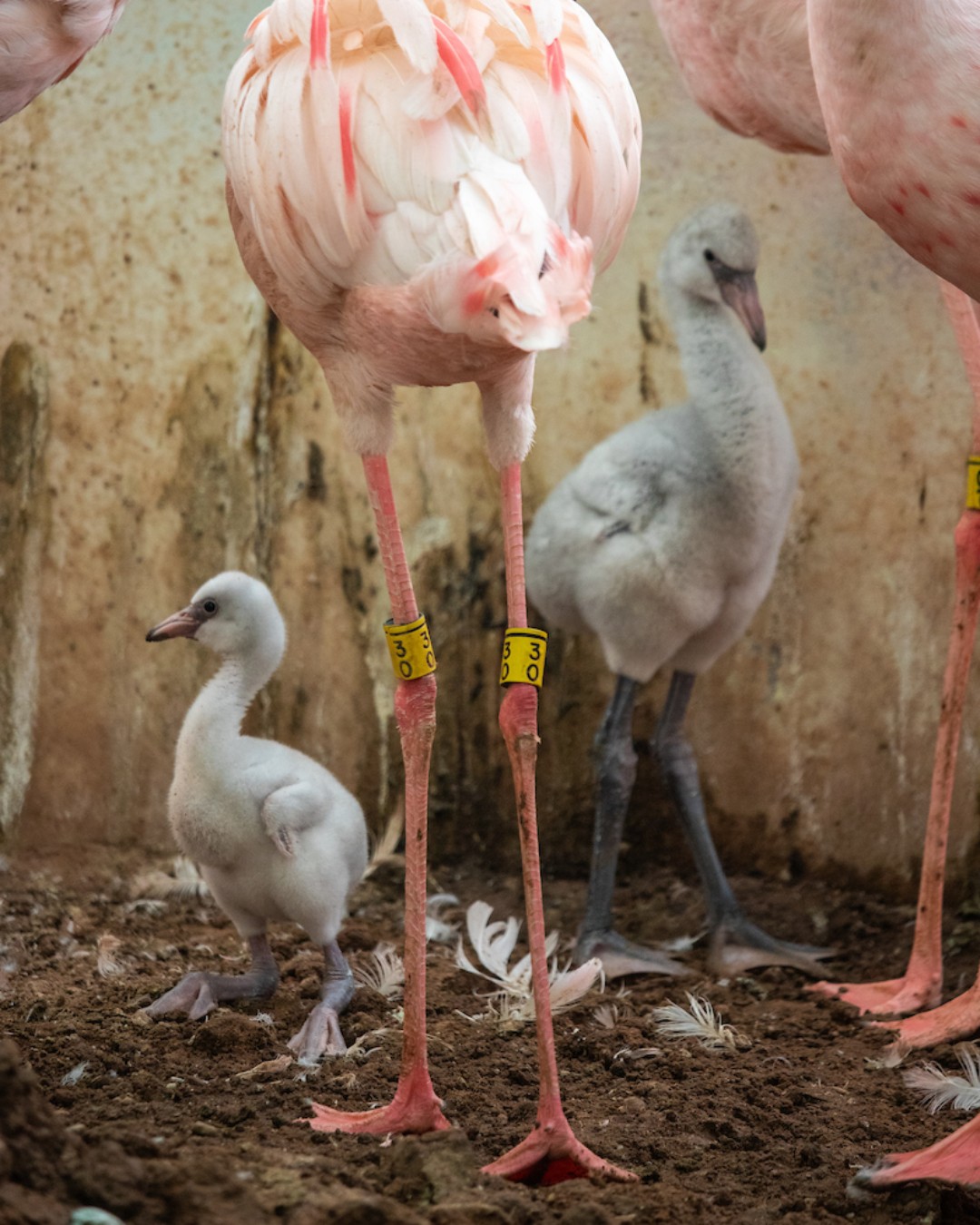
The growth and development phase of lesser flamingo chicks is remarkable. From birth, these chicks are covered in gray down, contrasting sharply with the iconic pink of adults. Their rapid growth rate is a testament to their efficient metabolism and adaptation to survival pressures. Within their first 12 weeks, they grow from fluffy hatchlings to full-sized flamingos, gaining an impressive 20–30% of their body weight daily. This significant growth requires a substantial intake of nutrients, indicating the importance of a meticulously managed diet.
Zoos play an invaluable role in the conservation of lesser flamingos. Beyond the spectacle they offer to visitors, zoos are research hubs for understanding flamingo behavior, breeding patterns, and interactions. Through careful management and conservation breeding programs, zoos contribute directly to maintaining genetic diversity and preserving this species. The presence of newly hatched chicks is a beacon of successful breeding programs and a hopeful indicator for the species’ future. Visitors may not currently see these chicks, yet the behind-the-scenes work underscores the longer-term goals of species preservation.
Caring for flamingos, particularly in artificial environments, comes with unique challenges. Flamingos require specific conditions for breeding, such as suitable nesting areas and access to a diet that replicates their natural feeding. Lesser flamingos, feeding predominantly on blue-green algae, demand environments that simulate their natural habitats. Zookeepers must balance these needs with the limitations of a controlled setting, ensuring the physical and psychological well-being of their birds. This care extends to the design of habitats that encourage natural behaviors, fostering environments where flamingos can thrive.
The arrival of new chicks is momentous for both conservationists and the public. It highlights the effectiveness of dedicated breeding programs and sparks renewed interest in flamingo conservation. By engaging the public, zoos can foster a deeper appreciation of these birds, leading to increased support for habitat preservation initiatives. The narrative of the chicks’ growth, their eventual introduction to public habitats, and their role in educational outreach strengthens community ties to conservation goals.
Lesser flamingos and their kin remain iconic symbols of biodiversity and the persistence of nature. By providing a glimpse into their lives and celebrating every life stage, from hatchling to adult, zoos connect people with the plight and promise of wildlife conservation. The fluffy news of new chicks in a flamingo flock serves not only as a joyful announcement but also as a reminder of the ongoing commitment required to maintain and cherish our natural world.
*****
Source Description
Fluffy news alert! 💗🦩
We’ve welcomed two new lesser flamingo chicks to the flock! These little fluffballs are still gray and downy, but they’re growing quickly — chicks can gain 20–30% of their body weight daily and will be fully grown in just 12 weeks.
The flamingo flock is currently off habitat, but we’ll keep you posted on when you can come visit these precious little ones.
