
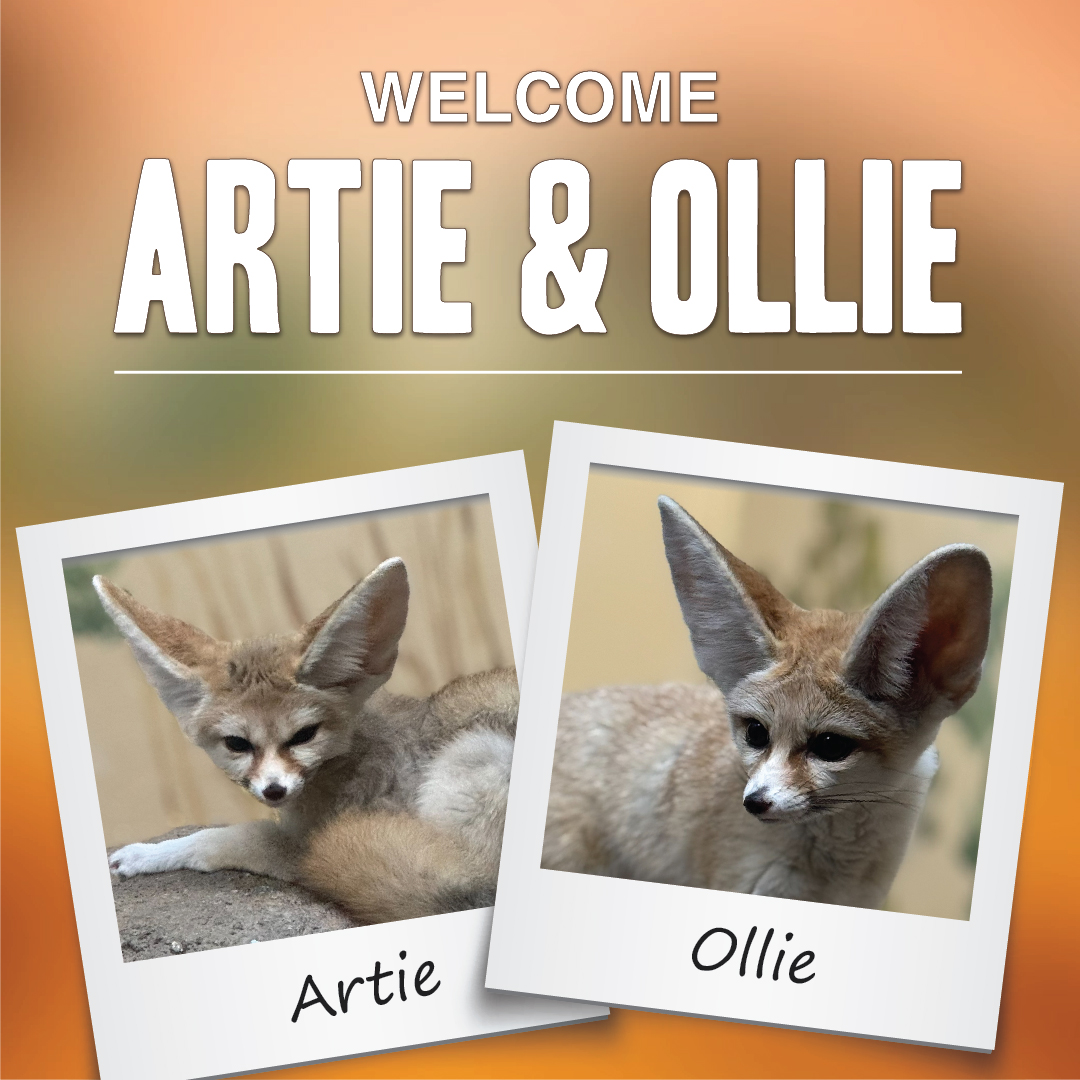
- Fennec fox characteristics and adaptations
- Fennec fox habitat and distribution
- Conservation status and threats to fennec foxes
- Behavioral traits and intelligence of fennec foxes
- Visiting Artie and Ollie at the Birmingham Zoo
Fennec foxes, now represented by Artie and Ollie at the Birmingham Zoo, showcase a series of adaptations that make them remarkably suited for desert life. As the smallest species of fox, these creatures have a distinct appearance characterized by large ears, measuring 4 to 6 inches long. These oversized ears serve several purposes. They allow for extraordinary hearing, enabling Fennec foxes to detect prey such as insects and rodents that may be burrowing underground. Additionally, these large ears act as a cooling mechanism in the extreme heat of the Sahara Desert, facilitating heat dissipation and helping to regulate their body temperature.
Moving to habitat, Fennec foxes are native to the northern regions of Africa, particularly the Sahara Desert. This habitat is marked by arid conditions, characterized by sandy dunes and sparse vegetation. Fennec foxes have adapted to survive with very little water, obtaining moisture from the food they consume. Their nocturnal behavior is also essential for survival. Emerging at night allows them to avoid the daytime heat, hunting for food when temperatures are cooler. Their burrows serve not only as shelters but also as refuge from the environmental extremes of their surroundings.
The conservation status of the Fennec fox is relatively stable, though they do face threats. Habitat loss due to urban expansion, poaching for the exotic pet trade, and human encroachment are all significant challenges. While they are not currently classified as endangered, ongoing conservation efforts are crucial to ensure that their populations remain stable and to preserve the ecosystems in which they thrive. Zoos like Birmingham Zoo play a pivotal role in educating the public on these issues and contributing to conservation strategies aimed at protecting the Fennec fox in the wild.
Intelligence is another defining characteristic of Fennec foxes. They exhibit problem-solving skills that demonstrate a high level of cognitive ability. They have been observed using tools, such as flipping stones to uncover hidden food. This behavior not only reflects their adaptability but also highlights their capacity for complex thought, which is significant within the Canidae family. While they resemble cats in size, they are more closely related to wolves, coyotes, and domestic dogs. Their social structures and behaviors mirror those found in other members of the Canidae family, often displaying pack-like interactions.
Visitors to Birmingham Zoo will have the opportunity to see Artie and Ollie in the Predators Building. This environment is specially designed to provide a naturalistic setting that mimics their desert habitat as closely as possible. Observing Fennec foxes in a setting that reflects their natural behaviors can be both enlightening and enjoyable. Educational programs at the zoo often include information about how visitors can contribute to wildlife conservation efforts and what they can do to help protect these incredible animals in their native habitats.
The presence of Artie and Ollie at Birmingham Zoo serves multiple functions. They are not just an attraction; they also offer an invaluable educational experience for the public. Fennec foxes can be a focal point for discussions on desert ecosystems, adaptation, and conservation. School visits often include tailored educational materials that enhance learning about the importance of biodiversity and the role of zoos in conserving at-risk species.
For those interested in wildlife and conservation, Artie and Ollie are not simply new arrivals; they represent a species that has survived in harsh conditions and continues to thrive due to adaptive strategies. Engaging with these animals in a zoo setting fosters a connection between humans and wildlife, heightening awareness of the fragility of their existence and the ecosystems they inhabit.
Each visit to the Birmingham Zoo presents an opportunity to learn more about the Fennec fox. Guests can expect interpretive signs and knowledgeable staff to provide insights into their diet, reproductive habits, and interactions within their social system. Altogether, this information enhances the visitor experience, serving not only to entertain but also to educate on the broader implications of animal conservation efforts in a rapidly changing environment.
The narrative surrounding Artie and Ollie extends beyond merely showcasing their life as part of the zoo’s collection. It encompasses an awareness of the challenges faced by Fennec foxes both in captivity and in the wild. Attending educational events or participating in discussions held at the zoo can further illuminate the significance of wildlife conservation and the need for responsible environmental stewardship.
Zoo management plays an essential role in ensuring proper care for Artie and Ollie. Nutrition, habitat maintenance, and social interactions are all vital components of their well-being. Animal care experts monitor their health, ensuring they maintain their natural behaviors and avoid stress. These practices align with modern zoo philosophy, focusing on animal welfare and conservation education.
As the story of Artie and Ollie unfolds at the Birmingham Zoo, it invites the community to engage with wildlife actively. Their presence serves as a reminder of the wonders of nature, as well as the responsibility humanity bears to protect animal habitats globally. Families, students, and wildlife enthusiasts alike are encouraged to take an active interest in promoting conservation efforts.
By visiting Artie and Ollie, guests can immerse themselves in discussions that highlight the importance of understanding ecosystems and the interconnectedness of species. This engagement fosters future generations’ appreciation for both local and global wildlife. Programs at Birmingham Zoo are often designed to inspire young minds to think critically about conservation challenges, and the fennec fox serves as a compelling case study.
In summary, Artie and Ollie’s arrival introduces a fascinating species to Birmingham Zoo, enhancing public understanding of Fennec foxes and their role in biodiversity. Their unique adaptations, intelligent behavior, and the challenges they face in the wild provide crucial learning opportunities. As individuals visit the Predators Building to observe these delightful animals, they also contribute to a larger conversation about conservation, emphasizing the need to protect our planet’s remarkable diversity. This connection is vital for fostering a culture of environmental responsibility that can lead to positive changes in attitudes towards wildlife and nature conservation in the years to come.
*****
Source Description
🚨 New Arrivals Alert! 🦊🦊
Meet Artie and Ollie, our new Fennec Foxes!
These desert dwellers are now living in the Predators Building at your Birmingham Zoo. Fennec foxes are small but mighty. They are the smallest species of fox and are known for their oversized ears.
1️⃣ Their extraordinary hearing helps them locate prey underground, and those big ears (4–6 inches long!) even help them stay cool in the Sahara heat.
2️⃣ Though they may look a little cat-like, they’re actually part of the Canidae family, so they are more closely related to wolves, coyotes, and dogs.
3️⃣ Fennec foxes are super smart; they’ve been seen using tools like flipping stones to find food.
Swing by the Predators Building and give a warm Birmingham welcome to Artie and Ollie! 💛
Photo credit: Klara M
