
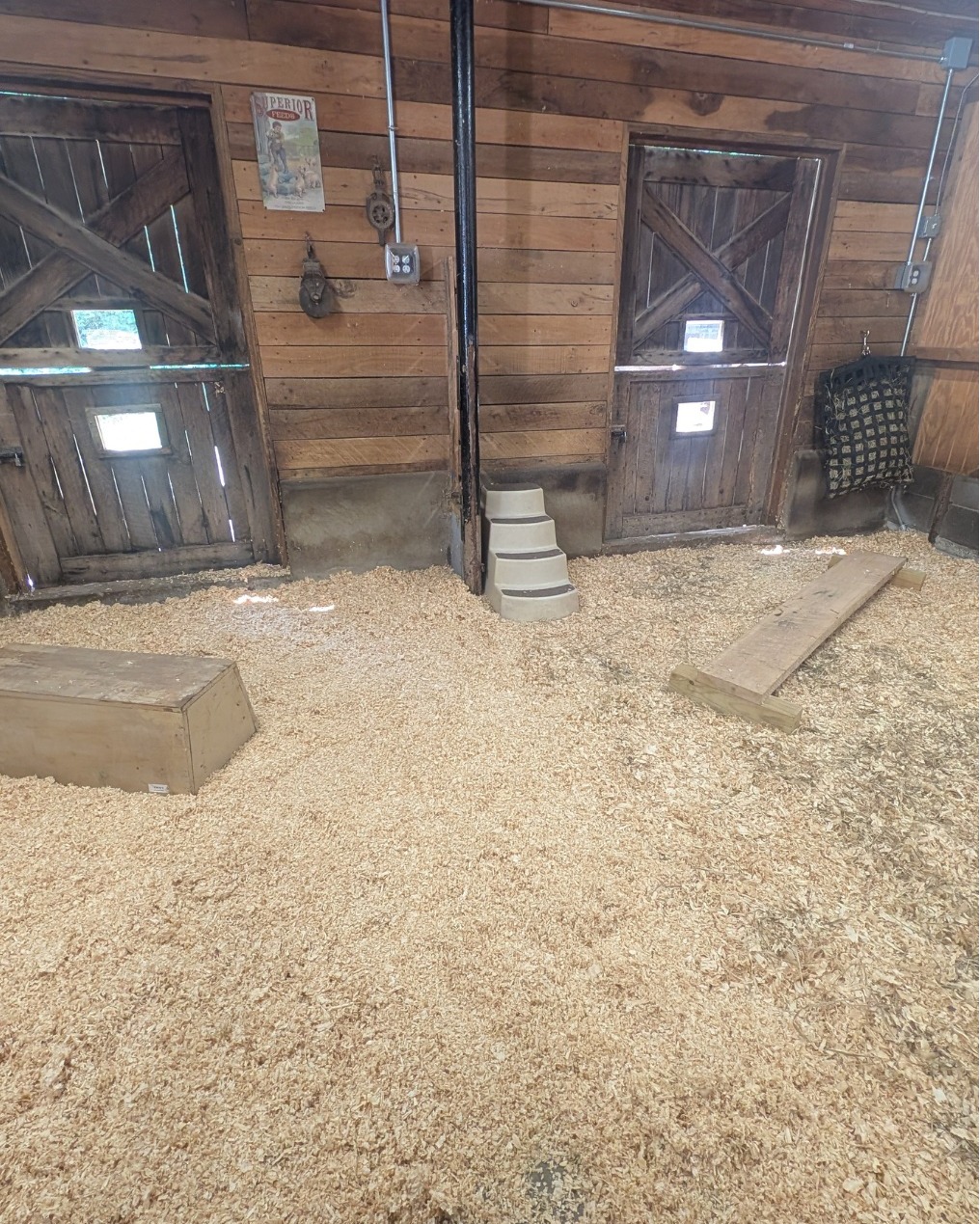
- Introduction to the cozy stall and its exciting new inhabitants
- Background on the species moving in, including habitat and characteristics
- Importance of zoos in wildlife conservation and education
- Challenges and responsibilities of zoo management
- How the community can engage and support conservation efforts
The cozy stall that once stood empty is about to buzz with life as some very special new arrivals are on their way. These newcomers promise to capture hearts and draw attention, igniting curiosity among visitors. In the coming sections, we will explore who exactly is moving in, the significance of their presence, and how the community can rally around wildlife conservation to support these animals.
The exciting new inhabitants we will welcome are likely to be species that evoke a sense of awe and fascination. Our attention often turns to vibrant creatures exhibiting extraordinary adaptations for survival in their native environments. Animals like capybaras, red pandas, or even various species of birds could be among the contenders for this playful stall. Each of these animals brings its charm and unique set of characteristics while serving as a vital reminder of the world’s biodiversity.
Capybaras are the largest rodents in the world, originating from South America. Adapted for life in wetland ecosystems, they are social creatures often found in groups near water sources. Their unique anatomy, such as webbed feet, allows them to swim with ease. These gentle giants can also play a vital role in maintaining their habitat, as they help control vegetation growth near water bodies.
Red pandas, on the other hand, are beloved for their playful demeanor and striking looks. Found in the temperate forests of the Himalayas, red pandas rely on bamboo as their primary food source. Their elusive nature and charming antics make them popular attractions in modern zoos, but they face threats from habitat loss and poaching. Educating the public about their plight is crucial for their conservation.
Bird species can also create vibrant interactions in a zoo setting. Consider welcoming the African grey parrot, known for its intelligence and complex communication skills. Not only do these birds enchant visitors, but their presence raises awareness about the challenges of habitat destruction and the pet trade.
Zoos play an essential role in wildlife conservation by participating in breeding programs, habitat restoration, and educational outreach. These facilities are crucial to maintaining genetic diversity among endangered species and providing a haven for animals that no longer have a safe environment in the wild. The responsibilities of zoo management go beyond mere exhibits; they focus on creating a sanctuary where both animals and visitors can thrive.
The engagement of the public is invaluable in these efforts. Educational programs can foster a deeper understanding of environmental issues while involving the community in conservation actions. Organizing events such as habitat clean-ups, workshops, or talks featuring wildlife experts can empower community members to partake in essential conservation initiatives. These kinds of programs engage citizens in meaningful ways and can cultivate a sense of stewardship towards the environment.
Moreover, the concept of wildlife corridors—protected areas that connect separated habitats—has gained traction in recent years. Cooperation among various stakeholders, including community members, government agencies, and NGOs, is vital in the establishment of these corridors. By encouraging wildlife movement, habitats can become more interconnected, which benefits the species that rely on these ecosystems for survival.
In conclusion, as we eagerly await the arrival of our new inhabitants, it is essential to recognize the broader implications of their presence. The choices we make today can impact wild populations tomorrow. By supporting conservation efforts and participating in educational programs, we all contribute to a more sustainable future for wildlife.
Through collaboration, education, and community engagement, we can create lasting change in the way we interact with wildlife. The cozy stall is not simply a space for animals; it symbolizes our commitment to preserving the beauty and complexity of the natural world. Together, as we watch the new arrivals steal the show, we can make strides toward a harmonious relationship between humans and animals.
*****
Source Description
🕵️♀️ Who’s moving in… 👀
This cozy stall won’t be empty for long. We’ve got some very special new arrivals coming soon — and let’s just say they’re going to steal the show (and maybe your heart). 💛 Drop your guesses in the comments!
