
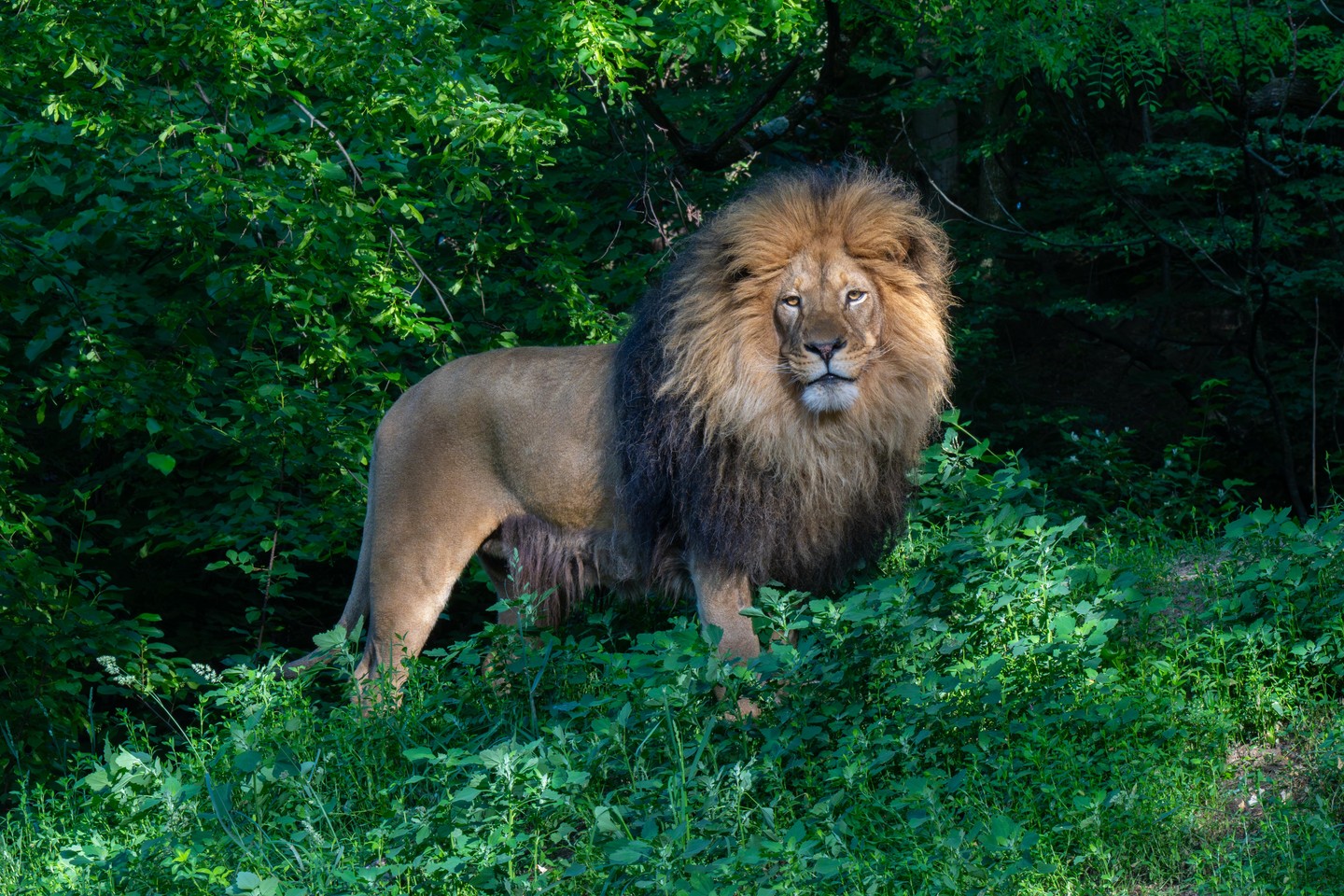
- Hondo’s Introduction to the Zoo and His Role as a Companion for Lionesses
- The Importance of Social Dynamics in Lion Prides
- Insights into African Lion Conservation Status
- Zoo Management Strategies and Visitor Engagement
- Educational Opportunities for Guests and Community Involvement
The recent arrival of Hondo, an eight-year-old male African lion, marks a significant addition to the zoo’s pride. He has come as a companion for the lionesses, Abana and Scarlett. This integration is not merely about adding another animal; it encompasses social dynamics and conservation efforts essential for understanding lion behavior in captivity. As Hondo adjusts to his new home, he will alternate with the lionesses in their outdoor habitat, allowing visitors to observe how this new relationship develops.
Hondo’s introduction stems from a plan to enhance the social structure of the lion pride. Lions are social animals that thrive in groups. In the wild, pride dynamics play a critical role in hunting, rearing young, and establishing territory. Hondo’s presence will ideally foster a complex interaction among the three lions, which could result in more natural behaviors that zoo visitors may find fascinating. Understanding these interactions not only enriches the lives of the animals but also adds a layer of engagement for the viewing public.
The importance of social dynamics in lion prides cannot be overstated. Lions are unique among big cats as they exhibit social behavior, often forming groups usually comprising multiple females, their offspring, and a few male lions. Each lioness plays a role, from hunting to nurturing the young. The introduction of Hondo creates opportunities for the lionesses to engage in behaviors that reflect their natural tendencies.
The new lion addition also provides an educational opportunity regarding the conservation status of African lions, which are classified as vulnerable by the International Union for Conservation of Nature (IUCN). Historically, lions roamed much of Africa, but their populations have been in decline due to habitat loss, hunting, and conflicts with humans. The zoo plays a critical role in conservation awareness, as every new animal brings heightened attention to its species. Visitors will learn about the challenges facing African lions and the vital importance of preserving their habitats.
Zoo management strategies revolve around both the care of the animals and the interests of the guests. Proper housing, health care, and behavioral enrichment are essential for the well-being of Hondo and the lionesses. The spaces they inhabit must mimic natural habitats to some extent. This design helps to manage their health while promoting natural behaviors. Visitors will have opportunities to engage with the zoo staff through educational talks. Staff will share insights into animal care, species-specific needs, and conservation strategies.
Community involvement is another critical aspect. Hondo’s introduction is more than a mere addition; it serves as a focal point for community education and outreach programs. Schools and local organizations can participate in events centered around this new lion family. Workshops can provide insights into the biology of lions and the efforts required for their conservation. The zoo aims to create strong connections between visitors and wildlife, fostering a sense of responsibility toward environmental stewardship.
Hondo’s arrival brings an understanding of species-specific behavioral patterns. His body language, vocalizations, and interactions with Abana and Scarlett will be crucial for researchers and zookeepers monitoring their integration. Lions communicate in various ways, from roars to social grooming, allowing them to establish bonds and hierarchies. Each animal has its own personality, and observing their interactions will provide valuable insights.
The introduction phase involves careful monitoring. Zookeepers utilize techniques such as scent swapping, where they familiarize Hondo with the scents of Abana and Scarlett, and vice versa. This method can ease tensions and facilitate smoother interactions. As Hondo becomes acclimated to his new surroundings, zoo staff will observe all interactions to assess compatibility.
Caring for Hondo entails expertise in nutrition, health management, and behavioral enrichment. Lions are carnivorous and require a specific diet that mimics their wild food sources. The zoo provides a carefully planned diet, consisting of high-quality meat, supplemented with vitamins and minerals to ensure optimal health. Regular veterinary check-ups are crucial for detecting any health issues early. Lions are prone to certain ailments, and preventive care is essential for maintaining their well-being.
Behavioral enrichment is another critical component of zoo management. This practice stimulates the animals both physically and mentally. Enrichment can include puzzle feeders that challenge Hondo to use problem-solving skills or new environmental structures that encourage exploration. These activities help combat boredom and stress, creating a more dynamic and engaging habitat.
There is a delicate balance in managing animal behavior while ensuring visitor safety. Staff training prepares zookeepers for various situations, from daily care routines to emergencies. The zoo employs strict protocols that adhere to safety and animal welfare guidelines.
Visitor engagement is fundamental to promoting conservation. By showcasing animals like Hondo, the zoo can convey its conservation messages effectively. Educational placards detailing lion facts, their ecosystem roles, and conservation needs will be placed around the habitat. This approach enables guests to leave with valuable insights on how they can contribute to wildlife conservation efforts.
Hondo serves not only as a family member for Abana and Scarlett but also as an ambassador for conservation. He becomes part of a narrative that highlights the importance of protecting lions in their natural habitats. Additionally, specific events, such as Lion Awareness Days, can feature Hondo and encourage attendance while increasing awareness of the species’ plight.
Research into lion genetics, population dynamics, and health issues is a growing field. The zoo can contribute to this knowledge base by participating in breeding programs designed to maintain genetic diversity among captive lions. These programs aim to prevent inbreeding while supporting the broader conservation of species.
Hondo’s arrival has generated excitement, signaling the zoo’s commitment to bringing attention to species conservation and animal welfare. Guests will witness aspects of lion behavior that are seldom seen in the wild, such as grooming, playing, and establishing social bonds. These interactions enhance the educational aspects of the zoo visit.
Another exciting aspect of Hondo’s introduction is the opportunity for citizen science. The zoo may implement initiatives where visitors participate in observing behaviors and reporting them to staff. This interactive experience adds another layer of engagement and builds a sense of community around wildlife conservation efforts.
In summary, Hondo’s arrival at the zoo offers multifaceted opportunities for understanding animal behavior, enhancing visitor experience, and promoting conservation efforts. As an important addition to the lion pride, he represents the challenges and triumphs of African lions overall. By observing him alongside the lionesses, visitors gain a deeper understanding of these remarkable animals, fostering a connection that encourages active participation in conservation efforts. Through educational programs and collaborative community initiatives, the zoo aims to make a significant impact on raising awareness about the plight of lions and promoting a shared responsibility for their future.
*****
Source Description
The Zoo announces the addition of a new mane attraction – Hondo, an eight-year-old male African lion! He has arrived as a companion for our lionesses Abana and Scarlett. As Hondo gets used to both his new home and his new pride-mates, he and the lionesses will alternate on view in their outdoor habitat. You can learn more about Hondo on our website!
