
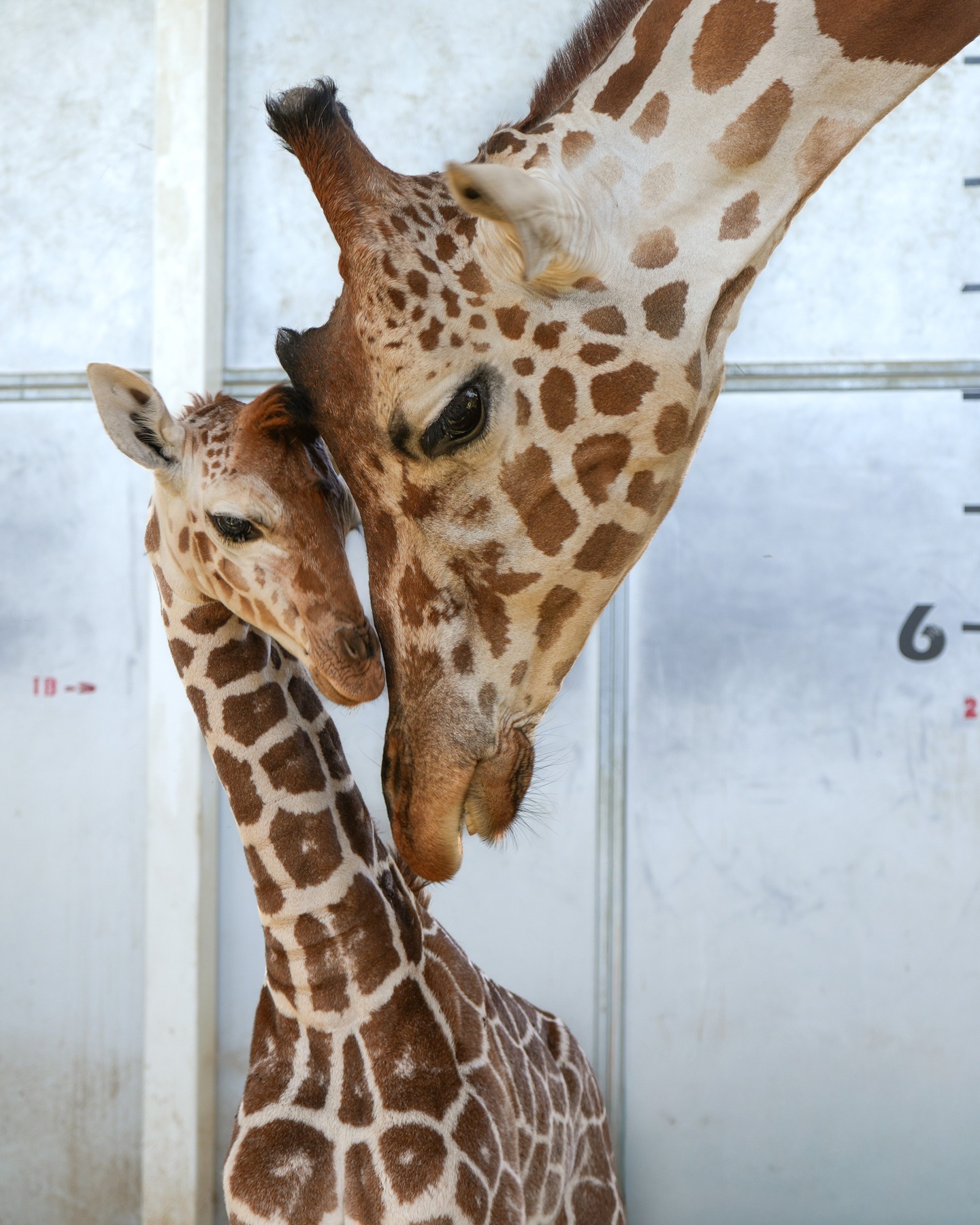
- The significance of the newest baby boy calf’s birth for giraffe conservation efforts
- Overview of giraffe populations and threats they face in the wild
- The role of zoos in promoting education and awareness about wildlife conservation
- Early development and behavior of young calves in giraffe herds
- The importance of public engagement and support for conservation initiatives
The birth of the newest baby boy calf represents an important milestone for giraffe conservation. As populations of giraffes have shown a significant decline of nearly 40% over the past 30 years, every new birth comes with hope and provides opportunities to raise awareness about the species. This calf, along with his sister born in September, will serve as ambassadors for their species. By capturing the attention of visitors and generating conversations about giraffe conservation, they bring focus to the urgent need for action to address threats facing their kind.
Giraffes primarily inhabit savannas and open woodlands, but these natural habitats are increasingly under threat from human activity and climate change. Habitat loss due to agriculture, urbanization, and deforestation puts immense pressure on their populations. Poaching for meat and their skins remains a concern in certain areas as well. Given these threats, the birth of each calf is not only a joyous event but also a critical movement toward preservation efforts. The continued survival of giraffes in the wild hinges on such initiatives, making this calf’s birth more than a simple addition to the zoo; it reflects a dedicated effort towards a greater cause.
Zoos play a pivotal role in promoting education and awareness regarding wildlife preservation. By housing species like giraffes, they serve as living laboratories for research and observation. The public can learn about the behavior, biology, and ecology of these remarkable creatures, gaining the knowledge needed to champion conservation efforts. Many zoos also implement breeding programs aimed at maintaining genetic diversity among captive populations, which can be crucial for future reintroduction into the wild.
In the case of giraffes, the care of these calves begins even before they are born. Expectant mothers receive specialized nutrition and veterinary care. After birth, calves struggle with their first steps, which can be clumsy, but they typically gain confidence quickly. Within a few hours, they are often standing and even attempting to nurse. The dynamic of a giraffe herd is fascinating; calves learn not only from their mothers but also from the other members of the group. They observe social interactions and become adept at interpreting social cues, which will serve them well as they grow.
Calves from giraffe herds are known for their lively and curious nature. As the newest baby boy calf settles into his environment, he begins exploring his habitat, a behavior crucial for his development. This curiosity allows him to interact with diverse elements of his surroundings: from the trees he navigates to the other animals he encounters. These experiences contribute greatly to his psychological and social development, which plays a vital role in the longevity and overall health of the species.
Public engagement is a fundamental part of wildlife conservation efforts. By attracting visitors to the zoo’s giraffe savanna, the new calves prompt discussions about giraffe conservation, their habitats, and the steps necessary to protect them. Such interactions spark interest, cultivating a sense of responsibility in visitors, urging them to support conservation initiatives. Educational programs, events, and outreach provide frameworks for turning fascination into action.
Moreover, exposing visitors to the giraffe’s plight promotes empathy, which is essential in driving change. Children, in particular, are deeply influenced by encounters with wildlife. When they see the newest baby boy calf, a tangible connection is formed, cultivating a love for nature and the desire to protect it. Implementing community activities, school programs, and conservation workshops further enhance public understanding of the ecosystem’s importance.
The plight of giraffes is emblematic of broader environmental issues. They are considered a keystone species, meaning their presence supports a complex ecosystem. Conserving their populations contributes to the overall health of their biodiversity. Therefore, the birth of each calf has implications beyond itself, weaving into the larger narrative of ecological health and balance.
As visitors venture into the giraffe habitat, they witness not only the wonder of these majestic animals but also the collective responsibility we share in preserving their existence. Observing the new calf interact within the herd or even step into the sun creates a deeper appreciation for the intricate web of life surrounding us. The story of this calf acts as a bridge connecting people with the challenges facing giraffes, igniting passion for animal welfare and environmental sustainability.
Breeding programs also serve as potential lifelines for endangered species. For giraffes, genetic diversity is essential as it aids in bolstering the species’ resilience to disease and ecological changes. In partnership with wildlife organizations, zoos can facilitate genetic research to determine the best breeding strategies. Such initiatives create a safety net for giraffes, preserving vital genetic lines that would otherwise fade from our planet.
As giraffe populations continue to be threatened by human activity, proactive measures must be taken. Collaboration between conservationists, governments, and communities can form successful strategies. Creating protected areas, advancing anti-poaching policies, and engaging local populations in conservation education are steps that yield measurable results. Awareness campaigns can draw attention to the importance of preserving not only giraffes but also their habitats.
Technological advancements have allowed researchers to monitor giraffes and their movements more effectively. GPS tracking and camera traps provide invaluable data regarding their behavior and population dynamics. This information helps in understanding habitat needs, migration patterns, and social structures. With this knowledge, conservation strategies can be adapted for maximum effectiveness.
As the new baby boy calf becomes a part of the public narrative, he embodies the delicate balance between wildlife conservation and human responsibility. His interactive exploration of the habitat can inspire zoo visitors to reflect upon their role in environmental stewardship. By learning about giraffes and engaging with their story, guests can take home perspectives that translate into action, whether it be through donations, advocacy, or lifestyle changes.
The newest baby boy calf will gradually play a significant role in these initiatives. Over time, he will grow into a symbol of hope and resilience for his species. His presence reminds us that every life counts and that informed actions can directly impact the outcome of conservation efforts. Collectively, these initiatives provide the foundation for efforts that extend beyond giraffes to embrace a wider vision of biodiversity preservation.
Engaging the public around their experiences with giraffes creates avenues for lifelong commitment to conservation. Education fosters understanding, and understanding breeds action. The story of the calf serves as a call to engagement, urging society to participate actively in wildlife conservation efforts.
As visitors approach the giraffe savanna, the sight of the new baby boy calf exploring his environment will undoubtedly fascinate and inspire. The opportunity to witness young animals thrive in their naturalistic habitats enhances visitor experiences at the zoo. Their visit can turn knowledge into appreciation, leading to greater efforts in protecting not only giraffes but also the diverse ecosystems they inhabit. Each encounter, excitement, and learning moment reinforces the critical importance of conservation work.
Recruiting champions for wildlife preservation starts with moments like these. The excitement surrounding the newest baby boy calf encapsulates much of what zoos strive to achieve. Here we have a living testament to the success of breeding programs and our collective responsibility to preserve wildlife. As our understanding deepens and our devotion to conservation intensifies, the hope remains that conservation efforts will pave the way for a brighter future for giraffes and countless other species.
*****
Source Description
The newest baby boy calf is settling in beautifully! 💛 He’s already exploring the giraffe habitat and growing more confident each day.
As one of two calves born in September, he and his sister will serve as ambassadors for their species and help highlight the importance of desert conservation. With giraffe populations declining by nearly 40% in the past 30 years, every birth is a big step for conservation. 🌍
Next time you’re at the Zoo, stop by the giraffe savanna. You might just spot one (or both!!) of the newest herd members. 🦒🦒
