
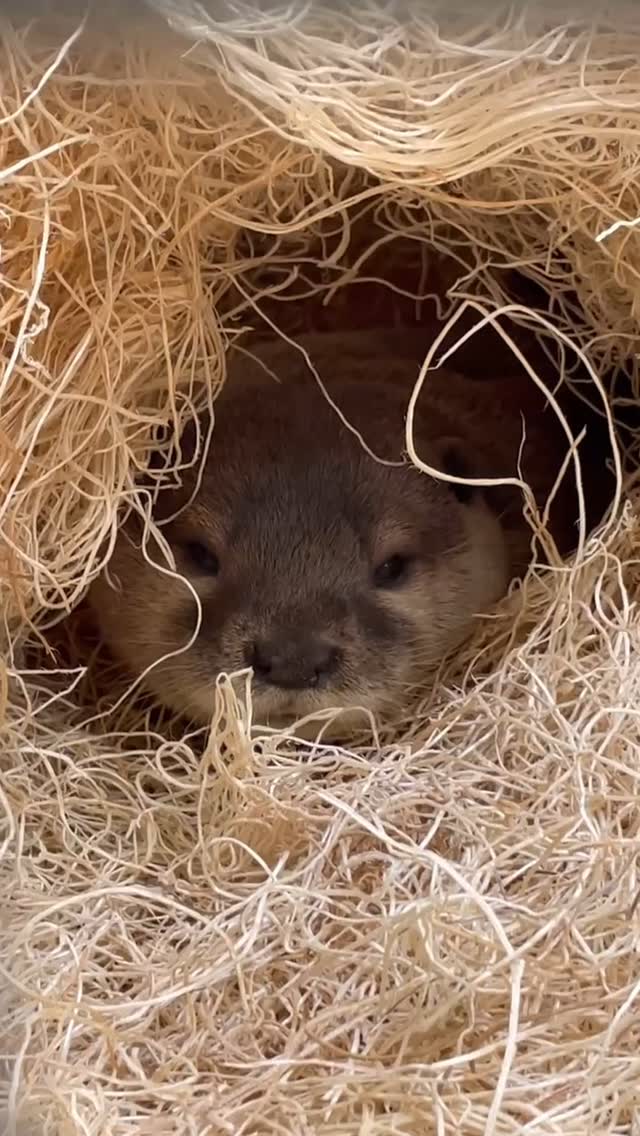
- The role of parental care in avian species, focusing on Flounder the dad.
- Behavioral patterns of bird species during nesting seasons.
- The significance of nest protection and vigilance in bird survival.
- How wildlife conservation efforts support avian parenting behaviors.
- The relationship between local ecosystems and bird populations.
Flounder, an avian father, exemplifies the vital role of parental care in the animal kingdom. Bird species exhibit a wide range of parental behaviors, critical not only for the survival of their young but also for maintaining the balance in their ecosystems. As a new dad, Flounder demonstrates key aspects of nurturing that are observed in numerous bird species worldwide.
Parental care among birds varies significantly across species. While some birds may exhibit minimal involvement with their offspring, others exhibit highly invested parental behaviors. For instance, many species of songbirds, such as robins and sparrows, display remarkable dedication to their young. In Flounder’s case, his vigilance at the nest entrance illustrates the instinctual need for protection during a vulnerable period. Avian fathers often take active roles in feeding and training their chicks, addressing their physical needs and teaching vital survival skills.
During the nesting season, behavioral patterns shift notably. Birds become increasingly focused on reproductive success, which directly correlates with environmental factors such as food availability and predation pressures. Flounder’s sleepy yet watchful demeanor showcases a balance between rest and alertness vital for survival. During this time, adults must remain vigilant against predators and environmental threats. A parent’s ability to monitor the nest and signal potential dangers is essential for maintaining the safety of their young. This often means that adult birds will showcase signs of fatigue, yet they remain alert and ready to respond to any threats they encounter.
Nest protection is a critical component of avian parenting that underscores the importance of vigilance. Birds face numerous threats, including predators such as snakes, raccoons, and larger birds. For Flounder, guarding the entrance to the nest box ensures that his chicks remain safe from potential harm. Monogamous species, such as many songbirds, often display increased protective behaviors, allowing both parents to share responsibilities effectively. Even in their sleepy state, birds have developed physiological adaptations, such as heightened sensory perception and rapid response mechanisms, enabling them to defend their territories and offspring.
One must also consider the wider implications of avian parental care within the context of wildlife conservation. Efforts to protect bird habitats directly impact nesting success rates. When habitats are preserved or restored, the likelihood of successful breeding increases significantly. Climate change, habitat destruction, and human encroachment put immense pressure on avian populations. Organizations dedicated to wildlife conservation work diligently to favor the nesting success of birds by advocating for habitat protection and restoration. This, in turn, supports parents like Flounder in their efforts to raise healthy offspring.
Ecosystems provide a complex web of interactions where birds play integral roles as pollinators, seed dispersers, and prey for larger fauna. Healthy bird populations can influence vegetation dynamics and contribute to the overall health of the habitat. Flounder’s role as a parent not only affects the immediate survival of his chicks but also impacts the broader ecological framework. If avian species experience declines, ecosystems face disruption, leading to a cascade of adverse effects.
As communities engage in conservation efforts, more individuals become aware of the intricate relationships between birds and their habitats. Schools and organizations often promote educational initiatives to teach about bird behavior and the importance of protecting nesting sites. Schools foster a sense of stewardship among younger generations, encouraging them to appreciate local wildlife and understand how they can contribute to conservation efforts.
Research into avian parenting also highlights the adaptability of bird species to changing conditions. In urban areas, some birds have modified their nesting behaviors in response to anthropogenic influences. For instance, species like pigeons and sparrows have shown resilience in exploiting human-made structures as nesting sites. Observations of these adaptations reveal the tenacity of avian species, further intertwining their survival strategies with their environments.
During the breeding season, Flounder likely faces various challenges, including finding sufficient food resources. Nutrition plays a crucial role in both adult health and the development of chicks. Parents must physically feed their young while simultaneously ensuring they have enough energy for their protective duties. This interplay defines successful nesting strategies, as the health of the parent directly influences the growth and survival of the chicks.
Research indicates that food availability can significantly affect breeding success. Studies have shown that fluctuations in food supply can lead to declines in reproductive output or even abandonment of nests. With climate change altering food web dynamics, avian parents must continuously adapt their behaviors in response to the changing landscape. Flounder’s commitment to protecting the nest while sourcing food embodies the trade-offs that many birds must navigate during breeding seasons.
Bird watchers and nature enthusiasts often find joy in observing these intricate interactions, providing valuable insights into avian life that enrich public appreciation for wildlife. Citizen science projects have emerged as essential tools for monitoring bird populations and their behaviors. Enthusiasts contribute data that aids scientists in tracking changes in distribution, breeding success, and the effects of environmental changes.
The understanding gained from observing birds like Flounder offers significant implications for conservation strategies. Documenting parental behaviors contributes to a broader understanding of species’ ecological needs. Engaging with local communities creates knowledgeable advocates for wildlife who can perpetuate efforts for habitat protection and sustainability practices.
Avian species reflect biodiversity, demonstrating how intricate relationships with ecosystems sustain them. Localized conservation programs highlight the importance of maintaining native flora and fauna to bolster bird populations. Techniques such as habitat restoration, tree planting, and pollutant reduction can foster healthier environments conducive to breeding success.
Practical applications of avian studies include the enhancement of urban landscapes to support nesting birds. Creating green spaces and maintaining natural habitats reduces fragmentation, allowing more species to thrive. Flounder represents not just an individual but a collective embodiment of avian resilience and the need for concerted efforts to secure their habitats.
As we observe Flounder at the nest box, we witness the multifaceted responsibilities of avian parenthood. His sleepy yet vigilant demeanor conveys the challenges that many bird species face in raising their young, emphasizing the need for conservation. Promoting awareness and conservation efforts at local and national levels can create pathways for protecting species and the ecosystems they inhabit.
The intersection of avian behavior and environmental health illustrates the complexities of our interactions with wildlife. Protecting birds like Flounder requires understanding the delicate balance of ecosystems. As communities unite for conservation, we cultivate an appreciation for both the avian world and the various factors influencing its survival.
Engagement in conservation fosters a connection between people and their local environments. By protecting bird species, we not only help secure their places in the ecosystems but also contribute to broader biodiversity efforts. This bond reinforces the value of nature in our lives, calling for proactive measures to sustain and safeguard the beauty of avian life.
*****
Source Description
New Dad, Flounder, is protecting the entrance to the nest box, sleepy but vigilant. 🤣🥱
