
- Introduction to Nuevo Hábitat: Its Role in Zoo Management and Wildlife Conservation
- The Scientific Aspects of Nuevo Hábitat and Its Impact on Animal Welfare
- Integration of Technology and Innovation in Nuevo Hábitat Practices
- Environmental and Educational Strategies Employed by Nuevo Hábitat
- The Broader Implications for Conservation and Community Awareness
In the intricate ecosystem of modern zoological parks, the concept of "Nuevo Hábitat" emerges as a groundbreaking approach to wildlife management and conservation. This initiative is not merely a structural reform but a comprehensive strategy that redefines the interaction between humans and wildlife. By marrying scientific rigor with operational innovation, Nuevo Hábitat sets a new standard for animal welfare and environmental sustainability.
Nuevo Hábitat has been specifically crafted to optimize the well-being of captive species, promoting both physical and psychological health. This is achieved by incorporating naturalistic environments that mimic the habitats animals would encounter in the wild. The result is an increase in natural behaviors, such as foraging and social interactions, which contribute positively to the animals’ health and longevity. Through detailed studies, it has been seen that species residing in environments enriched by Nuevo Hábitat strategies exhibit lower levels of stress, which is often indicated by physiological markers such as cortisol.
The foundation of Nuevo Hábitat rests upon robust scientific principles, focusing on ecology, ethology, and zoology. By understanding the specific needs of each species, the initiative forms a bespoke plan to cater to these needs, taking into account their natural history and conservation status. Veteran animal behaviorists and biologists collaborate to fine-tune environmental conditions, ensuring that factors like diet, temperature, humidity, and social structures are aligned with the animals’ intrinsic requirements.
Technology plays an integral role in Nuevo Hábitat, with advanced monitoring systems and adaptive management tools facilitating precise habitat management. These digital systems track animal behavior and physiological changes, providing real-time data that informs caretakers about the overall welfare of the inhabitants. The integration of artificial intelligence and machine learning allows for predictive modeling, anticipating the needs of animals before they become critical issues. Thus, Nuevo Hábitat exemplifies how emerging technologies can enhance zoo management and conservation efforts.
Beyond technological integration, Nuevo Hábitat promotes educational outreach and community engagement as cornerstones of its mission. Educational programs are tailored to foster a deeper understanding of biodiversity and the significance of conservation. Interactive exhibits and guided tours provide visitors with insights into the lives of animals and the environmental challenges they face. The emphasis on education helps bridge the gap between the public and conservation efforts, cultivating a sense of stewardship and responsibility towards global wildlife preservation.
The broader implications of Nuevo Hábitat extend beyond the confines of zoological parks, influencing conservation policies and practices on a larger scale. By establishing ethical standards for the treatment and care of animals, Nuevo Hábitat provides a model that can be replicated in various settings, from nature reserves to urban wildlife rehabilitation centers. The initiative’s focus on sustainability and environmental health resonates with global efforts to curtail biodiversity loss and combat climate change.
Nuevo Hábitat also addresses community involvement by encouraging local participation in conservation projects, fostering a collective approach to environmental issues. Through collaborative efforts, communities are empowered to take an active role in the protection of their native species and habitats. This participatory model not only enhances conservation outcomes but also strengthens socio-economic structures by integrating sustainable practices into local economies.
In summary, Nuevo Hábitat represents a paradigm shift in zoo management and wildlife conservation. By leveraging scientific insights, technological advances, and educational initiatives, it creates a holistic environment in which both animals and humans can thrive. As an influential model, Nuevo Hábitat holds promise for shaping the future of conservation, bridging the gap between human activity and the preservation of our planet’s invaluable biodiversity.
*****
Source Description
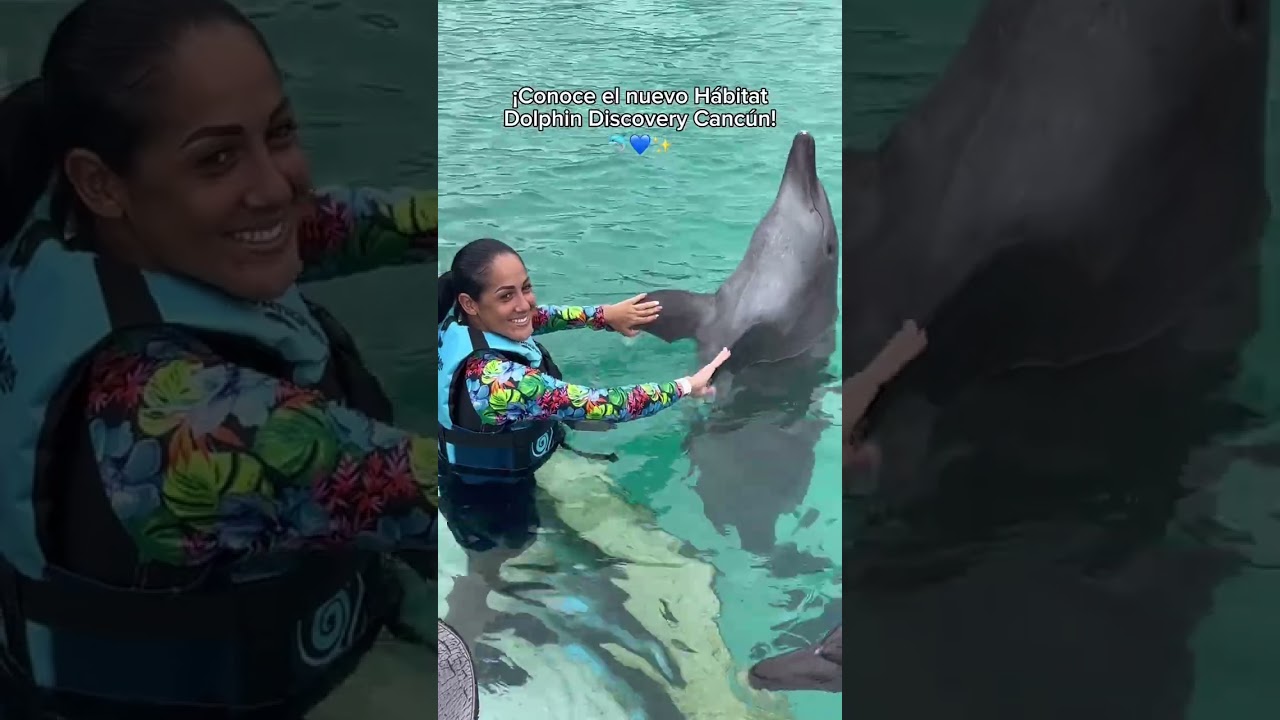
Dolphin Discovery Cancún te espera para que vivas una experiencia única con nuestros increíbles Delfines! Descubre nuestro nuevo Hábitat y vive la experiencia de tu vida. ¡No te lo pierdas! 💙🐬
Dolphin Discovery Cancun is waiting for you to live a unique experience with our incredible Dolphins! Discover our new Habitat and live the experience of a lifetime, don’t miss it! 💙🐬
#dolphindiscovery #dolphins #swimwithdolphins #cancún
