
- Historical Overview of Early Zoo Management and Asian Elephants
- Betsy the Elephant: Her Role and Impact on the Recreation Park Zoo
- Evolution of Zoo Practices and Elephant Care Over the Decades
- Conservation Efforts and the Legacy of Henrietta the Elephant
- Future of Wildlife Conservation and the Commemorative Celebration
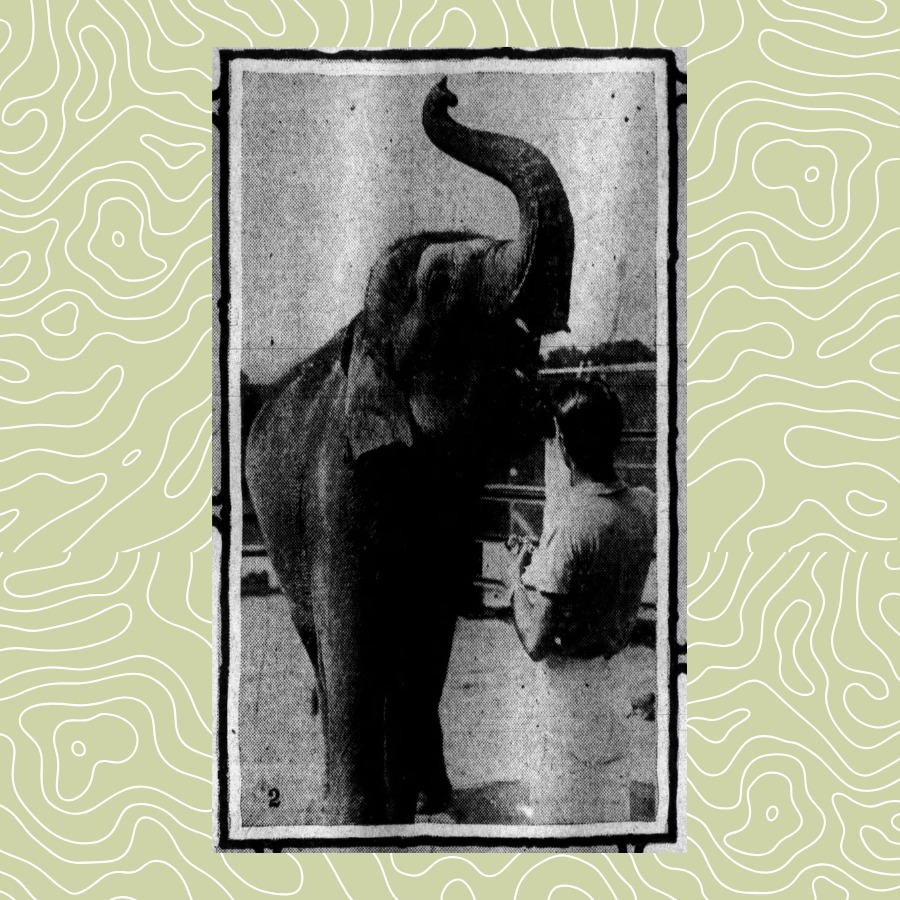
The year 1930 marked a transformative era in zoo management, with institutions like the Recreation Park Zoo, known today as the Nature Center, beginning to foster an environment that emphasized both education and conservation. Among the pioneers in this period was Betsy, one of the earliest Asian elephants to grace a zoo outside Asia. This article aims to delve into the multi-faceted aspects of this time, highlighting how it shaped the future of zoos and wildlife conservation.
Betsy was not just another resident of the zoo. Her presence signified the dawn of a new era where giant mammals were not merely attractions but ambassadors for their species. Her caretakers in the early 20th century faced challenges that today’s wildlife experts might find daunting. Without the benefits of modern veterinary science and behavior studies, they relied heavily on observation and trial-and-error methods in her care.
The introduction of Betsy prompted the Recreation Park Zoo to innovate. It became an early proponent of creating enclosures that mimicked natural habitats, aiming for better physical and psychological well-being of the animals. This approach gradually evolved, eventually leading to the enriched environments we see today. Betsy’s diet and social interactions were carefully monitored, with zookeepers advocating for diets that resembled her natural foraging behaviors.
The role of zoos began to shift during this era from purely recreational arenas to educational platforms. Betsy became an icon, helping ignite public interest in wildlife conservation. Her story encouraged visitors to learn about Asian elephants’ natural habitats, social structures, and the threats they faced in the wild. This knowledge was pivotal in fostering a conservation mindset, contributing to worldwide efforts to safeguard endangered species.
As we moved through the mid-20th century, zoo management practices saw significant advancements. Enrichment activities were introduced, and efforts to replicate complex social structures became more common. Elephants like Henrietta, who lived at the Nature Center until the 1980s, benefited from these progresses. Henrietta built on Betsy’s legacy, becoming a beloved figure and a catalyst for conservation awareness. Her caretakers incorporated innovative methods such as protected contact management, offering insights that shaped the handling and safety standards used globally today.
Conservation efforts for Asian elephants intensified as awareness grew. Programs focused on breeding, habitat conservation, and conflict resolution between humans and wildlife became essential. Organizations collaborated globally, sharing knowledge and strategies to amplify their impact. Initiatives to educate future generations on the importance of preserving biodiversity have been deeply influenced by the legacies of individual animals like Betsy and Henrietta.
Looking forward, the Nature Center is poised to celebrate its centennial with a special event on May 30. This celebration promises to highlight the zoo’s history and ongoing commitment to wildlife conservation. Visitors can expect exhibits that not only honor past achievements but also outline future endeavors in species preservation and sustainability.
In today’s changing environment, zoos are seen as critical partners in global conservation efforts. The story of Betsy and Henrietta is not just a reflection of the past but an ongoing narrative continued by modern conservationists and zookeepers. As we commemorate these milestones, it’s crucial to remember the vital role every individual plays in advocating for and protecting the world’s majestic creatures.
*****
Source Description
🐘 to 1930!
This newsclip features Betsy, one of the earliest Asian elephants to live at the Nature Center, then called the Recreation Park Zoo. Many of you may remember Henrietta, our last Asian elephant, who lived here until the 1980s. She left a lasting impact on generations of guests and animal keepers.
Psst…We’ve got something WILD planned to celebrate our 100th — and trust us, you won’t want to miss it. Be sure to sign up for our emails so you’re the first to hear what’s coming on May 30!
https://lp.constantcontactpages.com/sl/6XrMTPA
