
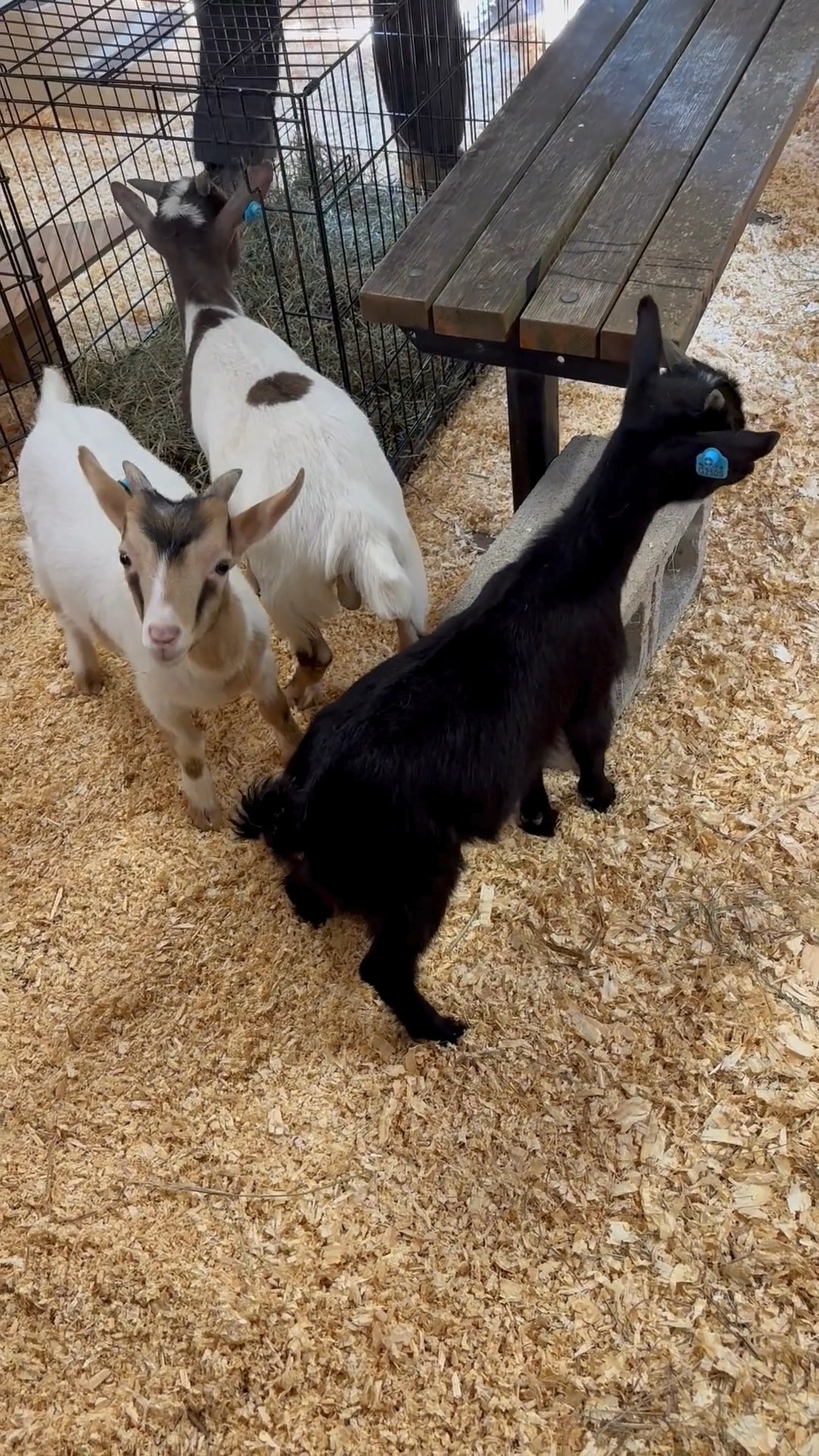
- Introduction to Nigerian Dwarf Goats: Characteristics and Popularity
- Care and Management Practices for Goat Kids
- Naming Traditions and Cultural Significance
- Conservation and Ecological Importance
- Insights into Local Legends and Inspiration Behind Naming
Nigerian Dwarf goats are a small, charming breed originating from West Africa, renowned for their docile nature and adaptability. These goats possess colorful coats and endearing temperaments that have garnered them immense popularity among both hobbyists and small-scale farmers. Their diminutive size makes them particularly appealing for those who may not have extensive land resources, as they require less space than larger breeds but still contribute significantly through milk production and companionship.
Caring for Nigerian Dwarf goat kids necessitates a comprehensive understanding of their nutritional and environmental needs. From birth, these young goats require colostrum-rich diets to boost their immune systems. Providing clean, dry bedding and a secure enclosure protects them from weather elements and predators. Regular health checks, vaccinations, and deworming support their developmental health. Social integration within the herd is crucial as well, promoting natural behaviors and reducing stress. Implementing a rotational grazing system aids in pasture management and goat health, fostering a balanced ecosystem.
Naming these young goats is a tradition steeped in symbolism and cultural heritage. Many farmers draw inspiration from local legends or significant historical figures, embedding a touch of lore and meaning into their daily operations. This practice not only preserves regional culture but also creates a unique identity for each goat. Observing the goats’ individual personalities and physical traits often guides this naming process, reflecting the deep connection between farmer and livestock.
The ecological impact of Nigerian Dwarf goats extends beyond their immediate environment. They play a pivotal role in pest control and vegetation management, which aids in maintaining biodiversity. Their foraging habits assist in keeping invasive plant species under control while promoting the growth of native flora. Conservation efforts surrounding these goats focus on preserving their genetic diversity and educating the public about sustainable livestock management practices.
Exploring the inspiration behind naming the goat kids provides a window into the cultural fabric of the community. Often, such names honor a local legend — a revered figure whose legacy embodies the values and spirit of the region. By tapping into these stories, goat owners not only commemorate their heritage but also enliven traditional narratives for newer generations. This connection between livestock and local history enriches the communal landscape, celebrating the interplay between culture and agriculture.
*****
Source Description
Our Nigerian dwarf goat kids are here! We’ll tap into their names this afternoon—stay tuned to find out what’s brewing and the special local legend who inspired us.
