
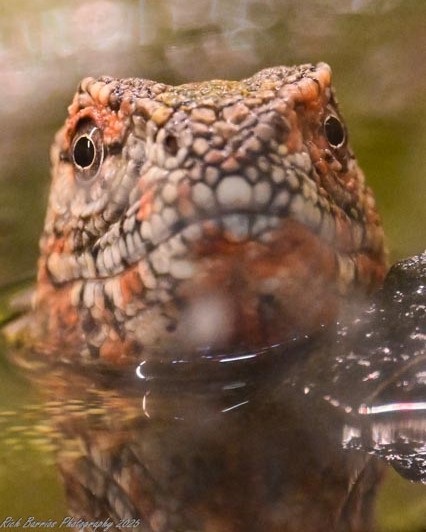
- Introduction to Nile, the Crocodile Lizard, at Dakota Zoo
- Overview of Crocodile Lizard biology and behavior
- The role of zoos in wildlife conservation and education
- Nile’s impact on visitors and community engagement
- Conservation efforts for crocodile lizards in the wild
Nile, a fascinating resident of Dakota Zoo, is a Crocodile Lizard known for captivating both staff and visitors. Sharing a cheerful Monday greeting, Nile embodies the zoo’s spirit of education and conservation. As we explore Nile’s story, we delve into the biological features and needs of this intriguing species.
The Crocodile Lizard, scientifically known as Shinisaurus crocodilurus, is native to the forested waterways of southern China and northern Vietnam. Its semi-aquatic lifestyle requires a habitat with ample water and dense foliage. The species is characterized by its striking dorsal scales and a lengthy tail reminiscent of its prehistoric namesake, the crocodile. These lizards are diurnal, often basking in sunlight to regulate their body temperature.
A critical aspect of their biology is their diet, consisting primarily of invertebrates and small fish. Their hunting behavior involves quick, precise movements, making them effective predators in their natural habitat. Crocodile Lizards demonstrate unique reproductive habits, with females carrying live young, a rarity among lizards.
Zoological spaces like Dakota Zoo play a vital role in the conservation of species like the Crocodile Lizard. With habitats under threat from deforestation and pollution, zoos provide a safe environment for the survival and breeding of these reptiles. Educational programs at the zoo inform the public about the importance of preserving biodiversity.
Nile serves as an ambassador for Crocodile Lizards, engaging visitors and sparking curiosity about wildlife conservation. Through interactive exhibits and informative signage, guests learn about Nile’s behavior, diet, and native habitat. Such interactions foster a deeper appreciation for wildlife and the necessity of conservation efforts.
Community involvement is another cornerstone of the zoo’s mission. By participating in local events and educational outreach, Nile and the Dakota Zoo staff connect with a broader audience, emphasizing the importance of preserving endangered species. These initiatives inspire future generations to value and protect natural ecosystems.
Conservation efforts extend beyond the confines of the zoo. Protecting Crocodile Lizards in the wild involves habitat preservation and anti-poaching measures. Collaborative efforts between zoos, conservation organizations, and local governments are crucial for the survival of this species. Research and field studies contribute to understanding their ecology and developing effective conservation strategies.
In the grand scheme of wildlife conservation, Nile’s presence at Dakota Zoo is more than just an attraction. It represents a commitment to safeguarding biodiversity and educating the public about the delicate balance of ecosystems. Through Nile, visitors gain insight into the life of Crocodile Lizards, encouraging a deeper connection with nature.
Letting Nile’s story inspire action, we see how each effort contributes to a global mission of conservation. Whether through education, direct conservation work, or community engagement, every step matters. Nile and the Dakota Zoo illustrate how understanding and protecting wildlife can shape a more sustainable future.
*****
Source Description
Nile, Dakota Zoo’s resident Crocodile Lizard, wishes everyone a happy Monday!!
📸Rich Barrios
