
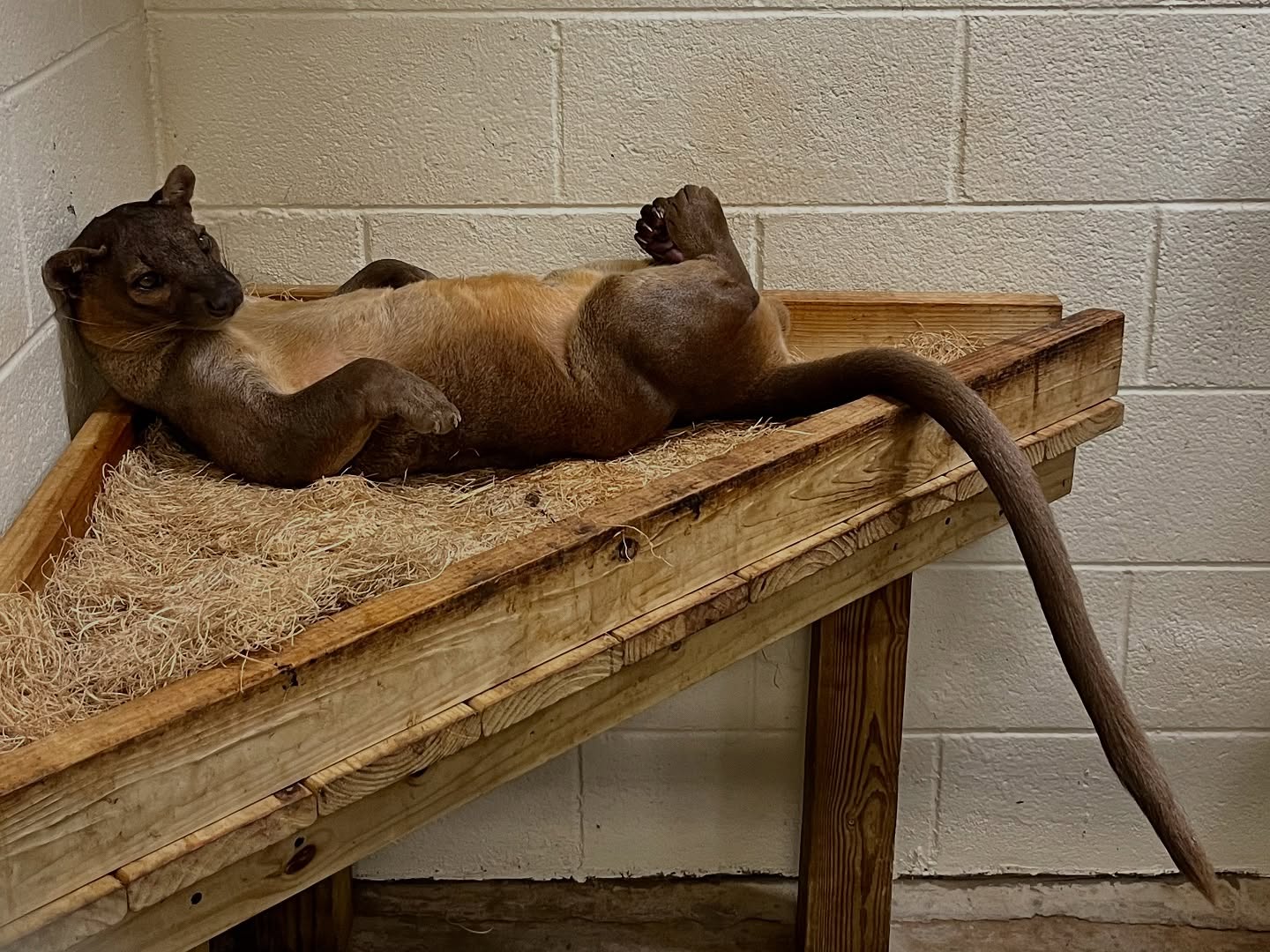
- Overview of “No Sunday Scaries Here” and Its Impact
- The Role of Animal Care Specialists in Conservation
- Work Environment and Mental Health in Zoo Careers
- Hannah F. and Her Journey in Animal Care
- The Importance of Zoology and Education in Wildlife Conservation
The concept of “No Sunday Scaries Here” encapsulates a refreshing approach to work-life balance, particularly in careers like animal care. It conveys an absence of the anxiety that often accompanies the onset of a new work week. Within the specialized field of zoology and animal care, this idea is pivotal. It highlights how a fulfilling work environment can contribute to job satisfaction and overall mental well-being.
Animal Care Specialists play a crucial part in the ecosystem of conservation. These professionals are trained to tend to a variety of species, ensuring their health and well-being. This hands-on experience is vital not only for the animals but also for the broader goals of wildlife preservation. By focusing on education and hands-on experience, specialists like Hannah F. are integral to fostering understanding and respect for the complexities of animal behavior and habitat needs.
The role of an Animal Care Specialist involves much more than daily feeding and habitat maintenance. Professionals in this field must be knowledgeable about species-specific diets, behavior patterns, and health indicators. They often track animal health, assist in rehabilitative care, and sometimes engage in research projects to gather data on animal populations. This depth of knowledge ensures that care is tailored to the individual needs of each species, supporting the overarching goals of wildlife conservation.
Towards mental health, having a supportive and engaging work environment is essential. The stress commonly associated with Sunday nights, known as “Sunday Scaries,” is significantly reduced in workplaces that prioritize mental health. Animal care can be physically demanding and emotionally taxing, given the potential for loss and the responsibility of caring for living beings. When employees feel empowered and supported in their roles, they are less likely to experience anxiety about the workweek ahead. This shift in workplace culture not only benefits the individual but enhances the animal care team’s effectiveness as a whole.
Hannah F. stands as an exemplary figure in this field. As an Animal Care Specialist, her contributions reach beyond day-to-day animal management. Hannah’s journey reflects a dedication to continuous learning and growth. She engages in educational initiatives aimed at enlightening the public about animal welfare and the importance of conservation efforts. Sharing her experiences and understanding emphasizes the necessity of compassion and respect for all living beings.
Her role also allows her to educate future generations. This education is crucial for instilling values of stewardship in children and adults alike. By hosting workshops, presentations, and interactive sessions, Hannah helps bridge the gap between people and wildlife. Understanding animal behavior and habitats encourages both awareness and action towards conservation efforts.
Educating the public is one of the pillars of successful conservation. The more we understand about animal populations and the environments they inhabit, the better equipped we become to make responsible decisions. Public interest often drives policy changes and funding for important initiatives. As Animal Care Specialists engage with the community, they play an active role in shaping attitudes towards wildlife conservation. The role of education in this field cannot be overstated, as it lays the groundwork for future conservationists.
The requirements of the animal care profession extend beyond love for animals. They demand a strong educational foundation in zoology and biology. Understanding ecological principles and animal physiology is vital for effective care. Professional development through workshops, certifications, and hands-on training ensures that specialists remain current in best practices. This commitment to lifelong learning enhances the overall welfare of animals under their care.
Animal care specialists also collaborate with a multifaceted team of professionals, including veterinarians, researchers, and educators. This teamwork allows for a comprehensive approach in addressing the various aspects of animal care. Sharing expertise and strategies across disciplines leads to innovative solutions to everyday challenges. Working together increases the effectiveness of conservation strategies and aids in addressing broader environmental issues.
In addition to fundamental species care, specialists address the impact of wildlife loss due to human activity. Habitat destruction, climate change, and poaching are all threats that necessitate immediate attention. Animal Care Specialists, through their direct work with animals, often witness these issues first-hand. Their experiences drive them to advocate for policy changes, engage in community outreach, and educate others on the importance of preserving these species.
Conservation efforts often hinge on addressing human-wildlife conflict. Animal Care Specialists can serve as mediators in these situations, working with communities to find solutions that respect both human needs and wildlife. Their insight into animal behavior can assist farmers, urban planners, and land developers in finding sustainable ways to coexist with wildlife.
Hannah embodies this ethos of collaboration and education. Her daily interactions not only support the well-being of the animals but also cultivate a culture of awareness and respect within her community. The work she does reminds us that understanding and conservation are inextricably linked. Her commitment also serves to inspire others to pursue careers in animal care and conservation.
The importance of animal care cannot be overstated when discussing conservation. Successful conservation relies on maintaining healthy animal populations, which often means understanding their ecological roles. Animal Care Specialists contribute vital information about species dynamics and behaviors that can impact conservation strategies. Data collected through observation not only sheds light on the species in captivity but also informs efforts to preserve animals in the wild.
For those considering a career in animal care, a passion for wildlife, paired with a strong educational background, is essential. Various pathways are available, including degrees in zoology, ecology, or animal science. Practical experience through internships or volunteering at local shelters, zoos, or conservation organizations provides invaluable insights. Networking with professionals in the field and engaging with ongoing training opportunities also contributes to career development.
Mental health, particularly in high-stress environments like animal care, is another important aspect that is often overlooked. The dedication required to care for animals can lead to emotional fatigue. Incorporating mental well-being strategies into the workplace helps mitigate these challenges. Support systems, peer counseling, and stress-relief programs help create an environment where specialists feel valued and balanced.
The model of “No Sunday Scaries Here,” evident in Hannah’s work environment, demonstrates the potential positive impacts of such initiatives. By fostering an inclusive, supportive workplace, organizations can enhance overall job satisfaction. Employees are more likely to engage deeply with their roles, fostering an atmosphere where animal care thrives.
Wildlife conservation encompasses various critical efforts, including habitat restoration, species recovery, and public advocacy. Animal Care Specialists play an integral role in these endeavors, providing the necessary knowledge and experience. By supporting wildlife both in and out of captivity, they ensure that future generations will inherit a vibrant, biodiverse planet.
In challenges faced by animal care specialists, it is vital to remain steadfast and forward-thinking. Each professional’s insights and experiences contribute to a growing body of knowledge, essential for the ongoing fight for conservation. Gathering real-time data helps enhance what’s known about animal populations and ecology, which can ultimately shape policy-making.
By sharing their stories, like Hannah does, Animal Care Specialists build a bridge between scientific research and public understanding. Educating communities about wildlife can nurture public interest in conservation efforts, resulting in increased funding and support for important initiatives. Animal welfare and conservation are interlinked, reinforcing the need for informed and responsible decisions.
Every step taken by animal care professionals varies in significance. Whether through hands-on care, education, legislation, or community engagement, their work helps sustain the planet’s ecosystems. Each contribution leads to stronger conservation efforts, fostering hope for various species threatened by human activity.
Through dedicated care, education, and collaboration, individuals like Hannah F. demonstrate a commitment to safeguarding wildlife. Their roles remind us that everyone can contribute to conservation efforts, advocating for healthier ecosystems. The mantra of “No Sunday Scaries Here,” serves as a testament to the transformative power of a supportive, engaging workplace.
*****
Source Description
No Sunday scaries here 🙈
📸: Hannah F., Animal Care Specialist
