
- Understanding the Implication of Low Birth Rates in Wildlife
- Factors Influencing Animal Reproduction
- Conservation Efforts and Their Impact on Species Populations
- The Role of Zoos in Breeding Programs
- Observing Animal Behavior for Conservation Insights
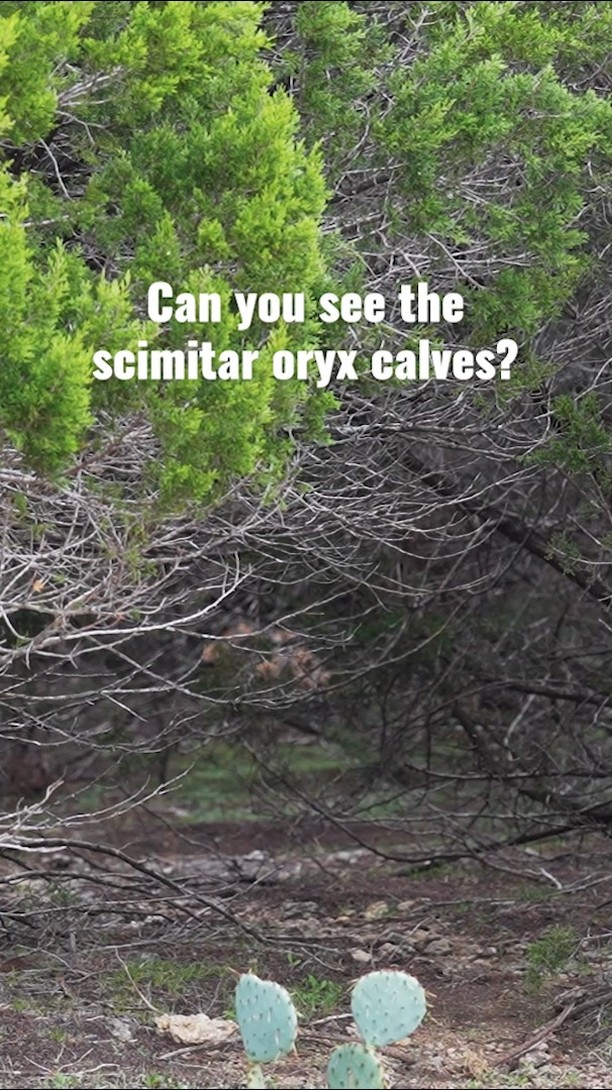
Wildlife observers and park attendees often notice limited sightings of young animals. The absence of visible babies can signal more than just chance; it points to significant environmental and biological factors. Understanding these implications provides critical insights into wildlife management and conservation efforts.
Understanding the Implication of Low Birth Rates in Wildlife
In many wildlife parks and reserves, the absence of newborn animals has been recorded with growing frequency. Low birth rates can be indicative of various stressors affecting populations. These stressors may range from habitat loss to climate change impacting feeding grounds. Wildlife can face challenges that directly inhibit reproduction, such as reduced availability of quality food and increased exposure to pollutants or pathogens.
For example, female elephants may show signs of reproductive stress in areas where food sources are scarce. This circumstance can lead to delayed pregnancies or complications during gestation, leading to fewer calves. Similarly, the striking decline of amphibians in many regions correlates not just with pollution but also with habitat fragmentation, which disrupts their breeding cycles.
Understanding low birth rates in wildlife holds crucial implications for conservation strategies. Our ability to monitor and analyze these statistics provides essential data to experts involved in species preservation. Therefore, acknowledging the absence of baby animals as a symptom of broader ecological issues emphasizes the need for action in wildlife management practices.
Factors Influencing Animal Reproduction
Wildlife reproduction is intricately tied to various ecological and social dynamics. These dynamics include food availability, mating patterns, environmental conditions, and social structures within species. For instance, many mammalian species only reproduce during certain seasons, which can affect the visibility of young animals in a wildlife preserve. Seasonal variations directly influence factors such as temperature and rainfall, contributing to a species’ reproductive success.
In species like deer, the timing of rutting—when males seek to mate with females—can determine the birth rate during specific months. If environmental conditions are unfavorable during this time, female deer may not successfully conceive. Furthermore, social structures play an essential role in animal reproduction. For example, elephant herds have matriarchs that guide herd dynamics. If a matriarch is lost, it can disrupt breeding patterns among the group.
External threats can also deter reproduction. High levels of human interference, predation, and competition for resources can lead to increased stress. Animals that perceive their environment as hostile are more likely to delay or completely avoid breeding. These various factors underscore the complexity of wildlife reproduction, necessitating a deeper understanding and targeted conservation efforts.
Conservation Efforts and Their Impact on Species Populations
Conservation initiatives increasingly aim to address the challenges impacting wildlife populations. By investing resources into habitat restoration and protection, we can enhance conditions for breeding and raising offspring. For example, creating protected areas where human activity is limited can improve the chances of animals reproducing successfully.
Moreover, breeding programs have been established to boost population numbers for endangered species. These programs often take place in controlled environments like zoos or specialized reserves, enabling wildlife managers to oversee every aspect of the breeding process. Interestingly, many zoos contribute to the Species Survival Plan (SSP) for various endangered species, facilitating cooperative breeding efforts between institutions nationwide.
For example, the California condor program has successfully increased population numbers through captive breeding. Once endangered, the population has risen significantly, allowing for reintroduction into the wild. These targeted conservation strategies help reduce the feeling of loss when one notices fewer baby animals in nature.
The Role of Zoos in Breeding Programs
Zoos serve as intricate support systems for the conservation of species facing various challenges in their natural habitats. Through methods such as artificial insemination and genetic management, they can increase the likelihood of successful breeding. The above-mentioned SSP facilitates genetic diversity among captive populations, which is vital for maintaining robust gene pools.
In a structured environment, wildlife professionals carefully monitor reproductive behaviors, ensuring that animals are given the best chances to conceive. Zoos also provide environments that simulate natural conditions, further encouraging breeding behaviors. For instance, the well-thought-out habitats in many modern zoos allow for a more naturalistic living experience.
Education plays a vital role, too. Zoos contribute to public understanding of conservation issues through outreach and engagement programs. By illustrating why observing baby animals is crucial for the environment, zoos inspire support for wildlife preservation. Increased public awareness can lead to higher engagement in conservation efforts, influencing the future of many species.
Observing Animal Behavior for Conservation Insights
Careful observation of animal behavior yields essential insights into their reproductive strategies and overall ecosystem health. Tracking mating rituals, maternal care, and infant survival rates provides valuable data to inform conservation strategies.
For example, by studying lion pride dynamics, wildlife biologists can understand factors that influence breeding success. Noting the behaviors of dominant males and their interaction with cubs helps gauge the well-being of the pride and ensure population stability. Additionally, maternal behaviors such as nurturing, feeding, and protection influence cub survival rates.
Technological advancements also facilitate better observation of animal behavior. Camera traps and GPS collars allow researchers to monitor territories and interactions without human interference. By analyzing movement patterns and social interactions, wildlife managers can make informed decisions about conservation strategies.
Individuals who visit wildlife parks may feel a sense of disillusionment when they do not see babies at first glance. However, as discussed, the absence of young animals likely reflects broader environmental challenges, complex reproductive behaviors, and conservation efforts in action. By understanding these factors, we can deepen our appreciation for wildlife and recognize the ongoing importance of conservation work.
An informed perspective offers a richer experience when observing wildlife. Recognizing the complexities surrounding animal reproduction enhances our understanding of conservation. While few visible babies might seem discouraging, it serves as a reminder of the continuous efforts required to protect species and their habitats. It reinforces the idea that wildlife conservation is a multifaceted endeavor, requiring cooperation from both professionals and the public.
Ultimately, being attentive to these animals and their environments is essential in fostering a sustainable future. Awareness leads to action, encouraging stewardship that benefits wildlife and attempts to bolster their chances for survival and reproduction. The absence of baby animals can lead to insightful questions about the environments they inhabit. Asking these questions can ultimately lead to stronger conservation methods that impact species populations positively. Understanding these elements is vital for anyone interested in the field of wildlife management and the ongoing effort to preserve biodiversity.
*****
Source Description
Not seeing any babies? You might have to look harder.
