
- The significance of animal enrichment in zoos
- Understanding animal behavior through diet
- The role of observation in wildlife management
- The impact of social interactions on animal well-being
- Conservation efforts rooted in public engagement
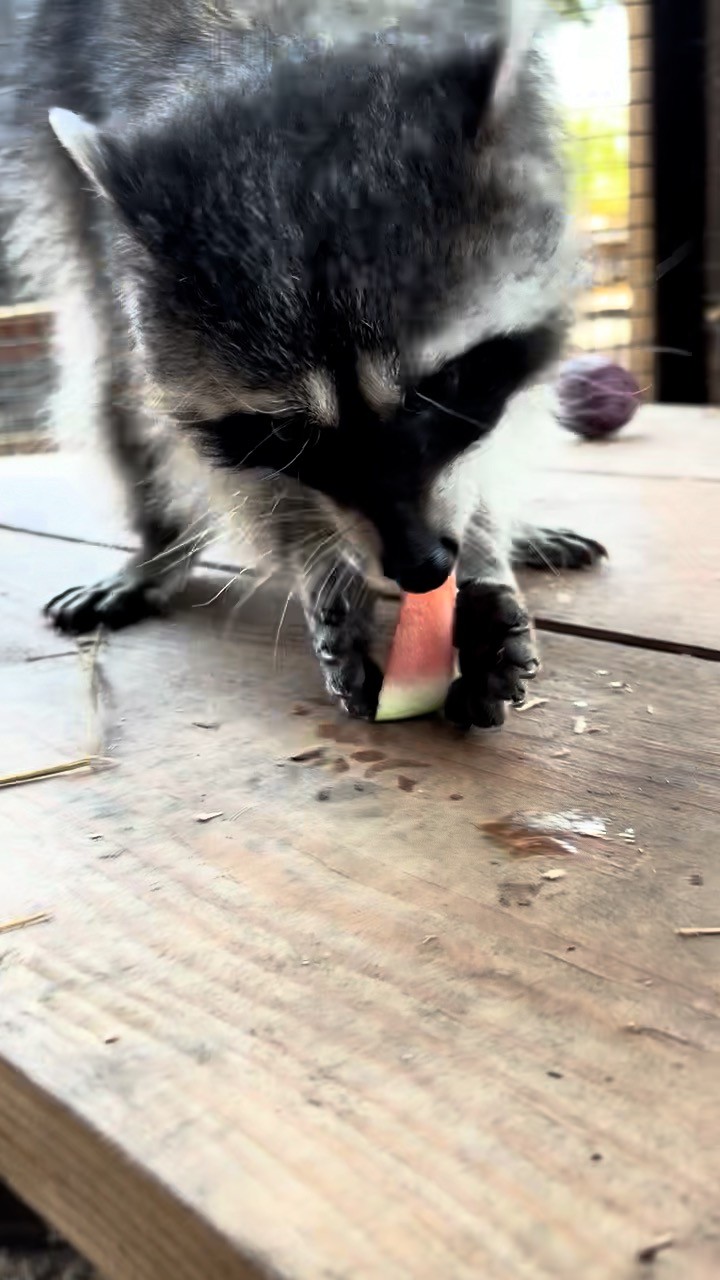
Watching animals interact with their environment provides insights that extend beyond mere entertainment. The moment of observing Sequoia, likely a young animal with a taste for fresh fruit, happily munching on a watermelon slice is reflective of several critical topics in animal care, zoo management, and wildlife conservation. The simplicity of the scene conveys much about the joys of animal behavior, the importance of their diet, and the broader implications for conservation education.
Animal enrichment is an essential aspect of modern zoo management. It refers to the various strategies employed to enhance the living conditions of animals in captivity. Straightforward yet crucial, enrichment tools offer animals the opportunity to express their natural behaviors and engage with their environment meaningfully. The choice of a watermelon slice shows how a simple dietary inclusion can contribute to an enriching experience. Watermelon is hydrating and flavorful, which can stimulate animals that might be stuck in a monotonous routine.
Enrichment has physical and psychological benefits. Enriched environments help reduce stress and prevent the development of stereotypical behaviors, such as pacing or over-grooming. These behaviors often emerge in animals that lack mental stimulation and physical challenges. A balanced enrichment program will involve various types of stimuli, including food puzzles, social interactions, and sensory activities. The act of Sequoia using her “dextrous little hands” to manipulate the watermelon slice exemplifies behavioral enrichment, showcasing an ability to engage with an object independently.
Observing animals during feeding times, especially during such joyful interactions, provides valuable data. Animal behaviorists study how animals interact with their food to gain insights into their natural instincts and preferences. This observation is crucial for improving zoo animal diets. An animal’s diet influences not just health but also social dynamics and stress levels. For instance, if an animal enjoys a particular fruit, that can enhance its willingness to engage with caregivers or exhibit playful behaviors. Implementing a diverse and appealing diet significantly contributes to a happier, healthier captive environment.
Behavioral observations also lead to valuable insights into the social structures of animal communities, whether in zoos or the wild. Many species, from elephants to primates, thrive in social groups. Their interactions reveal much about dominance hierarchies, bonding behaviors, and individual personalities. When Sequoia interacts socially with other animals during feeding, one can witness not only competition for resources but also cooperative behaviors.
Animal body language during feeding—tail flicks, ear positions, or vocalizations—can signal comfort levels and social status. Understanding these cues helps caregivers address the environmental needs of residents and facilitate interactions that promote group cohesion, ultimately enhancing overall well-being. Knowledge of social dynamics aids in better habitat design and grouping strategies, promoting a more natural living environment that can minimize stress.
The interaction between animals reveals critical information that informs the practices of zoo management. As a facility continues to operate in a more conservation-focused framework, more attention is paid to ensuring that herd dynamics are respected. By encouraging natural interactions and relationships, zoos can simulate natural conditions, which animals thrive in. Public engagement can be an astonishingly effective tool in promoting education and awareness surrounding these issues.
Conservation efforts benefit tremendously from the public’s understanding of animal care practices and the complexities involved in sustaining wildlife habitats. The act of observing Sequoia eating watermelon transcends entertainment; it generates awareness about animal needs and their respective environments. When people recognize how their behaviors contribute to the well-being of animals, they are more likely to support conservation initiatives.
Educational programs in zoos have the potential to bolster conservation efforts. By providing informative encounters, zoos can promote understanding of habitat loss, poaching, and climate change— all factors that negatively affect wildlife populations. When visitors witness the joy of a creature eating a favorite food, they become more invested emotionally. This connection inspires individuals to participate in conservation activities and support wildlife protections more actively.
The act of feeding animals in controlled environments also presents an opportunity to discuss larger environmental issues. For instance, watermelon may not be a natural food source for every animal; thus, discussions on selective breeding practices can emerge. Zoos can introduce audiences to the importance of feeding practices that align more closely with a species’ natural habits in the wild. This perspective helps bridge the gap between captivity and natural habitats, reinforcing the notion that ethical considerations are fundamental in wildlife management.
Engaging with the public through immersive feeding experiences can highlight ethical concerns while creating a caring and informed community. Allowing visitors to participate in feeding demonstrations or volunteer during conservation activities can deepen their connection to animals and the environment. These experiences underscore wildlife’s multifaceted needs and the broader implications of their well-being.
Logistical considerations also play a significant role in the overall success of zoo management. The acquisition and preparation of food resources, such as watermelon, must be carefully planned. Caregivers need to understand dietary requirements, nutritional balance, and sourcing locally when possible. Sustainable practices in sourcing food can emphasize a zoo’s commitment to environmental stewardship.
Additionally, addressing food security for animals in captivity can parallel broader agricultural issues. Understanding how diet affects digestive health illustrates a holistic view of animal management, reminding us of the interconnected nature of ecosystems. Such discussions between zoology, animal husbandry, and conservation help foster an integrated approach to wildlife management.
The significance of animal welfare extends into the broader conversation of conservation and environmental protection. A happy animal is not merely a reflection of comfortable captivity; it indicates a system that encourages natural behaviors while advocating responsible conservation methods. Each healthy interaction, such as watching Sequoia enjoy watermelon, serves as a moment to inspire change, both within animal care facilities and in the public mind.
Over time, as we embrace the knowledge gained from observing animal behaviors and interactions, the hope is that more individuals will contribute to a global movement. Through nurturing an appreciation for wildlife, we cultivate a powerful force for conservation efforts. Encouraging involvement beyond the zoo, inviting visitors to engage with local environment initiatives, further drives the point home.
A single joyful moment, like Sequoia meticulously consuming a watermelon slice, embodies the core of animal well-being. By recognizing diet, behavior, social interactions, and public engagement as interwoven themes, we can encourage a better future for wildlife. Each observation not only contributes to our understanding but also inspires us to advocate for a world where animals thrive, whether in captivity or the wild.
In each visit to a zoo, we hold the potential to witness joy reflected in the eyes of an animal at play. Each moment close to wildlife challenges us to take proactive steps toward conservation. Sequoia’s watermelon moment is not merely an image; it symbolizes the broader and vital conversations we must continue as stewards of our planet’s diverse life forms.
*****
Source Description
“You look happier.”
“Thanks. I just watched Sequoia eat a watermelon slice with her dextrous little hands.”
