
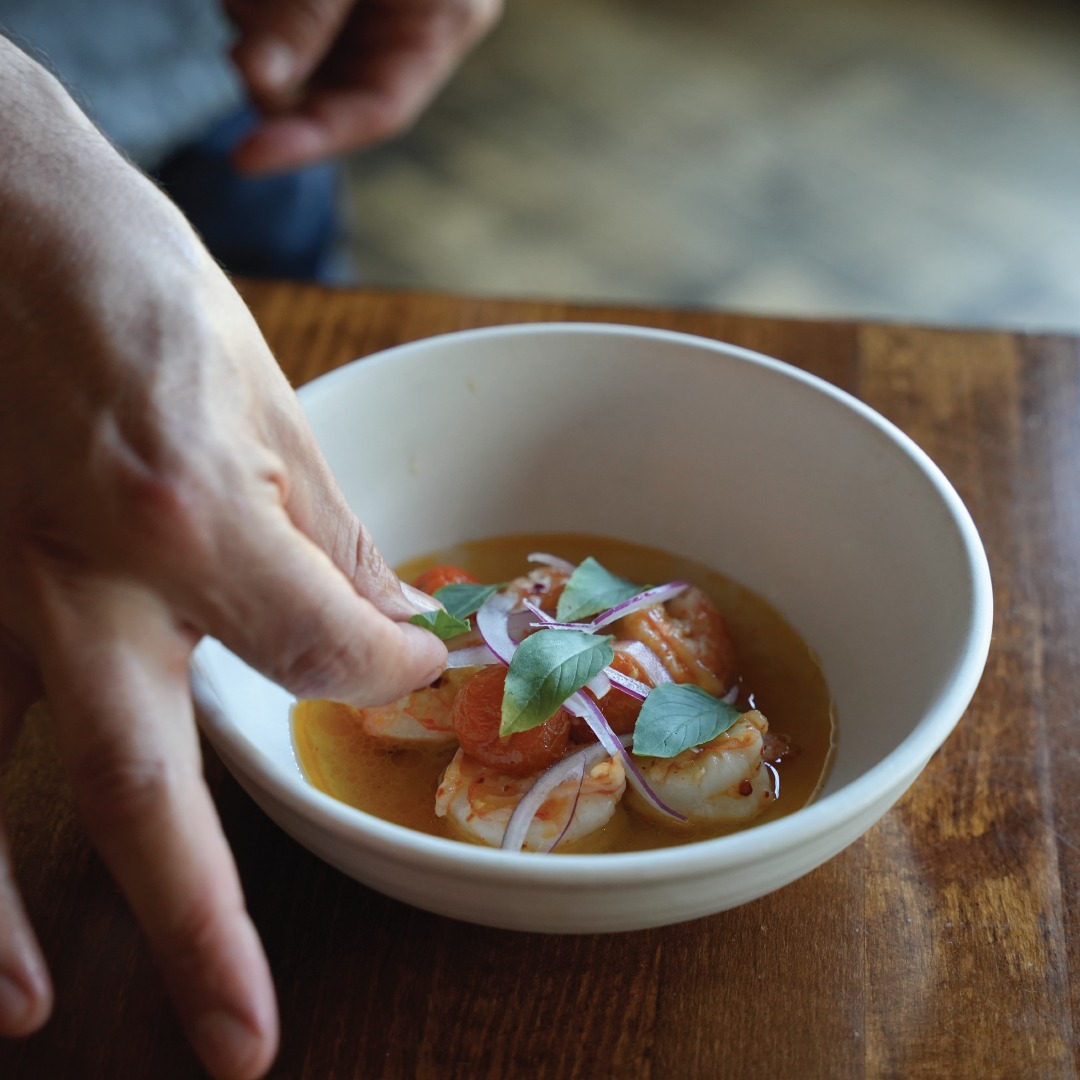
- October as a month of celebration: Pumpkin spice, cozy nights, and local seafood
- The cultural importance of pumpkin spice and its seasonal associations
- The benefits of eating local and sustainable seafood
- The impact of October’s National Seafood Month on community and ocean health
- Practical tips for integrating local seafood into fall culinary traditions
October signifies a shift. Nature dons vibrant hues, and the air carries a crispness that elicits memories of cozy nights. This month invites us to enjoy various seasonal delights, from the ubiquitous pumpkin spice to preparations for National Seafood Month. Both traditions highlight the importance of local and sustainable choices, thereby enriching our culinary experiences while supporting our environment.
Pumpkin spice, a blend of cinnamon, nutmeg, ginger, and cloves, has become synonymous with autumn. It adds warmth to lattes, baked goods, and even savory dishes. The rise in popularity of pumpkin spice is seen more than just as a trend; it signifies a cultural connection to the season. Social media buzzes with pumpkin-infused recipes, local cafes tout their signature autumn offerings, and families gather to create homemade treats. This blend serves as a comforting staple, often igniting nostalgic sentiments tied to changing leaves, bonfire gatherings, and the anticipation of upcoming holidays.
Beyond its taste, pumpkin spice symbolizes the heart of October—a time marked by togetherness, cozy gatherings, and heartfelt conversations. It sets the backdrop for family recipes and community events, creating a tapestry of shared experiences. As people host seasonal get-togethers, they often incorporate this beloved flavor, generating conversations about sustainable eating practices alongside the warmth of autumn comforts.
As we savor pumpkin spice, we must also take time to reflect on our food choices. October is not only about cozy nights and enhancing dishes with seasonal spices; it also coincides with National Seafood Month, an important occasion for seafood lovers and environmental advocates alike. This month encourages a dialogue about the seafood we consume, particularly the benefits of sourcing seafood locally. As overfishing continues to threaten stocks worldwide, opting for local and sustainably sourced seafood becomes increasingly vital.
When community members choose local seafood, it signals a commitment to preserving ocean health. Ocean ecosystems are intricate, and sustainable practices help maintain balance within them. Unsustainable fishing methods, such as trawling or using dynamite, can destructively impact marine habitats. By choosing seafood caught through responsible methods, consumers not only support ethical practices but also encourage fishers to operate sustainably. This choice protects not just the fish but also the broader marine environment, which hosts countless species integral to our planet’s health.
Locally sourced seafood doesn’t just mitigate environmental harm—it also supports local economies. Coastal communities thrive on sustainable fishing practices, and by purchasing directly from local fishers, we engage in a relationship deepening community ties. Opting for locally caught fish provides consumers with fresh options, often taking much less time to reach the table compared to imported alternatives. Eating local seafood minimizes transportation impact and enhances support for the keys of our community’s economic fabric.
Moreover, October is a month where the abundance of seasonal harvests coincides with high fish availability. This convergence provides perfect opportunities to highlight local seafood within comforting fall meals. Simple preparations, like grilling fresh fish, enhance flavors and celebrate seasonal ingredients. Restaurants and markets often feature these treasures in seasonal specials, drawing attention to locally available produce and seafood. Customers are encouraged to explore combinations like pumpkin-spice-infused sauces accompanying fresh fish or a fall-inspired seafood chowder.
To fully engage with the concept of local seafood, individuals can practice a few straightforward strategies. First, visiting local seafood markets or community-supported fisheries (CSFs) helps consumers understand what fish are in season. These outlets often provide information about the sustainability practices behind the catch, allowing consumers to make informed decisions. The freshness and taste of locally sourced fish often surpass those that travel long distances, enhancing culinary experiences.
Cooking with seasonal ingredients is another effective way to connect with local seafood. Think of integrating flaky white fish into hearty pumpkin-based stews or showcasing shellfish in warm, flavorful dishes, rendering them perfect for crisp evenings. Exploring diverse recipes inspires creativity and supports local fisheries. Many local chefs also experiment with their menus during this time, incorporating both seafood and pumpkin spice into their dishes. This not only celebrates local abundance but also invites diners to enjoy dishes that tell a story about their community.
Participating in community events can further amplify knowledge and appreciation of seafood traditions. Many coastal towns host seafood festivals in October, showcasing local catches through tastings, cooking demonstrations, and educational talks. These events foster a sense of community and create platforms for raising awareness about ocean conservation practices. They also provide opportunities to network with fishers, understand their challenges, and garner support for sustainable initiatives.
As we showcase the benefits of choosing local seafood, it’s critical to remember its environmental and economic implications. Sustainable fishing practices help preserve marine environments, while local purchasing strengthens community bonds. By focusing on fresh ingredients, consumers can craft flavorful fall dishes that not only provide comfort but also tie back to local traditions.
October presents an opportune time to combine the season’s cozy aesthetic with a commitment to sustainable living. The popularity of pumpkin spice creates a warm space for conversations about local food production and the environmental impacts of our choices. As we indulge in these flavors, the message becomes clear: caring for our surroundings enriches our dining experiences.
In this way, pumpkin spice and local seafood are symbols of October, serving not only as comforts for the body but reminders of the relationship between local practices and environmental stewardship. By engaging with these seasonal favorites, individuals become part of a vital conversation about sustainability. Opting for local seafood nurtures not just our immediate surroundings but also the richness of our culinary culture.
So, as the weather cools and the leaves begin to fall, let this October inspire a celebration of both pumpkin spice and local seafood. It’s an opportunity to enjoy comforting meals, share recipes, and deepen conversations about sustainability and community. Each savory bite supports local economies, promotes environmental health, and satisfies our craving for connection during this enchanting time of year. Making these mindful choices leads to nourishment for both body and spirit, forming a relationship that strengthens our communities and our oceans.
This October, let the embrace of pumpkin spice and the allure of local seafood guide you in celebrating the joys of the season while being conscious of our choices. Each meal becomes not just an indulgence but an acknowledgment of our responsibility to care for the world we inhabit.
*****
Source Description
Pumpkin spice, cozy nights and… a monthlong celebration of local bites!
October is National Seafood Month, and it’s the perfect time to savor your cozy fall favorites and dive into the impact of choosing locally and sustainably sourced seafood! By choosing local, you’re protecting the health of our ocean, supporting your neighbors in the seafood industry and starting dialogues with friends and family.
Learn how can you reel in those local options all year long at the link in our bio!
.
.
.
