
- Shellmounds as Cultural and Spiritual Sites
- The Role of Shellmounds in Ohlone Burials and Gatherings
- The Ecological Importance of Shellmounds
- The Ohlone Garden on the Academy’s Living Roof
- Collaborative Efforts in Preserving Ohlone Heritage
Shellmounds in the San Francisco Bay Area served as significant sites for the Ohlone people, marking essential cultural, spiritual, and ecological practices. Constructed over centuries, these monumental earthworks played a vital role in connecting Indigenous communities with their ancestors, nature, and each other. A testimony to Ohlone heritage, shellmounds reflected a deep understanding of ecology and sustainable practices. As sites of burial and gathering, they are a window into the past while holding contemporary importance in environmental stewardship.
The shellmounds of the Bay Area represent a foundational component of the Ohlone worldview. These mounds symbolized the community’s relationship with the land and acted as a physical reminder of ancestral ties. Archaeological studies suggest that these mounds were constructed primarily from the shells of fish, marine animals, and other organic materials, accumulating over time. Each layer of shells encapsulates the stories and experiences of generations. The mounds were often chosen for their locations, emphasizing the importance of specific landscapes in Ohlone culture.
Burial customs are intertwined with the purpose of shellmounds. They served as sacred areas where Ohlone people interred their dead, linking them to the physical environment and the cycle of life and death. These sites allowed for communal mourning and remembrance, creating a space for families to gather and honor their loved ones. This sense of community not only fostered bonds among family members but also emphasized a collective identity rooted in place and tradition.
In addition to burial practices, shellmounds were gathering areas for various communal activities, including feasting, ceremonies, and storytelling. The larger mounds could accommodate many individuals, highlighting the significance of communal ties. Rituals conducted in these places often emphasized reciprocity with nature, establishing a balance between human needs and ecological stewardship. The Ohlone practiced sustainable fishing, foraging, and cultivation, which allowed their culture to thrive in harmony with their surroundings.
Shellmounds also illustrate the ecological importance of the region. The coastal and estuarine environments provided diverse ecosystems that supported ample flora and fauna, crucial for sustenance. The mounds themselves contributed to local biodiversity. The accumulation of organic materials over time created fertile soil, allowing for a rich variety of plant life, which in turn attracted numerous animal species. These interactions reflect the Ohlone understanding of ecological balance, showcasing how land management strategies ensure the health of the ecosystem.
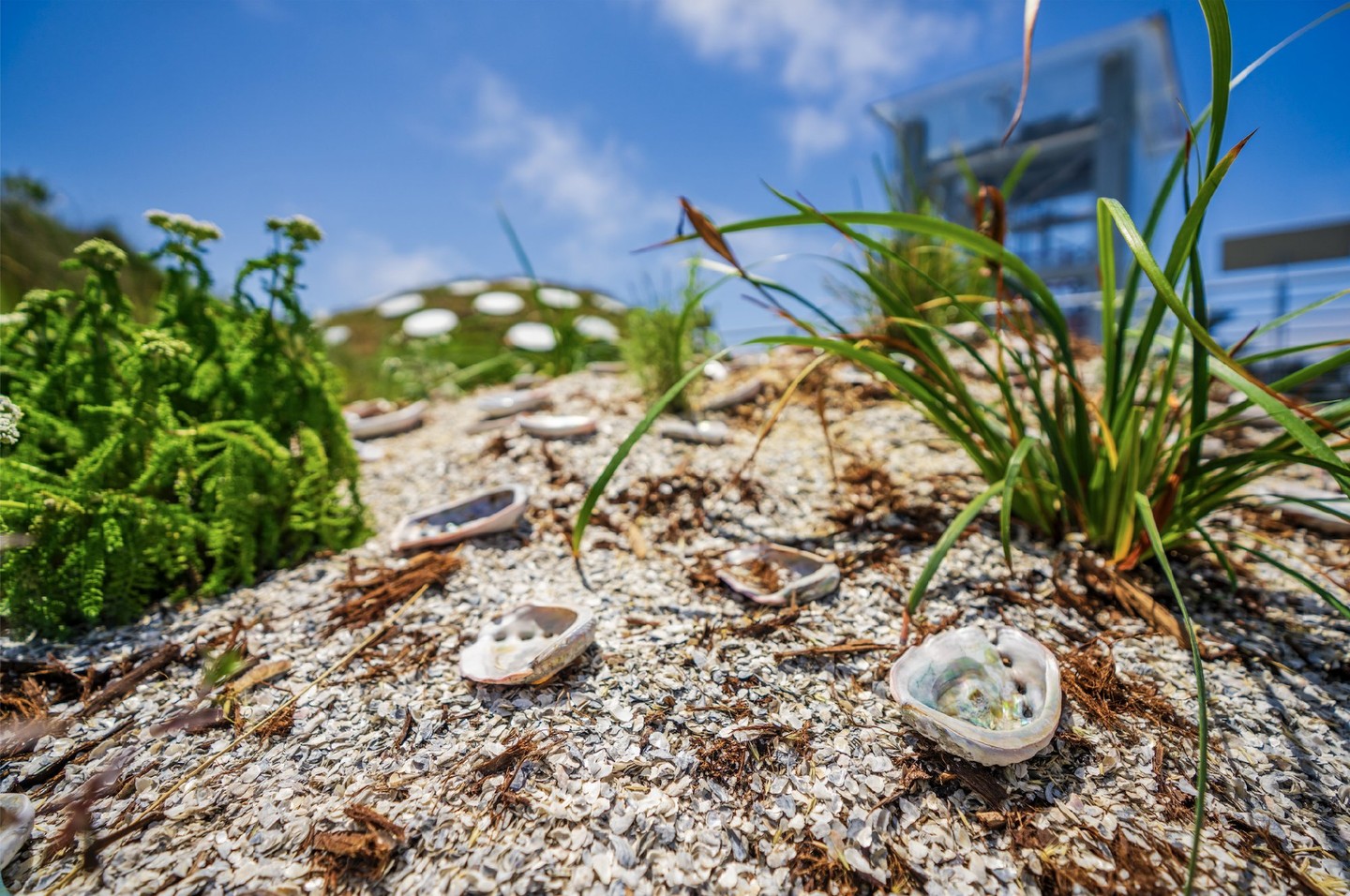
As part of ongoing efforts to preserve Ohlone heritage, the Ohlone garden on the Academy’s Living Roof reflects these traditions. Created in partnership with cultural leaders Vincent Medina and Louis Trevino from Cafe Ohlone, the garden utilizes native plants significant to the East Bay Ohlone community. These plants were historically used for medicine, food, and basketry, ensuring that cultural knowledge surrounding these species is maintained. The delicate integration of abalone and oyster shells in the design mirrors the shellmounds that played such an integral role in the Ohlone way of life.
Medina and Trevino’s work is pivotal in revitalizing Indigenous practices and recognizing their contributions to environmental stewardship. By collaborating with Academy staff, they planted native bunchgrass seeds on the mound. These grasses will serve multiple ecological functions, including providing habitat and nesting materials for local wildlife. This planting symbolizes a commitment to environmental sustainability, reflecting the Ohlone understanding that humans are part of the ecosystem and must work in unison with it.
The incorporation of traditional Ohlone practices into modern conservation efforts is essential. Perhaps the most vital lesson from the shellmounds pertains to the view that humans are not separate from nature. Indigenous stewardship emphasizes the interconnectedness of all living things. Recognizing this relationship invites deeper inquiry into how modern society engages with the environment. The shellmounds serve as cultural landmarks that offer insight into sustainable living while advocating for the preservation of biodiversity.
Furthermore, the broader context of shellmound preservation is vital in contemporary discussions of Indigenous rights and land acknowledgment. Many shellmounds are threatened by urban development and environmental changes, diminishing their cultural and ecological value. Efforts by the Ohlone community to reclaim and protect these sites are crucial in maintaining their historical significance and cultural practices. Collaborative initiatives provide platforms for Indigenous voices, promoting active participation in the conservation of these sacred sites.
Education plays a central role in these efforts. Integrating conversations about shellmounds into public discourse fosters greater awareness of Indigenous histories and the value of ecological conservation. Museums, educational institutions, and community organizations can further enhance collaborations that respect Indigenous knowledge while promoting sustainable practices. Programs focused on traditional Ohlone ecological practices could provide insights into conservation methods that prioritize biological diversity and habitat restoration.
In retrospect, shellmounds encapsulate the historical and ecological essence of the Ohlone people. Their roles as burial sites and gathering areas fostered community bonds while highlighting a way of life deeply intertwined with the land. The ongoing efforts to cultivate a restorative relationship with the environment resonate in contemporary conservation strategies.
The Ohlone garden on the Academy’s Living Roof is a manifestation of this ongoing relationship, showcasing plants integral to the Ohlone experience. Collaborative efforts by cultural leaders amplify the significance of these traditions, ensuring their survival amidst modern challenges. In appreciating shellmounds, we not only acknowledge a vital aspect of Indigenous heritage but also gain insight into sustainable living practices that can guide future conservation initiatives.
Exploring shellmounds provides crucial perspectives on human relationships with the environment, underscoring the importance of recognizing cultural histories in ecological discussions. This understanding fosters a shared vision for a sustainable future, where the lessons of the past inform the actions of today. The Ohlone legacy continues to inspire efforts in wildlife conservation and environmental stewardship, inviting a greater appreciation for both nature and the ancestral knowledge that guides it.
*****
Source Description
Shellmounds, sacred Ohlone sites used as burial places and gathering areas, were constructed by Indigenous people to connect with their ancestors, with each other, and with the land. Shellmounds can be found throughout the Bay Area – and they helped inspire the design of the Ohlone garden on the Academy’s own Living Roof.
Created in partnership with cultural leaders Vincent Medina and Louis Trevino from Cafe Ohlone (@makamham), the garden features plants that hold significance to the East Bay Ohlone community, and is adorned with abalone and oyster shells. Medina and Trevino joined Academy staff to scatter seeds of native bunchgrass on the mound, providing a food source and nesting material for new life. Shellmounds underscore that humans are not separate from nature, but are a part of it.
