
- The social behaviors of scimitar-horned oryx calves
- The significance of paternal bonds in oryx society
- Implications for zoo management and animal welfare
- Conservation status and efforts surrounding the scimitar-horned oryx
- Observations of affectionate behaviors among oryx calves
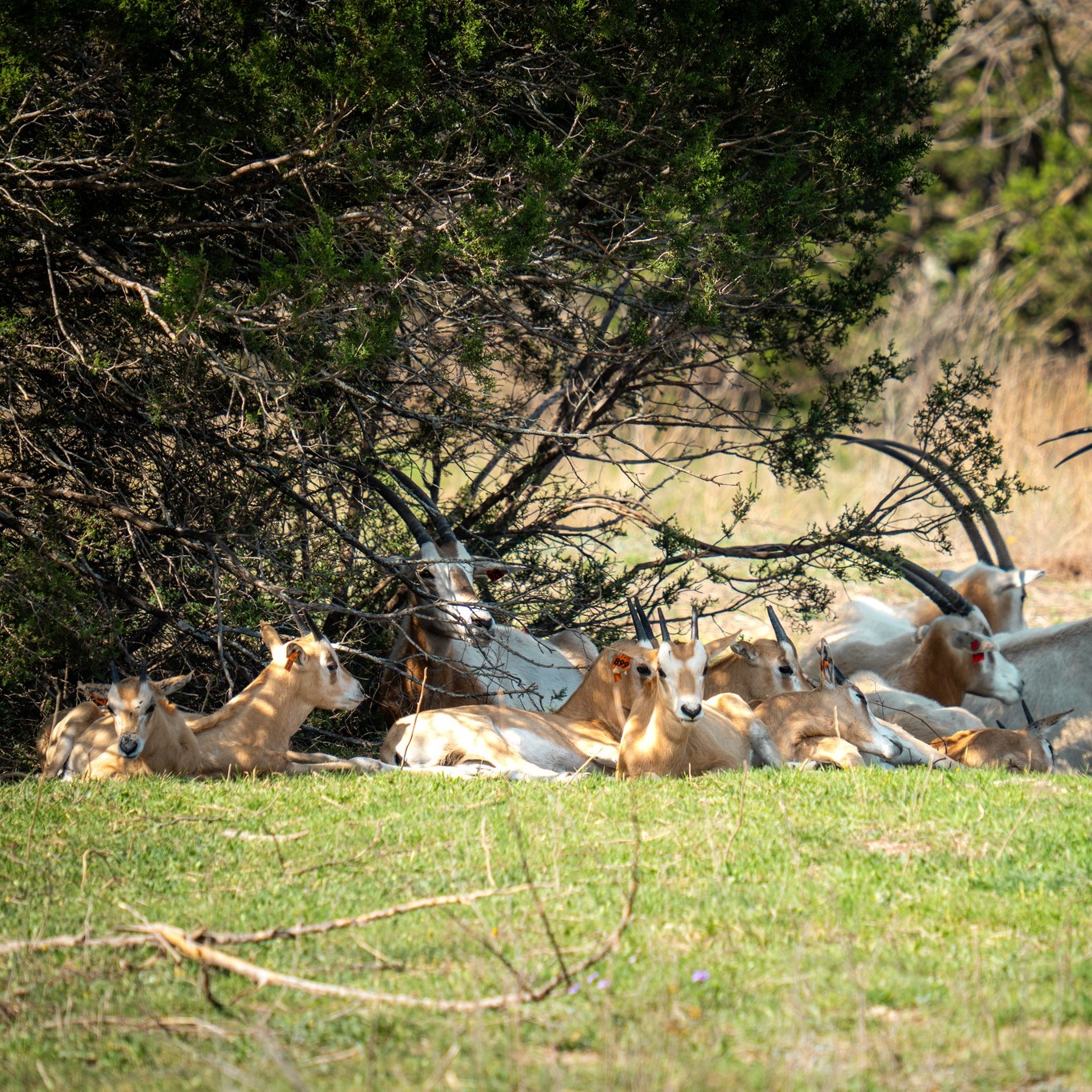
The scimitar-horned oryx (Oryx dammah) is known for its striking appearance, with long, curved horns and a sandy coat that provides excellent camouflage in the arid habitats it once roamed. As a species, the scimitar-horned oryx has faced severe population decline, leading to its extinction in the wild in the early 2000s. Despite this, captive breeding programs have become pivotal in managing their populations. Recent observations of calves show varied social preferences; some thrive in group settings, relishing the warmth of what can be termed a “cuddle puddle,” while others exhibit a preference for solitary bonding moments with their fathers. Understanding these behaviors is crucial for both the management of zoo populations and the broader context of conservation efforts.
The social behaviors of scimitar-horned oryx calves can be quite intricate. Herd dynamics play a significant role in their early development. These calves typically stay close to their mothers for the first few months of life, relying on physical and social interaction for survival and well-being. Group settings provide safety from predators, opportunities for social learning, and a warm environment to foster attachment. The phenomenon of “cuddle puddles,” where several calves come together to rest and play, can be an essential part of their early socialization. This behavior helps them develop vital social skills, including bonding with peers and learning to navigate social hierarchies.
Observations of group interactions have shown that calves engage in play behavior that is crucial for developing motor skills and exploring their environment. This playful mixing not only provides energy outlets but also aids in stress relief. Calves that participate in these social gatherings often exhibit improved behavior as adults, displaying better adaptability to new environments and less anxiety in social situations.
In contrast, not all calves prefer the social aspects of herd life. Some exhibit a tendency to seek solitude, often gravitating to their fathers for one-on-one interactions. This preference may stem from different levels of temperament and individual personality traits. Paternal bonds can be just as important as maternal ones, serving to enhance a calf’s survival instincts. The male oryx provides not only protection but also a model for appropriate behaviors during early development. Research has indicated that these father-calf interactions can foster confidence and provide calves with critical life lessons on foraging and avoiding dangers.
The importance of paternal bonds is critical in understanding the dynamics of scimitar-horned oryx social structures. While females primarily rear the young, fathers play a fundamental role in shaping their behavioral repertoire. Observing the nuances of these interactions can enrich the breeding programs aimed at reviving the species. Zoo management that prioritizes these paternal connections may witness increased well-being in calves, thereby contributing to successful captive breeding and eventual reintroduction efforts.
In zoological settings, the implications for zoo management and animal welfare are profound. Recognizing the varied social preferences among oryx calves allows zookeepers to create environments that fulfill their psychological needs. This can involve social arrangements that consider the preferences of individual animals. For instance, areas designated for social play and others allowing for calmer, solitary moments can enhance the overall quality of life for these animals in captivity.
Essential practices for zoo management include understanding the importance of environmental enrichment. Varied habitats equipped with hiding spaces, tactile materials, and social partners can cater to both the gregarious and solitary tendencies observed in scimitar-horned oryx. Regular behavioral assessments provide managers with essential data to tailor environments and allow for adaptations to improve animal welfare steadily.
Beyond the walls of zoos, the conservation status of the scimitar-horned oryx is a pressing concern. Listed as extinct in the wild, these animals were once widespread across North African savannas. However, habitat loss due to agriculture, hunting, and climate change has critically endangered this species. Modern conservation efforts have shifted focus toward breeding programs and habitat restoration. Successful reintroduction initiatives are gaining momentum, signifying hope for future populations.
These conservation efforts involve collaboration among various stakeholders, including governmental bodies, non-profits, and zoological institutions. Ensuring the long-term survival of scimitar-horned oryx in natural habitats requires a multi-faceted approach involving habitat restoration, community education, and law enforcement against poaching. Increasing awareness and financial support for these initiatives can create more substantial impacts, as the scimitar-horned oryx serves as a keystone species within its ecosystem.
Recent studies focusing on the social behaviors of oryx calves reveal a wealth of affectionate interactions, most prominently displayed in the form of playful behaviors and physical closeness. Observational studies have documented moments of calf interactions which highlight the basis of strong social bonds. The cuddling behaviors observed among calves are not merely playful; they also serve crucial physiological functions. Cuddle puddles can help calves maintain their body temperature and reduce stress levels.
The emotional states of these animals during early life are pivotal for their long-term mental and social health. Initiatives aimed at improving social interactions among calves have seen positive outcomes. Scimitar-horned oryx populations that benefit from increased social contact demonstrate lower levels of aggressive behavior and enhanced playfulness.
As zoos adapt to modern standards of animal welfare, enhanced socialization opportunities for scimitar-horned oryx become increasingly vital. Encouraging group interactions alongside one-on-one bonding with fathers cultivates healthy emotional environments, laying the groundwork for resilient adult animals. This balance not only enriches their lives in captivity but prepares them for potential reintroduction efforts.
Understanding the complexities of social behaviors among scimitar-horned oryx calves is far from trivial. It involves expertise in behavioral science, animal husbandry, and a commitment to conservation. The collective efforts in zoo management, conservation programs, and research all contribute to refining our understanding of these behaviors.
The observation of social structures among scimitar-horned oryx adds layers to the ongoing conversation about what it means to provide effective animal care in captivity. Varied preferences for socializing can offer insights into not only individual personalities but also overall species health. Knowledge about the diverse behaviors and social needs of oryx informs better practices within zoos and is essential for future conservation initiatives aimed at reviving the scimitar-horned oryx in the wild.
Ultimately, the importance of nurturing the social dynamics of scimitar-horned oryx calves extends beyond individual well-being. It opens avenues for greater conservation impact through improved population stability and successful reintroduction strategies. Understanding how these calves interact, bond, and learn from each other and their fathers lays a foundation for enduring efforts in zoology and wildlife conservation alike.
*****
Source Description
Some scimitar-horned oryx calves prefer the cuddle puddle, some just want solo time with dad.
