
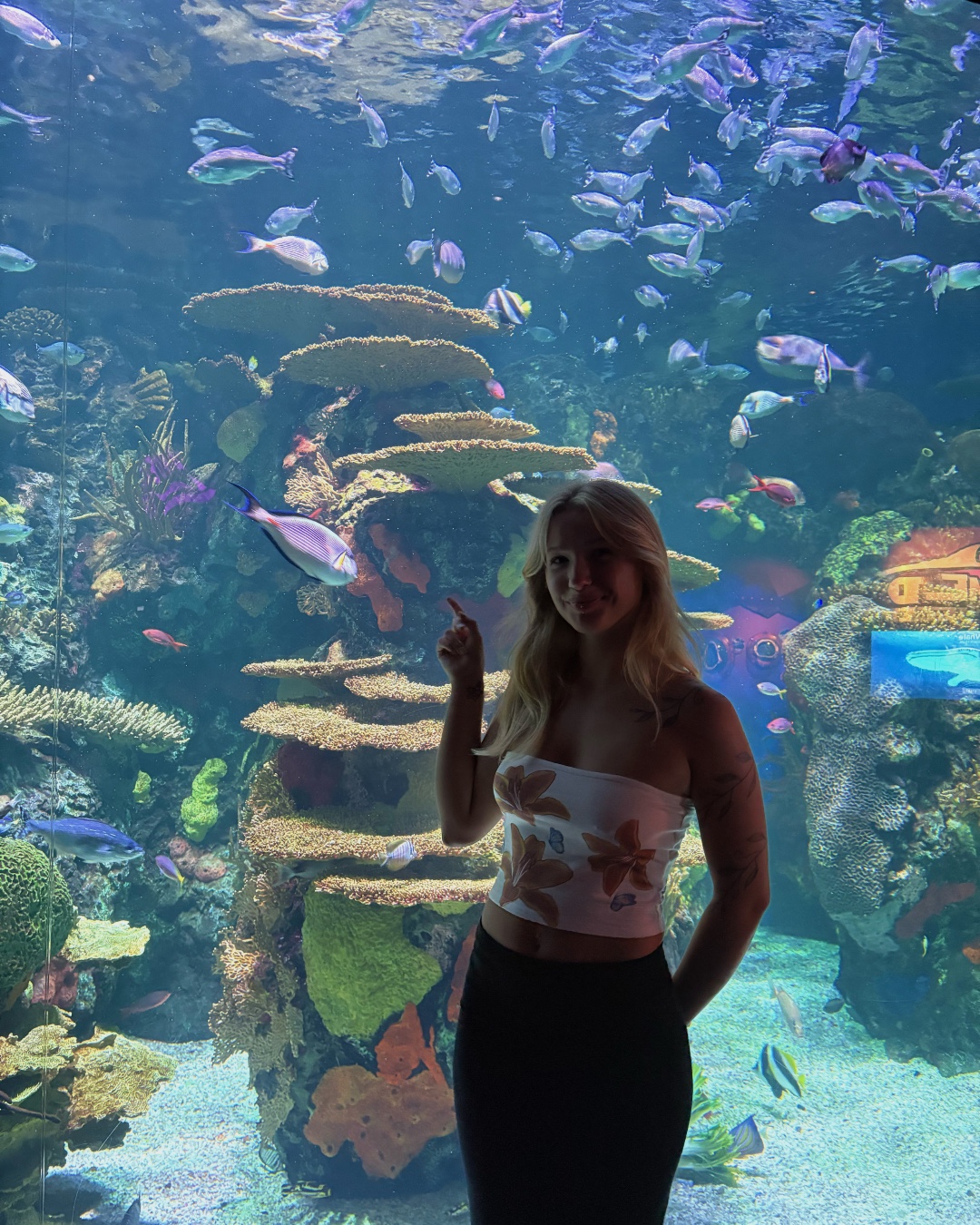
- Explore the behavior and social structures of fish that enable them to appear organized in group photos, and the science behind it.
- Discuss the ecological significance of fish schooling behavior and its evolutionary advantages.
- Analyze the challenges and strategies involved in capturing underwater group photos of fish in terms of photography and zoo management.
- Highlight the role of aquariums and conservation efforts in fostering public appreciation and understanding of aquatic life.
- Engage the community by encouraging participation in tagging and sharing fish “shell-fie” photos.
Fish have an enchanting way of moving as one, a phenomenon that fascinates scientists and nature lovers alike. This captivating display is not just a mere fluke of nature; it highlights the intricate behaviors and social structures within fish communities. What makes our fish able to “master the art of the group photo”? Let’s delve deep into the scientific basis, ecological importance, and role of photography in fish conservation.
Behavior and Social Structures
Fish exhibit a unique group dynamic that enables them to align and move together seamlessly. This behavior, known as schooling, results from individual fish responding to specific visual cues from their neighbors. Sensory organs such as the lateral line system allow fish to detect movements in water, helping them maintain speed and direction with remarkable synchrony.
Schooling behavior is an evolutionary adaptation crucial for survival. Being in a group provides numerous advantages, including protection from predators through the dilution effect and confusion tactics. It also enhances foraging efficiency, allowing fish to locate and exploit food sources more effectively as a unit. These behaviors, deeply embedded in their biology, are what create the appearance of well-orchestrated group photos, a testament to their complex social systems.
Ecological Significance and Evolutionary Advantages
The ecological role of fish schooling cannot be overstated. Schools play a vital part in maintaining the health of marine ecosystems. By synchronizing movements, fish can minimize energy expenditure, which is crucial for survival in environments where energy efficiency defines evolutionary success.
Furthermore, schooling behavior allows fish to cover larger areas and access resources that solitary fish might miss. This cooperative behavior underpins the stability and resilience of aquatic ecosystems. It’s a brilliant example of how individual actions contribute to the group’s overall success.
Fish schools are also indicative of healthy marine environments. The preservation of such habitats is critical, as disruptions due to pollution or climate change can impair these natural behaviors, affecting biodiversity and ecosystem services.
Capturing Underwater Group Photos
Photographing fish in their watery habitats presents its own set of challenges. Understanding the behavior of fish is fundamental for photographers aiming to capture these mesmerizing displays. Having knowledge of when and where fish tend to school is vital.
Lighting plays a crucial role in underwater photography. Water absorbs and scatters light differently than air, necessitating specialized techniques to capture clear and vibrant images. Photographers often use strobes or artificial lights to mitigate these challenges, enhancing visibility and ensuring that the brilliant colors of fish are accentuated.
Technical skills aside, patience and timing are essential. Fish are dynamic subjects, constantly moving and rarely stationary. Capturing that perfect “shell-fie” involves anticipating their movement and being ready to snap at the opportune moment. This artistry in photography offers a new perspective on the aquatic world and helps engage the public in marine conservation efforts.
Aquariums and Conservation Efforts
Aquariums play a significant role in the promotion of fish conservation. They offer an accessible platform for people to learn about marine life and the importance of preserving natural habitats. By showcasing fish in group settings, aquariums can educate visitors on the social dynamics and ecological significance of schooling behavior.
Conservation programs often collaborate with aquariums to breed endangered species and reintroduce them into the wild. These initiatives are essential for maintaining biodiversity and combating the adverse effects of human activities on marine environments. Educating the public on the importance of sustaining these ecosystems encourages responsible actions and support for conservation efforts.
Community Engagement through Photography
Encouraging enthusiasts to capture and share their own “shell-fies” can foster a community of like-minded individuals committed to marine conservation. By tagging and sharing these photos, individuals contribute to raising awareness about aquatic life and the need for its protection.
Social media provides a platform for these stunning images of fish group photos to reach a broad audience. Engaging the community through challenges and contests can inspire more people to appreciate and support efforts to conserve our oceans.
Overall, whether through vibrant images or the knowledge shared by aquariums, there is a collective benefit in showcasing the intricate beauty of our fish and their environments. This connection between behavior, photography, and conservation efforts illustrates the broader picture of how we can, and should, work together to preserve the incredible life beneath our oceans’ surfaces.
*****
Source Description
Our fish have mastered the art of the group photo. 🐠
Show us who swam into your SHELL-fie by tagging us, and YOU could be featured!
📸: @breannawayy
