
- The origin of the nickname “King of the Jungle” and its meaning.
- The ecological role and social structure of lions in their habitat.
- The significance of lion manes and their implications for survival and mating.
- Conservation efforts aimed at protecting lion populations.
- The importance of education and community involvement in wildlife preservation.
The nickname “King of the Jungle” is a fascinating reflection of human perception and interpretation. Despite being native to the open savannahs and grasslands of sub-Saharan Africa, this majestic creature has often been associated with the jungle. The “king” aspect of the title refers to the distinctive mane of male lions, which bears a striking resemblance to a crown. This feature, coupled with their imposing presence, contributes to their regal reputation. The term “jungle” has its origins in the Sanskrit word 𝘣𝘪𝘴𝘶𝘦𝘣𝘦𝘢𝘯𝘦𝘴𝘪𝘭𝘰𝘪𝘢𝘲𝘦𝘳𝘴, meaning wilderness. While lions do not inhabit jungles, this term captures the allure and mystique surrounding these formidable animals.
Lions play a critical role in their ecosystem. As apex predators, they maintain the balance between herbivores and vegetation. In areas where lion populations have decreased, an overabundance of herbivores can lead to significant ecological degradation. Lions hunt large prey such as zebras, wildebeests, and buffalo, thereby regulating those populations. Their hunting strategies rely on social behavior, as lions are one of the few big cats that live in prides. A pride typically consists of related females, their young, and a few males, who work together to secure food, raise cubs, and protect their territory. This social structure reinforces their importance within the food chain, showcasing the intricate connections between species in savannah ecosystems.
Male lion manes serve various purposes. The dark coloration and fullness of a mane can indicate health and genetic fitness. A prominent mane may make a male more appealing to potential mates. Females often choose partners based on these visual signals, believing that a strong, well-muscled male with a full mane can better protect the pride. Conversely, males with less prominent manes may face challenges, including greater risks from competitors and predators. The presence of a male lion can deter other predators, safeguarding not just the pride but also the territory and resources. While a fuller mane is typically advantageous, environmental conditions and geographic location can also play a role in mane development. For example, lions living in hotter climates often have shorter manes to regulate body temperature.
Conservation of lion populations is a pressing issue as their numbers have dramatically declined over the past century. Historically, lion populations roamed across Africa, Europe, Asia, and even the Americas. Today, they are restricted mainly to sub-Saharan Africa, with a few populations in India’s Gir Forest. According to recent estimates, the total population of wild lions has dropped to around 20,000 individuals. Factors contributing to this decline include habitat loss, human-wildlife conflict, and poaching.
Habitat loss occurs primarily due to agricultural expansion and urban development. As humans encroach on lion territories, competition for space and resources intensifies. This situation often leads to conflicts, with lions coming into contact with livestock. Such encounters typically result in retaliatory killings from farmers and herders seeking to protect their livelihoods. These dynamics underscore the importance of human involvement in lion conservation.
Community-based conservation initiatives have emerged as effective strategies to address these challenges. These programs engage local communities in preserving lion habitats and mitigate conflict through education and compensation plans. By creating economic incentives for protecting lions, community members often become allies in the conservation effort. For example, programs establish wildlife corridors that facilitate lion movement while safeguarding local agriculture. Successful partnerships between wildlife organizations and communities reflect the need to prioritize human interests along with wildlife conservation.
Education plays a vital role in increasing awareness about the ecological significance of lions. Informative campaigns can foster mutual understanding between conservationists and local populations. Schools in rural areas, for instance, may incorporate wildlife topics into their curriculum, teaching children about biological diversity and the importance of ecosystems. Engaging youth early can cultivate a sense of stewardship toward wildlife and nature.
Social media and digital platforms also serve as essential tools for advocacy and education. Organizations use these platforms to share research, success stories, and educational materials, thereby expanding their reach. Moreover, popular figures in wildlife conservation can help draw attention to critical issues. Influential voices can drive public engagement and inspire action, translating digital awareness into real-world outcomes.
Lions are not only essential to their ecosystems; they also hold cultural significance in many societies. Many cultures revere lions as symbols of strength, courage, and nobility. This symbolism often extends into art, literature, and folklore, using the lion’s majestic image to convey deeper cultural narratives and values. Such representations can provide additional motivation for conservation efforts, drawing emotional connections between communities and these magnificent creatures.
Conservationists also face the challenge of changing perceptions and behaviors towards lions. Many individuals may view them primarily as threats due to their predatory nature. Addressing misconceptions is crucial for fostering a culture of coexistence. Training sessions can help farmers learn non-lethal deterrents, such as guard dogs or protective enclosures, to minimize livestock losses without resorting to lethal measures. Providing financial compensation for loss can also alleviate some tensions and encourage farmers to protect lions.
Lions must remain a focal point for ongoing conservation efforts. By understanding their ecological importance, social structures, and manes’ roles, individuals can grasp why protecting them is crucial. Education and community engagement form the backbone of these efforts, creating sustainable programs that prioritize both wildlife and human well-being.
Ecosystems thrive when apex predators like lions can flourish, promoting biodiversity and resilience. Lions’ decline raises alarms about the health of the entire ecosystem. Targeted conservation efforts are essential to maintain balanced ecosystems that benefit all species, including humans.
In addition to direct conservation measures, genetic diversity is another critical factor to consider. Isolated lion populations can suffer from inbreeding, leading to weakened resistance to diseases and diminished adaptation capabilities. Conservationists emphasize the importance of maintaining genetic diversity through connecting isolated populations or creating wildlife corridors that facilitate lion movement between habitats. This connectivity can strengthen populations and make them more resilient to environmental challenges.
Lions also exhibit unique hunting strategies, which can offer insights into their adaptability as a species. Hunts are typically organized around teamwork, where lionesses play a crucial role in coordinating attacks and ambushing prey. Observing these patterns can shed light on broader ecological dynamics, providing essential information that conservationists can leverage to formulate effective management practices.
Although lions are often perceived solely as majestic symbols of strength, their hunting prowess and social behaviors reveal a complex network of interactions that govern their lives. This emphasizes the need for integrated approaches to conserving not just lions but the ecosystems in which they reside.
Through informed dialogue, we can advocate for policies that balance ecological health with human needs. For example, policymakers can work to create protected areas that accommodate both wildlife and agricultural activities. Implementing buffer zones around these areas can mitigate human-wildlife conflicts while giving nature space to thrive.
It becomes clear that effective conservation hinges on a comprehensive understanding of the intricate relationships between lions, their habitats, and local communities. The more we learn about lions, their behaviors, and social structures, the better equipped we become to protect them from the threats they face.
As communities work together to conserve lions and their habitats, a bright future may unfold—one where both wildlife and human interests coexist and flourish. The role of lions as key species underscores the necessity of focused conservation efforts. Recognizing their ecological importance can create a paradigm shift in how societies view wildlife preservation.
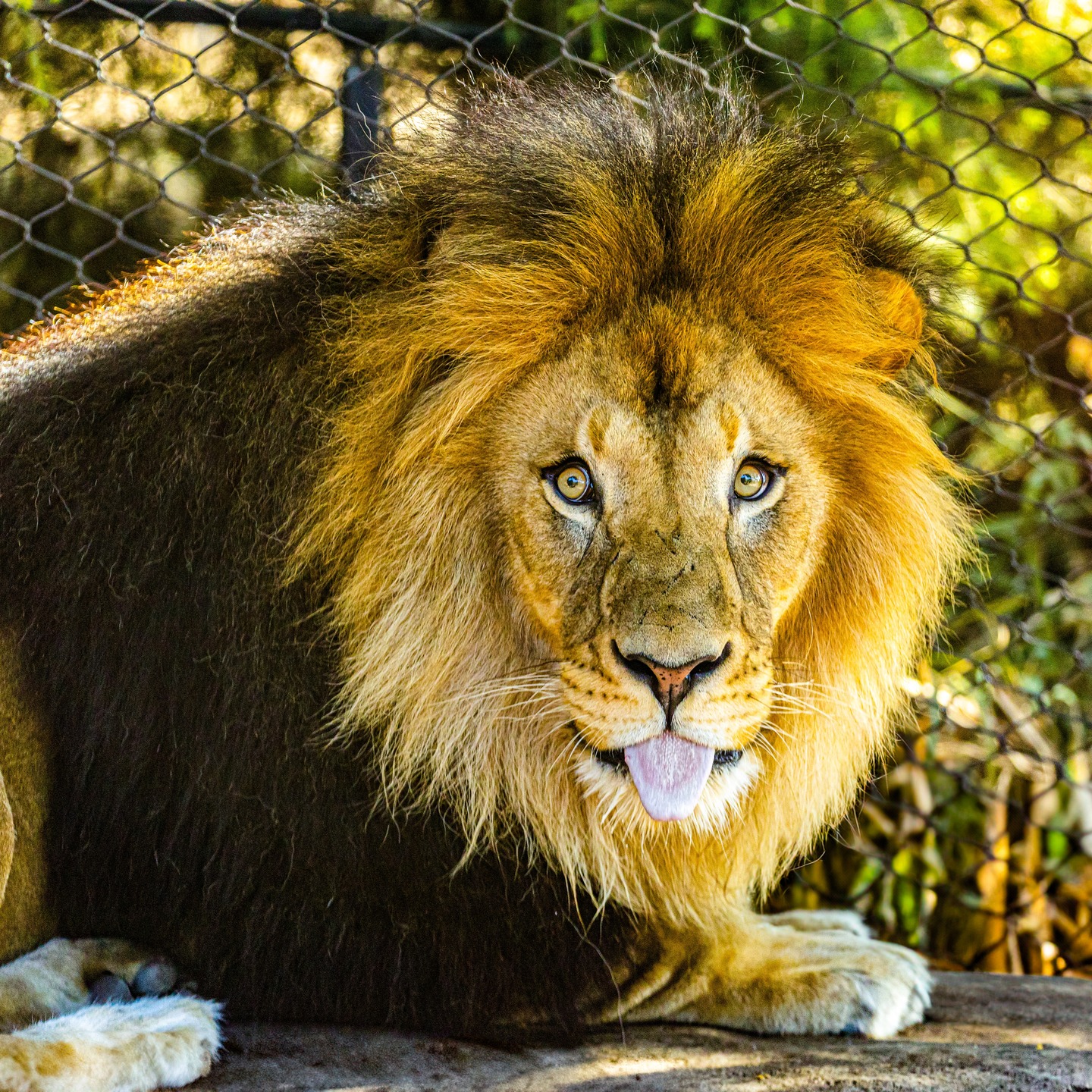
So next time you gaze upon an image of our resident king of the jungle, consider not just the regal blep but the rich tapestry of life and interconnectedness that this majestic animal represents. From their social lives to their ecological roles, every aspect contributes to the intricate balance of nature. Investing in lion conservation represents a commitment not just to these magnificent creatures but to the health and sustainability of the environments they inhabit.
*****
Source Description
Our resident king of the jungle graces you with a regal blep on this glorious 🦁👅
By the way, have you ever wondered how lions got the nickname “King of the Jungle” despite being native to the grasslands of sub-Saharan Africa?
The “king” part of their moniker refers to the crown-like mane of male lions, while “jungle” comes from the Sanskrit word 𝘫āṅ𝘨𝘢𝘭𝘢, meaning “wilderness.”
Alt-text: Ralph the African lion turns to look right at us as he sticks out his big cat tongue.
