
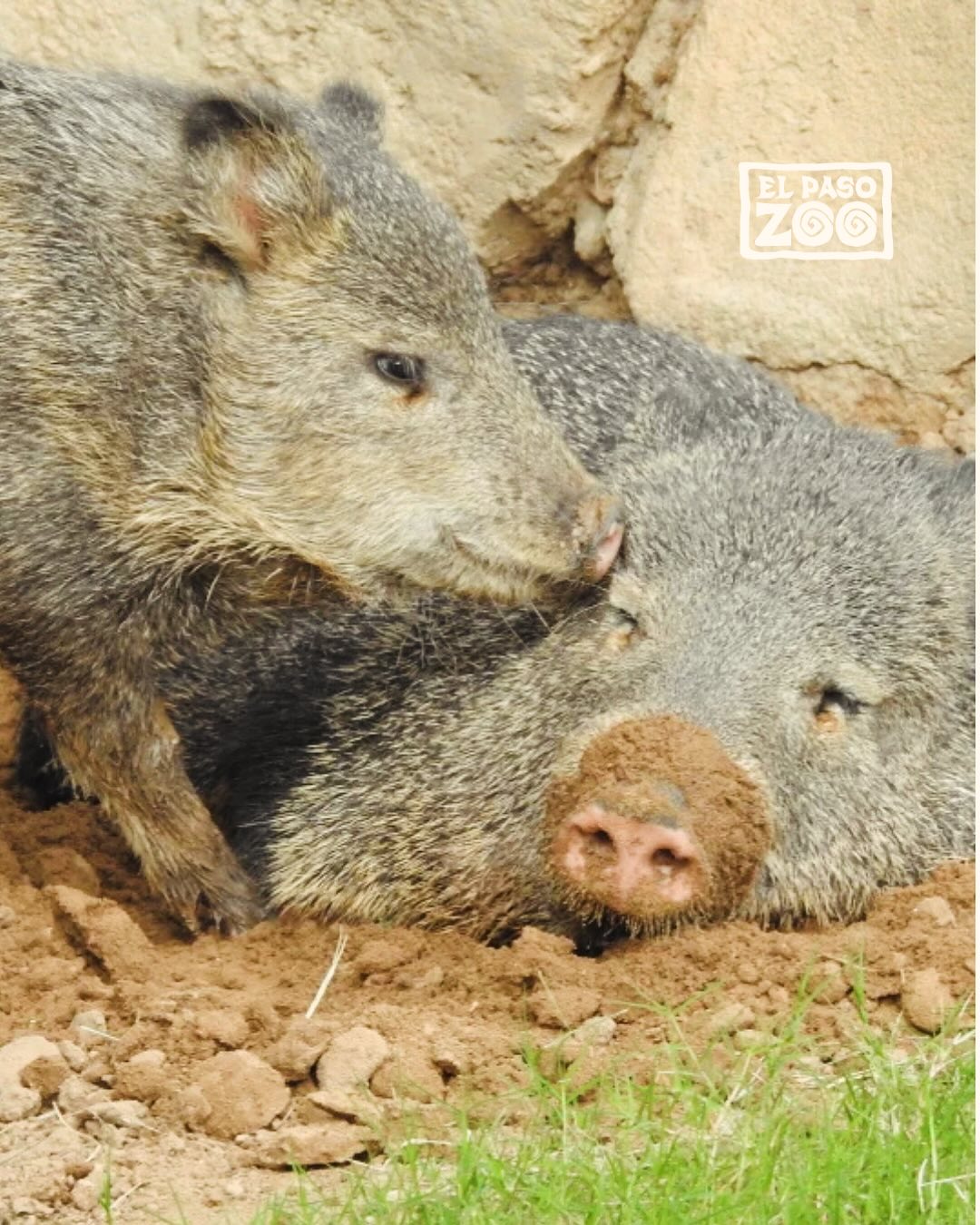
- An overview of peccaries (javelinas) and their ecological role.
- The importance of volunteering in zoo conservation efforts.
- Contributions of recent volunteers and their organizations.
- Various volunteer opportunities available at the zoo.
- A message of appreciation from the zoo director.
Peccaries, commonly known as javelinas, are fascinating creatures that play a significant role in their ecosystems. Found primarily in the Americas, these pig-like animals are often misunderstood. True peccaries, particularly the Collared Peccary (Pecari tajacu), are social animals that thrive in herds. Their presence in the wild contributes to seed dispersal and the upkeep of plant diversity. Additionally, they maintain the balance within their ecosystems by serving as prey for larger predators and as active foragers that help aerate the ground. Unlike domestic pigs, peccaries have unique adaptations, including excellent senses of smell and hearing, which they rely on for survival.
Understanding the ecological role of peccaries is vital in appreciating their significance. They influence vegetation patterns and impact the habitats of various other species. Even more impressive is their ability to adapt to different environments, from arid regions to lush forests. Their rooting behavior helps break down organic material in the soil, enhancing nutrient cycling and promoting plant health.
Volunteering at a zoo offers a unique opportunity for individuals to engage in wildlife conservation activities that directly benefit animals like javelinas. A strong volunteer corps is crucial for zoos, as they provide the necessary manpower for daily operations and special projects. Volunteers assist not only in animal care and enrichment but also in educating the public about conservation efforts. This educational outreach can significantly raise awareness about the conservation needs of species like javelinas, which often face habitat loss and other ecological pressures.
Our zoo prides itself on the dedication and spirit of its volunteers. Their contributions vary widely, from assisting zookeepers with daily animal care to helping with educational programs that inform visitors about animal behavior and conservation. Volunteers help sterilize, clean, and prepare food for numerous species, ensuring they receive proper nutrition and care. They also play a vital role in outreach events, engaging with the public to share knowledge about animal welfare and ecosystem health.
Recently, we have had the pleasure of working with numerous organizations and individuals who are dedicated to making a difference. Our Awesome Zoo Volunteers, for example, give countless hours each month to assist in various capacities. Their infectious enthusiasm elevates the morale of the entire staff while directly benefiting the animals we care for. The volunteers from Ft. Bliss’s Better Opportunities for Single Soldiers (BOSS) have also made a remarkable impact. Their support provides additional hands-on experience, making the zoo an even more engaging place for visitors and ensuring we meet our operational goals.
We also acknowledge the dedication of students from local high schools, such as Del Valle H.S., Chapin H.S., Bowie H.S., Bel Air H.S., Lydia Patterson Institute, and El Paso Community College (EPCC). These youth volunteers represent the next generation of conservationists. By engaging them early, we instill a passion for the environment and wildlife, empowering them to become advocates for animal welfare and ecological stewardship in the future.
Companies like Charles Schwab, through their Schwab 4 Good program, are also helping to enrich our volunteer efforts. Partnerships like these not only enhance our operational capacity but strengthen community ties through shared values centered on conservation and animal welfare.
Volunteering at the zoo is not limited to hands-on animal care. Various opportunities exist for those with different interests and skills. Volunteers can aid in the commissary, preparing diets for the animals, ensuring that each species is fed according to its nutritional requirements. Educating the public is another vital aspect of volunteer work. Volunteers frequently assist in guided tours and educational programs, helping visitors understand the importance of conservation and animal behavior in a relatable manner.
On top of animal care, volunteering at the zoo allows individuals to learn from professionals in zoo management and wildlife care. The Animal Medical Center provides a training ground for eager individuals interested in veterinary medicine or animal husbandry. Volunteers operating in this capacity gain experience in a clinical setting, enhancing their understanding of the treatment and care provided to the animals.
Opportunities also abound in marketing and communications. Volunteers can contribute to the zoo’s outreach by helping with social media, public relations, and event planning. This multifaceted approach not only helps promote the zoo’s mission but also fosters a greater connection with the community, encouraging them to engage with wildlife conservation efforts actively.
Ms. Toni is our dedicated Volunteer Coordinator and can provide information on how to get involved. Interested individuals can reach her at 915.212.2877 or via email at lopezma1@elpasotexas.gov. We welcome all who are passionate about wildlife and conservation to join our mission.
Our zoo director, Joe Montisano, profoundly recognizes the significance of our volunteers. He emphasizes that volunteers are the lifeblood of our operations. They help us accomplish our conservation objectives and enhance the overall experience for visitors and animals alike. “I am always amazed at the volunteer workforce that simply steps up and gets things done, always with a smile and great attitude,” he states. This acknowledgment reflects the immense gratitude felt throughout our organization.
The relationships built between volunteers and staff also contribute to a healthy zoo environment. Volunteers often bring new ideas and perspectives, enhancing our approach to animal care and conservation initiatives. They become vital members of our community, forging friendships that extend beyond the zoo’s walls.
Javelinas, as part of our zoo’s focus, stand as a testament to the importance of wildlife conservation. Their unique characteristics and behaviors offer significant insights into ecosystem dynamics. By raising awareness about the plight of these animals through our volunteer efforts, we can collectively work toward their preservation.
As we celebrate our volunteers this week, we extend a heartfelt thank you to all who have walked through our doors to lend a helping hand. Each contribution matters, whether it’s the food prepared for our animals, the public knowledge shared, or the enthusiasm demonstrated daily. Volunteers embody the spirit of conservation, and their impact will undoubtedly resonate well into the future.
The future of wildlife conservation depends on collective efforts, and our volunteers play a pivotal role in this journey. By embracing the spirit of teamwork, we can achieve our conservation goals and foster a greater appreciation for the flora and fauna that inhabit our planet. Together, we can celebrate creatures like javelinas and work hand in hand with our passionate volunteers to make meaningful strides in animal care and conservation efforts.
*****
Source Description
❤️👏 Our Peccaries (Javelinas) showing the love we feel for our Volunteers!
❤️We close Volunteer week with a hearty Thank You from our zoo director Joe Montisano to all of the volunteers that have walked thru our zoo doors to lend a helping hand: “Volunteers are the lifeblood of the Zoo. They can make the impossible happen. We could never accomplish all that we do without their help. I am always amazed at the volunteer work force that simply steps up and gets things done. Always with a smile and great attitude. We all appreciate all they accomplish on behalf of the animals and the humans at the Zoo!”
🎉👏❤️A shout out to some of our most recent volunteers and their organizations:
– Our Awesome Zoo Volunteers
– Ft. Bliss’s BOSS, Better Opportunities for Single Soldiers
– Del Valle H.S., Chapin H.S., Bowie H.S., Bel Air H.S., Lydia Patterson Institute, EPCC
– Charles Schwab’s Schwab 4 Good
Many areas to volunteer at: Preparing food at the commissary, educating the public about our conservation efforts, learning at our Animal Medical Center, helping our Zoo Keepers, even helping in our marketing department!
CONTACT: Ms. Toni, 915.212.2877, lopezma1@elpasotexas.gov
