
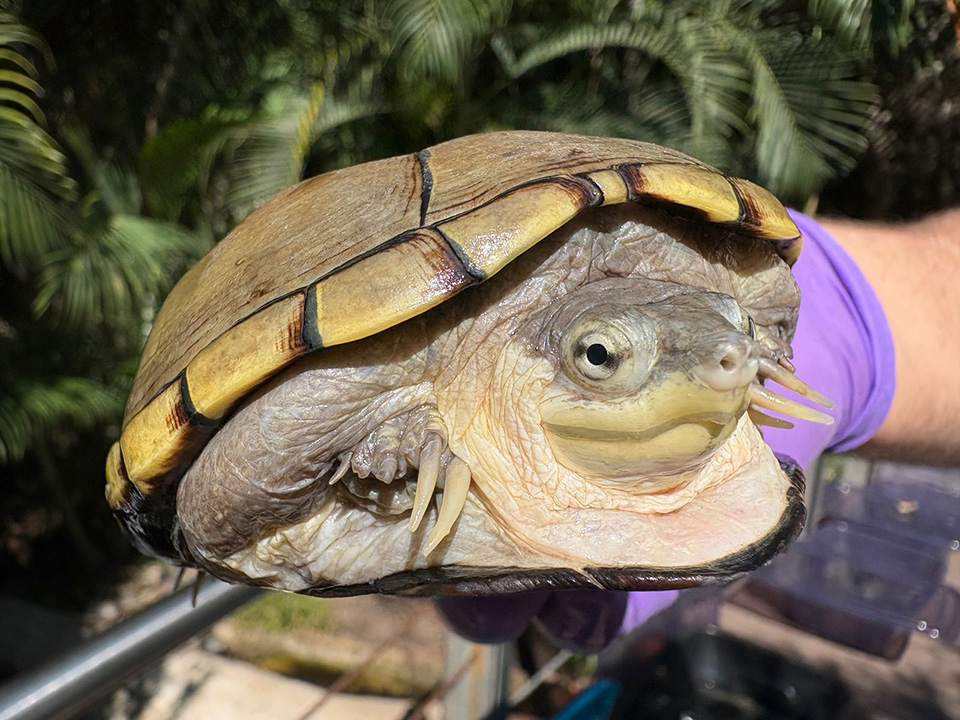
- Over 2,000 wild-caught turtles were seized in Mexico, highlighting the severity of wildlife trafficking.
- The confiscated turtles include critically endangered Vallarta mud turtles, emphasizing the urgent need for conservation efforts.
- Collaborative efforts by organizations like @Zoologicoguadalajara and @TurtleSurvival are critical for the rehabilitation of these turtles.
- Legal actions have been initiated against individuals involved in the wildlife trafficking network, showcasing the serious nature of wildlife crimes.
- This event serves as a catalyst for increased awareness of the illegal wildlife trade and its implications for biodiversity in Mexico.
The recent seizure of over 2,000 wild-caught turtles in Mexico has exposed a significant and alarming aspect of wildlife trafficking. This incident was particularly impactful as it revealed the trade of various species, indicating a sophisticated network committing serious environmental crimes. The turtles were found concealed among other illicit wildlife products, including sea cucumbers and shark fins, raising awareness about the broader issue of illegal wildlife trade.
Among the turtles seized are six species of mud turtle and one species of box turtle, all native to Mexico. Notably, the critically endangered Vallarta mud turtle is one of the most imperiled turtle species in the Western Hemisphere. This turtle species faces numerous threats, including habitat destruction and poaching. The illegal wildlife trade has worsened their plight, pushing them closer to extinction. Conservationists stress that urgent action is necessary to protect these turtles and their ecosystems.
Organizations like @Zoologicoguadalajara and @TurtleSurvival are stepping up to aid in the rehabilitation of these confiscated turtles. Teams are currently providing medical care to address any health issues stemming from their illegal capture and transport. Immediate medical intervention is critical. Stress from handling, potential injuries sustained during confinement, and exposure to diseases or parasites can adversely affect these animals. Rehabilitation efforts will include not only medical treatment but also assessments for diseases that may have resulted from their illegal captivity.
In the immediate aftermath, the turtles are receiving routine care, which encompasses feeding, cleaning, and health monitoring. Each turtle’s individual needs must be taken into account to create optimal conditions for recovery. Organizations like @DetroitZoo are also contributing funds to ensure these turtles receive the best care possible until their future is determined. Their collaborative approach highlights the importance of a network of conservation groups working together to address complex challenges.
The identity and actions of those involved in this trafficking ring are equally troubling. Authorities have launched legal proceedings against three individuals accused of operating an organized wildlife trafficking network. This network allegedly trafficked illegally traded wildlife and wildlife products with destinations including the United States and various Asian markets. The legal consequences faced by those involved serve as a reminder of the serious repercussions associated with wildlife crimes. It highlights the necessity for law enforcement and legal frameworks to address such behaviors effectively.
This seizure shines a light on the scale of the illegal wildlife trade and its devastating impact on biodiversity in Mexico. The illegal wildlife trade is rampant, driven primarily by demand for exotic pets, traditional medicine, and luxury items. Efforts to combat this trade must involve international cooperation, efficient law enforcement, and increased public awareness to foster a deeper understanding of wildlife conservation.
Turtle populations globally face escalating pressures. According to the 2021 IUCN Red List, approximately 60% of turtle species are threatened with extinction. Factors contributing to their decline include habitat loss, pollution, climate change, and illegal wildlife trade. Mexico is home to a rich diversity of turtle species, many of which are endemic. The loss of these creatures would not only diminish biodiversity but also disrupt ecosystems where turtles play vital roles, such as maintaining healthy seagrass beds or controlling the population of certain marine invertebrates.
Conservation initiatives focusing on turtles are paramount, and engaging the local community plays a significant role in successful projects. Educating communities about the environmental significance of turtles is crucial. This education fosters a sense of ownership over local wildlife and encourages sustainable practices that can help protect these species. Programs that involve locals in conservation efforts can also reduce poaching and illegal trafficking by providing them with economic alternatives.
In addition, habitat protection is essential for the survival of turtle species. Protected areas, such as national parks and wildlife reserves, are critical to providing secure habitats for turtle populations. These areas should not only focus on direct turtle conservation but also consider the surrounding ecosystems. Effective management of these habitats can facilitate natural recovery processes and promote biodiversity.
Regulatory measures and successful enforcement of laws against wildlife trafficking are crucial components of wildlife conservation. Legal frameworks need to be robust to deter illegal activities and punish offenders adequately. This reinforcement must be accompanied by international collaboration to address the cross-border nature of wildlife trafficking networks. Coordinated efforts between countries can lead to better intelligence-sharing and increased law enforcement capabilities.
Technological interventions also play a role in wildlife conservation efforts. Increasingly, technology is being used to monitor wildlife populations, enforcing anti-poaching measures, and raising public awareness. For example, remote sensing and drones are being utilized to survey and protect wildlife habitats. Citizen science initiatives provide platforms for the public to become engaged and report illegal activities.
This incident in Mexico serves as a call to action for conservationists, policymakers, and the general public. The plight of the Vallarta mud turtle and other species represents a broader environmental crisis that requires immediate attention. Enhanced awareness about the illegal wildlife trade is necessary to mobilize support for conservation programs. The urgency of protecting biodiversity on a global scale cannot be overstated.
Education and outreach initiatives are vital for fostering a culture of conservation within communities. Campaigns aimed at raising awareness about the consequences of wildlife trafficking can cultivate an ethical stance towards wildlife. Conservationists can engage schools, communities, and local businesses in discussions about the importance of preserving wildlife and their habitats. Such initiatives can strengthen community ties and promote collaborative conservation efforts.
Advancing conservation policies at the national and international levels is another important step forward. Governments must prioritize wildlife conservation in policy-making, setting enforceable regulations to combat illegal wildlife trafficking. By integrating conservation into development plans, countries can work towards more sustainable practices that conserve biodiversity while also supporting economic growth.
The role of zoos and aquariums in conservation and education is increasingly significant. Institutions like @Zoologicoguadalajara not only provide care for confiscated animals but also serve as educational hubs. They can promote conservation messages directly to the public and foster a greater understanding of the issues concerning wildlife. This role extends to breeding programs aimed at restoring populations of threatened species.
Community involvement in wildlife protection initiatives can lead to innovative solutions. Farmers and landowners may be empowered to adopt wildlife-friendly practices that also benefit their local economies. Initiatives that identify and support sustainable livelihoods can reduce pressures on wildlife. Engaging communities in conservation efforts encourages them to take pride in their local biodiversity.
As awareness of the illegal wildlife trade continues to grow, the combination of legal action, community engagement, and robust educational initiatives can lay the groundwork for a more conducive environment for wildlife conservation. Only through a multi-faceted approach can the severe impacts of wildlife trafficking be mitigated, providing a lifeline for endangered species like the Vallarta mud turtle.
This significant seizure in Mexico ultimately showcases the ongoing struggle against the illegal wildlife trade and the pressing need for collective action. The fate of countless species hangs in the balance. Solutions will require dedication from multiple sectors, including governments, conservationists, communities, and the public at large. With concerted efforts, the protection and rehabilitation of wildlife can be achieved, nurturing a healthier planet for future generations.
*****
Source Description
In October, more than 2,000 wild-caught were seized in Mexico, found hidden among sea cucumbers, shark fins and other wildlife contraband. The turtles represent six species of mud turtle and one species of box turtle native to Mexico, including dozens of critically endangered Vallarta mud turtles – the most imperiled turtle species in the Western Hemisphere!
@Zoologicoguadalajara, @TurtleSurvival, and many other conservation organizations across the globe are assisting, including facilities like @DetroitZoo who are contributing funds to support their care.
From receiving immediate medical care to assessing for disease to daily routines like feeding and cleaning, these confiscated turtles are now in good hands at @Zoologicoguadalajara until the next steps are determined.
And the criminals? Three individuals have been prosecuted for their alleged involvement in an organized wildlife trafficking network with illegally traded wildlife and wildlife products destined for the United States, China and other Asian markets.
This confiscation highlights the scale and severity of the illegal wildlife trade and its devastating impact on threatened species in Mexico.
You can read the full “In the News” story at the link in the bio! Check out aza.org/connect for more “In the News” stories.
