
- The concept of ‘Paws this’ in social media engagement
- The biological significance of animal paws
- The role of paws in wildlife adaptation and behavior
- The importance of wildlife conservation efforts
- The future of animal welfare in zoology and wildlife management
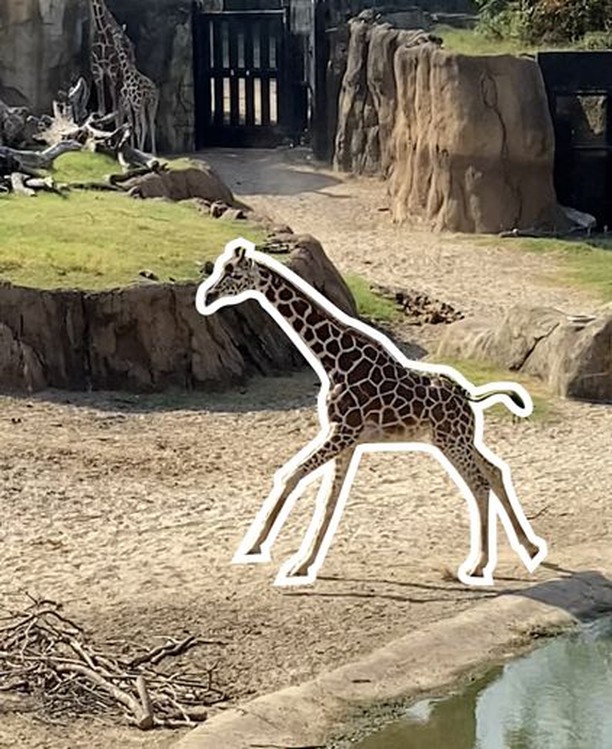
The concept of ‘Paws this’ has emerged as an engaging feature in social media platforms, particularly in videos where viewers are challenged to pause the footage at the most precise moment. This interactive component not only serves as a fun activity but also encourages users to pay closer attention to the visual details. Such engagement not only brings entertainment value but also fosters an appreciation for the diverse characteristics and functions of animal anatomy, particularly paws.
Animal paws are critical for many species across the animal kingdom. Structurally, paws serve various functions, essential for survival and adaptation. For example, the anatomy of a dog’s paw includes distinct pads that provide cushioning and traction. This is particularly important for canines, as their ancestors, the wolves, relied heavily on their ability to traverse different terrains for hunting and territory defense. The sensitivity of paw pads allows them to detect subtle vibrations and changes in their surroundings, enhancing their hunting capabilities.
A wide array of species, including felines, bears, and rodents, have evolved specialized paw structures. These adaptations cater to their specific habitats and lifestyles. Cats, for instance, possess retractable claws that assist in climbing and hunting, while bears have large, powerful paws that aid in digging and foraging. Rodents exhibit smaller, dexterous paws designed for gnawing and manipulating food. Understanding these variations not only provides insight into evolutionary biology but also underscores the importance of preserving these species in their natural habitats.
Wildlife adaptation is a fascinating aspect of zoology that deserves further exploration in connection with paws. Different species showcase a remarkable range of adaptations that enhance their ability to survive and thrive in specific environments. The webbed paws of amphibians and semi-aquatic mammals such as otters exemplify how physical traits can facilitate effective swimming. The flat, broad paws of snowshoe hares allow them to travel easily across snow, distributing their body weight and preventing them from sinking.
Behavior is equally impacted by paw morphology. Social animals, such as elephants, use their feet to communicate through infrasound vibrations that can travel for miles. Similarly, the intricate patterns of paw prints left in the soil can relay important information to other animals about territory, social hierarchy, and even individual identity.
Despite the fascinating adaptations observed in animal paws, it is crucial to note that many species face severe threats to their survival due to human impact. Habitat loss, climate change, and illegal poaching are leading to drastic declines in wildlife populations around the globe. Conservation efforts aimed at protecting both species and their habitats are pivotal in ensuring that these ecological niches continue to function properly.
One of the most pressing issues today in wildlife conservation relates to the ongoing loss of biodiversity. By understanding the ecological roles of various species and their anatomical features, such as paws, it becomes evident that these creatures are integral to maintaining ecosystem balance. Initiatives such as wildlife refuges, breeding programs, and educational outreach target the conservation of both animals and their environments. Educating the public about the importance of living in harmony with wildlife is essential to this effort.
Technological advancements have begun to play a significant role in wildlife conservation. Drones are increasingly used for monitoring wildlife populations and their habitats, providing invaluable data for researchers. GPS tracking collars equipped on various species, from wolves to sea turtles, allow scientists to gain insights into migration patterns and behavioral changes in response to environmental pressures. These technologies not only enhance scientific understanding but also inform conservation strategies to protect vulnerable species.
The integration of animal welfare standards into zoological practices is also an important aspect of management. Modern zoos are shifting their focus from mere exhibits to improving the quality of life for the animals they house. Enrichment programs that promote natural behaviors contribute to the well-being of species. This can include habitats that mimic natural settings, social interactions, and even the provision of complex puzzles for animals to solve.
Looking ahead, the future of animal welfare and wildlife management will increasingly rely on a collaborative approach. The interplay between government policies, scientific research, and community involvement will be key to ensuring the protection of species. Educational programs that highlight the importance of paws and their functions can engage the public’s interest. This engagement fosters a connection to the natural world, motivating individuals to partake in conservation initiatives.
Interactive content, such as the video concept behind ‘Paws this,’ exemplifies a modern method of fostering awareness and appreciation for wildlife. By tapping into humor and gamification, social media content can be an effective vehicle for environmental education. Encouraging viewers to reflect on the intricacies of animal anatomy while having fun contributes to a greater understanding of the importance of biodiversity.
Effective conservation communication can elevate public consciousness surrounding environmental challenges. Social platforms allow diverse voices to contribute to ongoing discussions about how to protect wildlife and their habitats. Advocacy, fueled by a knowledgeable and engaged populace, creates a cultural shift toward responsible stewardship of the environment.
In summary, the significance of paws extends beyond their immediate biological functions. They serve as a gateway to understanding complex ecological relationships and highlight the urgent need for conservation. The incorporation of digital content works synergistically with education, encouraging individuals to appreciate and advocate for wildlife. As we navigate the challenges posed by environmental changes, enhancing our connection to wildlife through engagement and education becomes increasingly crucial.
Awareness efforts must continue to expand, reaching individuals who might not otherwise consider these issues. By integrating information about animal anatomy, behavior, and conservation into everyday conversations, a cultural shift in attitudes toward wildlife preservation can be achieved.
Engaging the public through creative formats serves not only to inform but also to inspire action. Individuals armed with this knowledge can become advocates for wildlife conservation, fostering stronger ties to the ecosystems they inhabit. Ultimately, nurturing a deeper understanding of animal features like paws is integral to reshaping perceptions of the natural world, emphasizing the importance of coexistence, and promoting a global effort toward environmental stewardship.
*****
Source Description
Paws this 🐾
Think you can pause the video at the perfect moment? Leave a comment if you nailed it!
