
- The nutritional needs and dietary habits of tortoises
- The ecological significance of tortoises in their habitats
- Conservation efforts for tortoise species
- The role of zoos in tortoise care and education
- The impact of social media on wildlife awareness
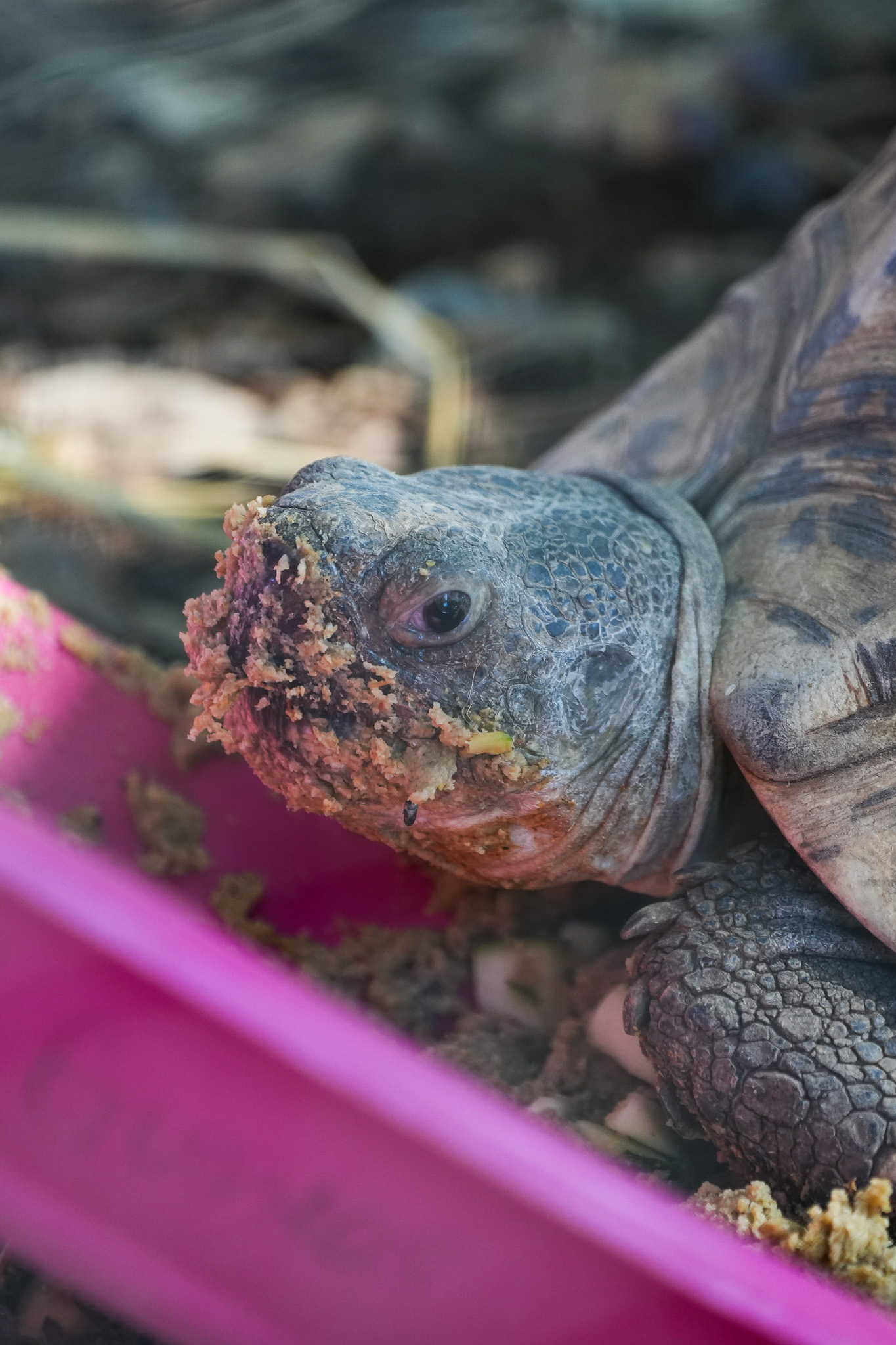
When we watch content on social media platforms, it can sometimes be a delightful distraction. One such example is the charming video showcasing a tortoise enjoying a leisurely lunch. This seemingly simple act provides a wonderful opportunity to explore the intricate world of tortoises and their essential role in ecosystems. Understanding the dietary needs of tortoises, their ecological significance, conservation efforts, the role of zoos, and the influence of social media on wildlife awareness will allow us to appreciate these remarkable creatures beyond their leisurely lunch breaks.
Tortoises belong to the order Testudines and have a unique place in the animal kingdom. As herbivores, they typically consume a variety of plant materials, including grasses, leaves, flowers, and fruits. Their nutritional requirements can vary significantly depending on the species and their native habitat. Some tortoises require a high-fiber diet to support their digestive health. This incorporates fibrous plants and greens that provide necessary nutrients. Others may thrive on a diverse mix of vegetables and fruits.
In captivity, it is essential to mimic these natural dietary patterns as closely as possible. A common dietary mistake is feeding tortoises too many high-protein foods, which can lead to health issues like shell deformities and kidney disease. Maintaining proper calcium and phosphorus ratios is vital for shell development and overall health. Providing a range of edible plants helps ensure tortoises receive sufficient vitamins and minerals.
Tortoises also exhibit specific feeding behaviors that reflect their evolutionary adaptations. Some species, like the Giant Galápagos Tortoise, possess robust jaws that allow them to consume tougher vegetation. Others rely on their elongated necks to reach food sources that might be otherwise inaccessible. Observing these feeding behaviors provides insight into their adaptability and evolution.
The role of tortoises within their ecosystems cannot be overstated. As grazers, they contribute to the control of plant growth, which encourages biodiversity. Their grazing habits create spaces for other species to flourish by preventing overgrowth. Furthermore, tortoises play a crucial part in seed dispersal. When they consume fruits, seeds pass through their digestive systems; this process facilitates seed germination upon excretion. Thus, tortoises help sustain the plant populations in their environments.
In many habitats, tortoises serve as a food source for predators such as birds of prey and larger mammals. This interconnection between species highlights the balance in ecosystems. However, this balance is increasingly threatened by habitat loss and climate change, leading to declining tortoise populations. The ecological roles they fill are at risk, demonstrating the urgency of conservation efforts.
Conservation measures are critical in protecting tortoise populations globally. Many species are endangered due to habitat destruction, poaching, and the illegal pet trade. Organizations across the globe are working tirelessly to implement various conservation strategies, such as habitat restoration, captive breeding, and public education programs. Focused efforts on endangered species like the Aldabra tortoise and the California desert tortoise aim to preserve their populations in the wild.
Captive breeding programs are vital for species recovery. By ensuring genetic diversity among tortoise populations, these programs enhance their chances for future release into their natural habitats. Some zoos and wildlife organizations now collaborate on international conservation projects. Awareness campaigns inform the public about the importance of tortoise conservation, recruiting support for further initiatives.
Zoos play a central role in both the care for tortoises and the education of the public about their significance. They provide environments that replicate natural habitats while facilitating specialized veterinary care. Educators in zoos can disseminate knowledge on tortoise biology and conservation to children and adults alike. By engaging visitors through interactive displays and feeding demonstrations, zoos create a deeper appreciation for these animals.
Moreover, zoos contribute to essential research on tortoise behavior, reproduction, and health challenges. This research can inform conservation practices in both captive and wild populations. By acting as ambassadors for their species, zoos have the potential to inspire action and advocacy among visitors, drive awareness, and enhance conservation funding.
In today’s digital age, platforms like Instagram provide an unusual avenue for increasing wildlife awareness. Viewers are interrupting their timelines to watch various animals, including tortoises, engaging in natural behaviors. Viral videos often prompt enthusiasm and raise questions. Such content has the power to spark interest, leading individuals to learn more about species they previously knew little about.
The presentation of wildlife on social media can foster a community focused on conservation. Users sharing their experiences can help connect others to the need for environmental stewardship. The casual portrayals of tortoises enjoying a meal can serve to humanize these creatures and promote discussions regarding their roles in ecosystems and the challenges they face.
Social media can also mobilize collective action. Initiatives like #SaveTheTurtles have gained traction, promoting awareness and fundraising efforts for turtle and tortoise conservation projects worldwide. Influencers and conservationists utilize these platforms to inform the public about endangered species, habitat protection, and responsible pet ownership. Ultimately, when entertainment meets education, a more informed public can emerge.
The journey of a tortoise enjoying lunch provides a delightful view into the complex lives they lead. Their dietary needs highlight the importance of balanced nutrition, while their role in ecosystems underscores the need for conservation efforts. The work done by zoos in care and education helps safeguard this ancient lineage for future generations. Social media’s impact on wildlife awareness can play a significant role in fostering engagement and prompting action.
As we scroll through our timelines, sometimes interrupted by charming snapshots of wildlife, we can reflect on our connection to these creatures. Understanding that there is more beneath the surface allows for deeper engagement with conservation efforts. Through appreciation and knowledge, we can contribute to a future where tortoises, and countless other species, thrive in their natural habitats.
*****
Source Description
We’re interrupting your timeline for you to watch this tortoise enjoy his lunch. 🐢
