
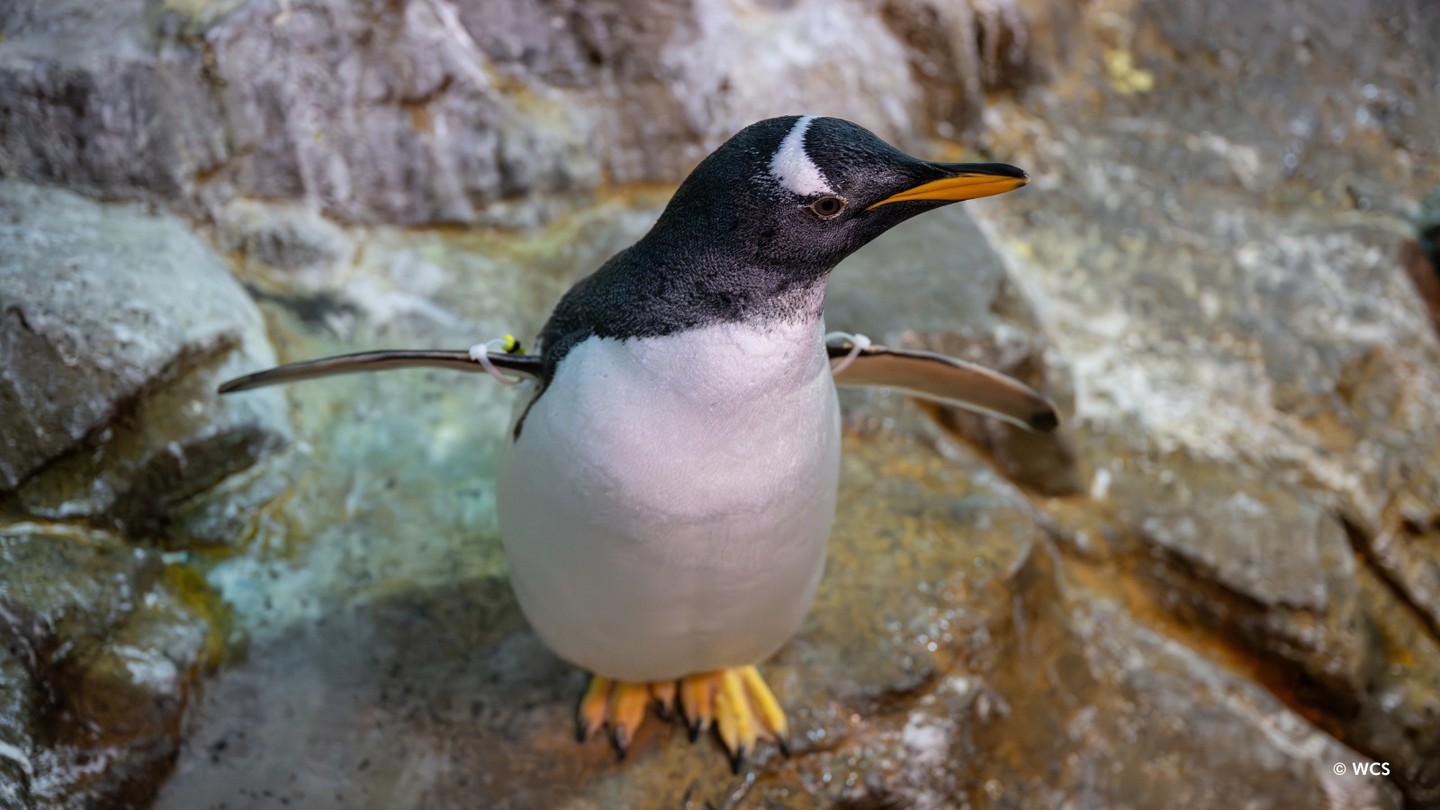
- Happy Penguin Awareness Day highlights the critical conservation efforts for penguin species.
- The Central Park Zoo is home to the largest colony of penguins within the Wildlife Conservation Society (WCS) parks.
- Understanding the different species of penguins showcased at the Central Park Zoo enhances awareness of their diverse habitats and behaviors.
- The significance of penguins in marine ecosystems provides insights into environmental health.
- Engaging the public through educational programs is vital for fostering a connection to wildlife conservation.
Happy Penguin Awareness Day serves as an important occasion to emphasize the need for conservation and appreciation of penguins worldwide. This annual event highlights the challenges these charming birds face and encourages action to protect their habitats. With a unique blend of celebration and education, it aims to inspire individuals to become more actively involved in wildlife conservation efforts.
The Central Park Zoo boasts the largest colony of penguins among all the WCS parks, showcasing a remarkable collection of these aquatic birds. Currently, this bustling zoo is proud to harbor a colony of 58 penguins within its Polar Circle. The diversity of species is also noteworthy; four species readily coexist in the zoo: king, gentoo, macaroni, and chinstrap penguins. This impressive variety offers visitors a comprehensive glimpse into the fascinating lifestyles and distinct characteristics that define each species.
Understanding the specific adaptations and behavioral traits of these penguins enhances visitor appreciation. King penguins, the second-largest of all penguin species, are notable for their striking orange and yellow ear patches. They exhibit complex social structures and can travel vast distances in search of food in cold, nutrient-rich waters. Gentoo penguins, identifiable by their broad white stripe across the head, are proficient divers, often reaching depths of 300 feet or more in pursuit of krill, fish, and squid. Their adaptability and prowess in diving exhibit the extraordinary survival mechanisms these birds possess.
Macaroni penguins, marked by their distinctive yellow crest, inhabit sub-Antarctic islands. Their rambunctious and aggressive nature sets them apart from other species. They engage in spirited behaviors, particularly during the breeding season, when their competitive displays become a highlight of their social interaction. Chinstrap penguins, characterized by a narrow black line that resembles a helmet strap, are also known for their strong parenting roles. Their resilience in navigating the harsh environments of the Antarctic makes them crucial players in their habitats.
Histories and behaviors of these penguin species give insight into the ecological balance within marine systems. Penguins often serve as indicators of ocean health, reflecting changes in fish populations and marine ecosystems. For example, shifts in their breeding patterns or declines in their numbers may signal underlying environmental changes, such as overfishing or climate change impacts. By studying penguins, scientists gather crucial data that helps preserve overall marine biodiversity.
Engaging with the public through educational programs is vital for fostering a connection to wildlife conservation. The Central Park Zoo actively promotes interactive experiences that inform visitors about penguin behaviors, ecology, and the necessary efforts to protect their habitats. Alongside learning through observation, the zoo offers workshops, talks, and behind-the-scenes tours. Each initiative endeavors to inspire participants to advocate for conservation, thus creating a ripple effect within their communities.
Conservation programs are essential for safeguarding penguin populations. Many species are facing threats from habitat loss, climate change, and pollution. Organizations like the Wildlife Conservation Society are at the forefront of these efforts, conducting research, promoting habitat protection, and fostering community-based conservation practices.
Collaborative efforts between zoos and international organizations enhance the effectiveness of these initiatives. For example, breeding programs help maintain genetically healthy populations while captive birds contribute to conservation genetics research. Public awareness campaigns, highlighting the plight of penguins, enable communities to support policies that aid in conservation measures.
Observation of penguins in a controlled environment, such as the Central Park Zoo, provides critical opportunities for research and education. The zoo’s habitat replicates the penguins’ natural surroundings, enriching the lives of these birds while allowing scientist’s easier study of their behaviors and needs. This care extends beyond observation; zookeepers monitor the health and well-being of every individual, ensuring that stress levels are minimized and that they receive optimal nutrition.
The positive impact of visiting the Central Park Zoo and engaging with the Happy Penguin Awareness Day programs is twofold. Visitors not only enjoy the sight of these delightful birds but also leave with a greater understanding of the challenges penguins face in the wild. The emotional connection formed through such encounters fosters a sense of responsibility, motivating individuals to support conservation in meaningful ways.
Efforts to raise awareness extend beyond the confines of the zoo. Schools, community centers, and local wildlife organizations participate in outreach programs designed to educate the public about penguins and their environment. Collaboration with educators helps incorporate penguin conservation topics into classroom discussions, fostering a new generation of wildlife advocates.
To grasp the full significance of Happy Penguin Awareness Day, it is essential to recognize the role penguins play as custodians of marine ecosystems. Their unique adaptations have evolved over millions of years, making them supremely adapted to life in frigid waters. However, this has made them particularly vulnerable to change. By emphasizing the connection between penguin populations and ocean health, advocates raise awareness of broader environmental issues that impact not only these species but the future of marine biodiversity.
The celebration of Happy Penguin Awareness Day invites everyone to reflect on their role in conservation. Engaging with wildlife can elicit a sense of wonder, highlighting the urgent need for proactive measures to protect penguins and their habitats. The replication of their natural environments in places like the Central Park Zoo enables educational experiences that can serve as a catalyst for action.
Increasing public engagement through innovative educational programs, involving children and adults alike, is key to inspiring stewardship of our planet. Penguins, with their endearing appearance and striking behaviors, are an ideal focal point for bringing attention to broader conservation issues. Awareness days like this one not only celebrate these incredible species but also serve as a reminder of our shared responsibility to safeguard their future.
Every visit to the Central Park Zoo during Happy Penguin Awareness Day helps contribute to ongoing conservation efforts. The synergy of education, research, and advocacy ingrained in the zoo’s mission transcends geographical boundaries. As individuals become informed about the realities facing penguins, they transform from passive observers to active participants in the conservation journey.
By fostering a sense of community and stewardship, penguin awareness days create pathways for sustained engagement in wildlife conservation. When visitors learn about penguins, they gain insights into the fragility of our planet’s ecosystems and the essential actions needed to protect them. Celebrating Happy Penguin Awareness Day embodies the spirit of collective responsibility, encouraging ongoing efforts to preserve not only penguins but the entire myriad of species that share their aquatic ecosystems.
*****
Source Description
Happy Penguin Awareness Day! DYK the Central Park Zoo has the largest colony of penguins of any WCS park? We currently have a colony of 58 penguins in our Polar Circle. In total we have seven species of penguins at three of our parks and these fascinating animals play a prominent role at WCS. Waddle on over to the zoo to see king, gentoo, macaroni, and chinstrap penguins!
