
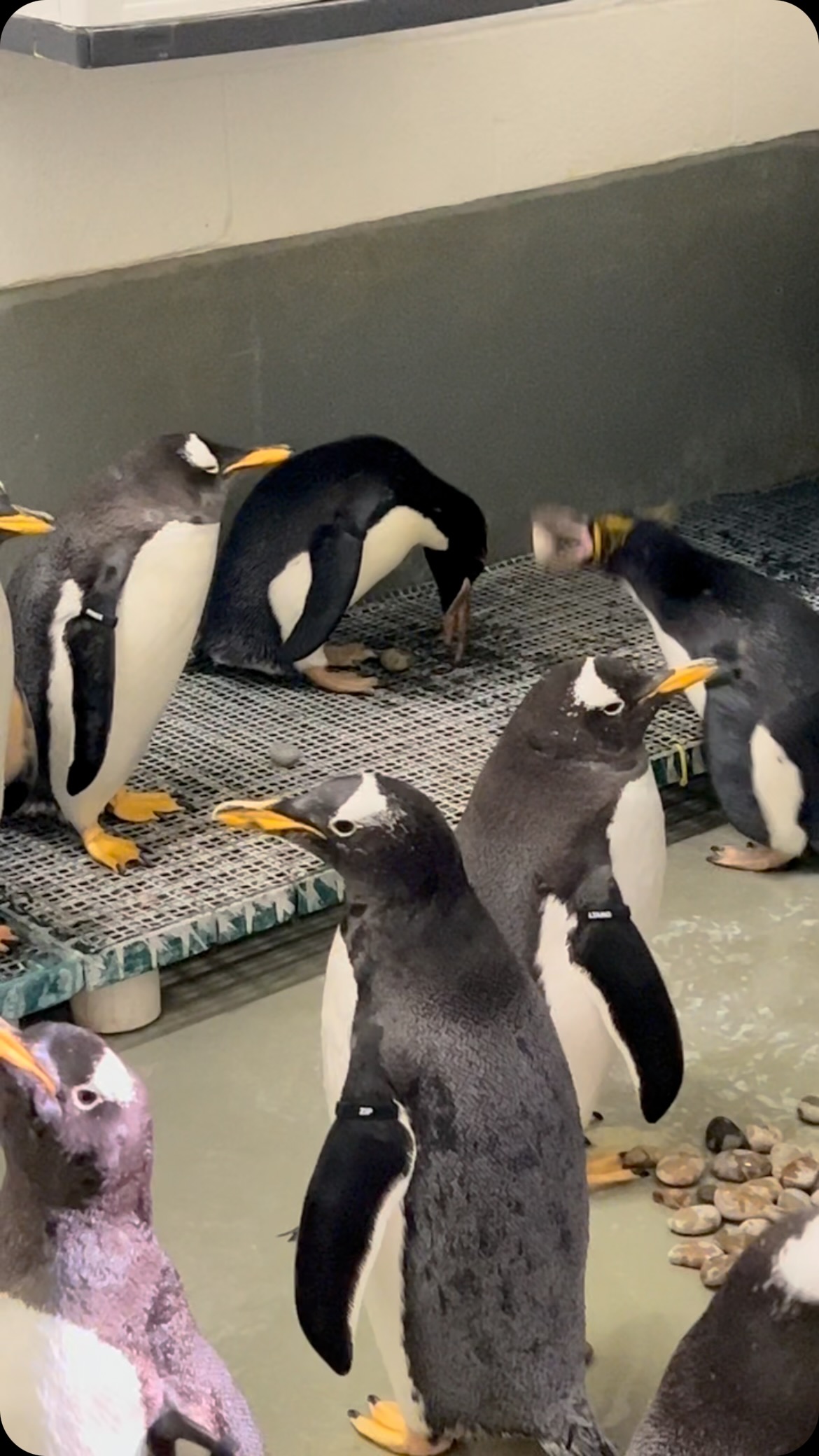
- Understanding the Nesting Habits of Penguins
- The Importance of Pebbles in Penguin Courtship
- The Breeding Cycle and Monogamous Behavior
- The Role of Aquarium Exhibits in Conservation
- The Significance of Long-term Relationships in Penguins
Penguins exhibit fascinating behaviors, especially during the breeding season. One of the most endearing activities observed is their dedication to gathering pebbles for building nests. Nesting habits are crucial for penguins, as they directly influence their reproductive success. The act of collecting pebbles serves both functional and social purposes; it is essential for the safety of their eggs while also demonstrating a male’s suitability as a mate.
Penguins build their nests primarily from pebbles, which they gather from their surroundings. These rocks provide essential protection for their eggs, shielding them from extreme weather conditions and potential predators. Notably, the breeding season for many penguin species occurs in March. During this time, the aquarium’s team has structured the exhibit with strategic placements of rocks and platforms, simulating a natural environment that promotes these instinctive behaviors.
Typically, male penguins engage in a courtship display that includes presenting a pebble to a female. If she accepts it, this act signifies mutual interest, and the pair will collaborate to construct a nest. The male and female work together, often returning to the same nesting site year after year, highlighting their strong monogamous tendencies.
Penguins are known for their lifelong pairs. They tend to choose one mate and remain together throughout their lives, returning to the same nesting site annually. This loyalty contributes to the stability of their breeding techniques. The bond between a male and female further solidifies during the construction of their nests. This collective effort plays a vital role in parental care and the successful raising of their young.
The importance of aquariums in conservation cannot be overstated. By creating environments that mimic natural habitats, aquariums facilitate the natural behaviors of species like penguins. This helps raise awareness around wildlife conservation and challenges faced by these species in the wild. Limited resources and habitat loss due to climate change are significant issues impacting penguin populations globally. Through careful management and educational initiatives, aquariums are becoming pivotal in conservation efforts.
Penguins in captivity, particularly in aquariums, can be used to illustrate the importance of long-term relationships in their breeding success. These relationships not only foster emotional bonding but also enhance offspring survival rates. When penguins have a consistent partner, they become more efficient in parenting roles. This leads to better outcomes for their chicks since both parents share responsibilities.
The physical dynamics of building nests can vary across different penguin species. While some may prefer to gather large, smooth pebbles, others might select smaller, more varied stones. This behavior reflects individual preferences and environmental adaptations. The pebbles collected by penguins are not just for aesthetics; they directly affect the physical structure of the nest, influencing how well it can protect unhatched eggs.
During breeding season, the penguin’s behavior shifts significantly, drawing attention from aquarium visitors and researchers alike. Social interaction increases as multiple pairs seek out the same limited resources for nesting. These gatherings can lead to competition, further emphasizing the importance of unique traits in mate selection. The male’s ability to present the perfect pebble showcases his strength and suitability, ensuring that only the best genes are passed on.
Monitoring these interactions provides valuable insights into the ecological dynamics at play within penguin colonies. For aquarists and wildlife researchers, it’s critical to observe behavioral patterns in a controlled setting. Such observations can inform broader conservation strategies aimed at addressing the challenges faced by penguin populations in the wild.
Aquarium exhibits are designed to enhance the visitor experience while educating them about penguin behaviors and conservation efforts. By featuring engaging displays and informative signage, these environments encourage a deeper understanding of penguin life. Visitors observe firsthand the intricate nesting behaviors and can witness the thrilling moment when a male successfully presents a pebble to a female. This an essential aspect of the overall experience in aquariums, bridging the gap between learning and entertainment.
The role of aquariums extends beyond simply showcasing penguins. They participate in breeding programs, contributing to the global effort to conserve vulnerable species. By ensuring healthy populations in captivity, aquariums serve as genetic reservoirs that can support efforts to reintroduce penguins back into their natural habitats as necessary.
The challenges penguins face in the wild are significant. Climate change, overfishing, and pollution threaten their survival. The educational aspect of aquariums highlights these issues, fostering a greater appreciation for wildlife conservation. Understanding the full scope of a penguin’s life, from courtship to raising chicks, empowers visitors to engage with conservation efforts on a personal level.
Breeding programs within aquariums focus on genetic diversity, ensuring offspring are equipped with robust traits. This helps maintain healthy populations, underscoring the importance of responsible breeding practices. The commitment to educating visitors about this process fosters a sense of community involvement in wildlife protection efforts, encouraging more people to support conservation initiatives.
As aquariums continue to adapt their exhibits and practices, the focus on environmental sustainability becomes increasingly important. Supporting natural behaviors in species like penguins is vital for successful breeding efforts. By creating habitats where penguins can express their natural behaviors, aquariums play a fundamental role in the preservation of these captivating birds.
In summary, the penguin colony’s dedication to gathering pebbles and constructing nests serves multiple crucial purposes in their breeding cycle. The insightful interactions observed during breeding season illustrate their monogamous nature and the importance of long-term partnerships in raising young. Aquariums facilitate these natural behaviors while raising awareness around pressing conservation challenges faced by penguins and other species. By engaging in these practices and educating the public, aquariums become central players in the broader mission of wildlife conservation. This not only benefits the penguins but also enriches the lives of people who learn from them.
*****
Source Description
Our penguin colony is hard at work gathering pebbles and building nests to impress their mates! The Aquarium team set up the exhibit with rocks and platforms. With the penguins on a northern lighting cycle, breeding season typically begins in March. Penguins are monogamous and often mate for life. If a female accepts a male’s pebble, they’ll build a nest together to raise their young, with the rocks serving as protection for their eggs. Mates will return to the same spot each year. 🐧
