
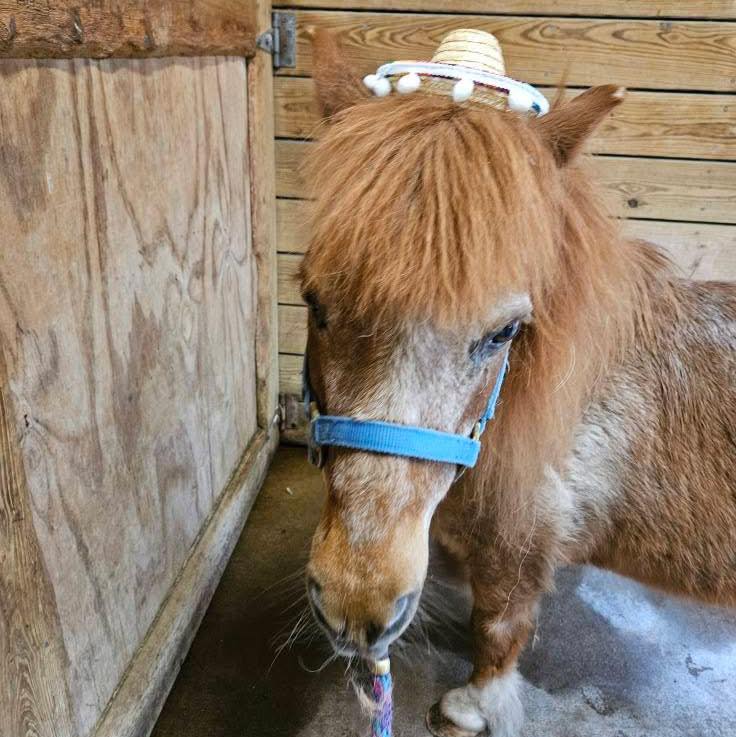
- Understanding the roles and responsibilities of a zoo keeper, particularly focusing on Amy, the keeper of PICASSO.
- Examining the significance and impact of wildlife conservation efforts made by zoo keepers like Amy.
- Highlighting the PICASSO program and its influence on animal care and zoo management.
- Exploring the challenges and rewards of working in zoology and zoo management based on Amy’s experiences.
- Discussing the importance of education and community outreach in promoting conservation awareness.
Amy, a distinguished zoo keeper, has made significant contributions in the field of zoology, focusing on the care and management of a program known as PICASSO. Her dedication serves as a bridge between the disciplines of animal care and wildlife conservation. This article delves into the daily responsibilities and broader implications of her work.
A zoo keeper’s role involves much more than feeding animals and cleaning enclosures. It requires a deep understanding of the animals’ behavioral and nutritional needs. For Amy, this means working closely with the animals under her care in the PICASSO program. Her day begins early, with meticulous planning to ensure each animal receives tailored care. She monitors their health, observes behavioral changes, and collaborates with veterinary staff to deliver comprehensive care.
Wildlife conservation is a cornerstone of Amy’s efforts. The PICASSO program is at the forefront of these initiatives, emphasizing the protection of endangered species and their habitats. Amy’s daily tasks include not only direct animal care but also participating in breeding programs aimed at population recovery. Her work contributes to global efforts to preserve biodiversity, providing a sanctuary for species that might otherwise face extinction.
The PICASSO program serves as an exemplary model of zoo management. It integrates advanced technology to monitor animal activity patterns and health in real-time, allowing Amy and her team to make informed decisions. This innovative approach ensures that animal welfare remains the top priority, fostering environments that closely mimic natural habitats. The program’s impact extends beyond daily operations, forming part of a larger strategy to influence policies on animal conservation.
Working as a zoo keeper presents numerous challenges, but also rewards. Amy often encounters situations requiring swift decision-making and adaptability. Unpredictable weather, medical emergencies, and varying animal behaviors all demand quick thinking. Despite these pressures, Amy finds profound satisfaction in her work, particularly when observing animals thriving under her care. Her role is a testament to the dedication required in the field of zoology.
Education and community engagement are essential components of conservation efforts. Amy uses her expertise to conduct educational programs, hoping to spark curiosity and stewardship in visitors. She believes that awareness leads to action, encouraging the public to contribute to conservation initiatives. By sharing her knowledge, Amy helps demystify the work of zoo keepers and highlights the importance of preserving the natural world.
In summary, Amy’s work as a keeper of the PICASSO program exemplifies the intricate balance of animal care, conservation, and education. Her dedication serves as an inspiration to current and future generations, underscoring the profound impact of committed individuals in the field of wildlife conservation. With her guidance, the program continues to thrive, advancing both animal welfare and public awareness.
*****
Source Description
PICASSO 🤌 ✨
📸 keeper Amy
