
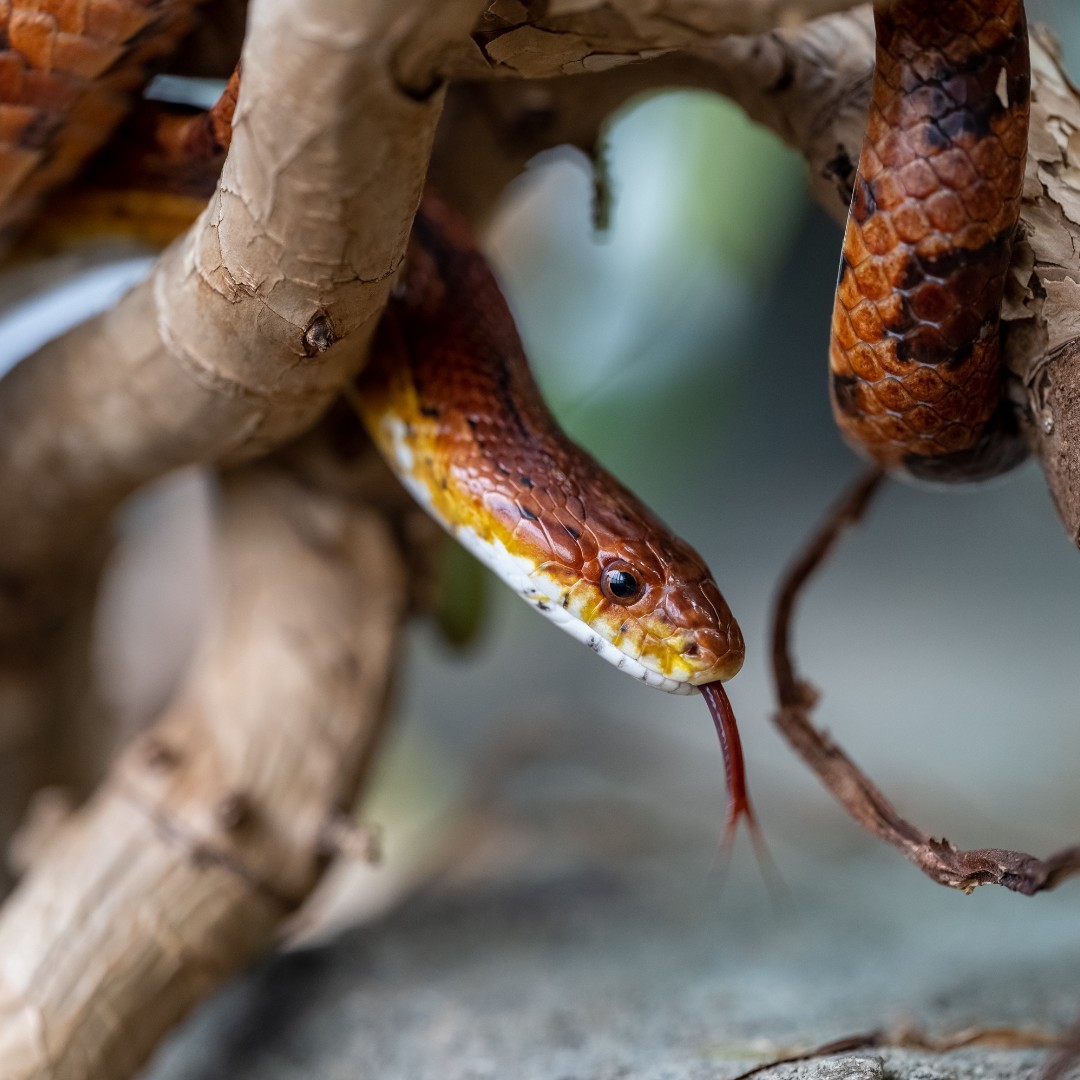
- The significance of National Serpent Day and its relevance to Pittsburgh’s ecological landscape.
- An overview of local snake species and their roles in the ecosystem.
- Conservation efforts for snakes and their habitats in the Pittsburgh area.
- The impact of urbanization on snake populations in Pittsburgh.
- Educational resources and programs for the public regarding snake awareness and conservation.
National Serpent Day, celebrated on February 1st, provides an ideal opportunity to recognize the diverse and often misunderstood group of reptiles that includes serpents. Situated within the broader context of Pittsburgh’s ecological landscape, the significance of snakes cannot be overstated. These creatures play vital roles in maintaining balanced ecosystems. Their presence indicates healthy habitats, which positively contribute to biodiversity. As more people become aware of their importance, we can advocate for better conservation practices within the city.
Pittsburgh is home to several native snake species that contribute to the region’s ecological integrity. Some of the most common snakes found in the area include the Eastern Gartersnake, Eastern Rat Snake, and Northern Copperhead. The Eastern Gartersnake is typically non-venomous and plays an important role in controlling rodent populations. Gartersnakes primarily feed on small mammals, amphibians, and even fish, influencing the population dynamics of these prey species.
The Eastern Rat Snake occupies the apex predator niche among local snakes. This species can grow to considerable lengths and is adept at climbing, often choosing tree branches to hunt birds and small mammals. In contrast, the Northern Copperhead, while venomous, has a generally docile nature and helps manage the population of small rodents and juvenile rabbits. Understanding these species and their behaviors is essential for anyone interested in wildlife conservation.
The conservation of snake populations in Pittsburgh faces numerous challenges. Urbanization is among the most significant threats to wildlife, including snakes. As development increases, their habitats are destroyed or fragmented. Roads pose a particular danger, leading to many snake fatalities. Moreover, the encroachment of human activity results in the degradation of local ecosystems, impacting food sources and breeding grounds. These changes can have lasting effects on snake populations, making community-based conservation efforts vital.
In response to declining snake populations, various organizations and wildlife authorities in Pittsburgh have initiated conservation programs. These initiatives aim to educate the public about snakes and their ecological value. Workshops, nature walks, and talks hosted by local wildlife experts create avenues for community engagement. By fostering a better understanding of snake species, these programs work to alleviate fears and misconceptions that often surround them.
Another crucial aspect of snake conservation is habitat preservation. Protecting natural areas from development and pollution is essential for safeguarding populations of both snakes and their prey. Efforts to promote green spaces, whether through public policy or local activism, contribute significantly to the well-being of wildlife.
Informational resources play an important role in building awareness. Websites, brochures, and educational workshops serve to inform the public about snake identification, behavior, and conservation. Local zoos and wildlife centers also offer programs designed to educate visitors about the importance of snakes and the role they play in local ecosystems.
The Pittsburgh Zoo & PPG Aquarium, for instance, features exhibits on local snake species and hosts programs that focus on wildlife conservation. Engaging communities with interactive resources encourages individuals to embrace these serpentine inhabitants rather than fear them. By creating a culture of appreciation, we nurture the public’s connection to wildlife, which benefits conservation efforts overall.
Urban wildlife challenges exist, but they also present opportunities for community involvement. What can individuals do to help protect snakes in Pittsburgh? Simple measures can make a big difference. Creating snake-friendly backyards by maintaining natural landscaping and avoiding pesticide use can significantly enhance local habitats. Participating in clean-up events along rivers and streams helps reduce pollution, improving conditions for various wildlife, including snakes.
Promoting native species planting, which supports local ecosystems, is another effective action. By planting species native to the area, residents can bolster the biodiversity that snakes, as well as other wildlife, rely on. These efforts would create corridors for wildlife movement, reducing habitat fragmentation caused by urban spread and allowing snakes to thrive alongside human communities.
Monitoring snake populations is essential to understanding their status in the environment. Universities and conservation organizations often conduct surveys to track snake diversity and abundance. Engaging citizens in citizen science projects allows everyday people to contribute data that assists researchers. Documenting sightings of different snake species helps scientists gather valuable information on population dynamics and distribution patterns.
As we recognize National Serpent Day and the Year of the Snake, we must reflect on our role in fostering a sustainable environment for all creatures. Snakes serve multiple functions in ecosystems, from pest control to ensuring a balanced food web. Understanding these roles leads to a deeper appreciation of wildlife.
Alongside education and conservation efforts, advocacy for wildlife-friendly policies is critical. Supporting legislation that protects natural habitats can facilitate a more harmonious coexistence between human development and wildlife. Campaigns that raise awareness about the benefits of biodiversity can influence local government decisions, helping to secure a sustainable future for both urban and rural wildlife in Pittsburgh.
Furthermore, the impact of climate change cannot be ignored. As temperatures fluctuate and weather patterns shift, snake habitats and behaviors may be affected. Understanding how climate change influences local wildlife is an essential component of conservation strategies. Encouraging discussions about wildlife adaptation can stimulate community involvement and foster a more profound commitment to environmental stewardship.
Local universities and research institutions play a significant role in filling knowledge gaps about snake populations and their habitats. Ongoing studies can uncover important insights into their ecological functions and how best to protect them in urban settings. Involving students in research activities not only cultivates future conservationists but also instills a sense of responsibility towards local wildlife.
In Pittsburgh, observing the natural world provides an opportunity to cultivate respect and curiosity for all wildlife, including snakes. Engaging with educational programs about serpents fosters empathy and understanding, combating the hesitant attitudes that often surround these reptiles. Only through education and community engagement can we drive positive change for snake populations in our city.
The knowledge gained on National Serpent Day can serve as a springboard for ongoing discussions about conservation practices. By taking meaningful, informed actions, residents of Pittsburgh can contribute significantly to the protection of local snake species. Everyone has a role to play in championing understanding and empathy towards our natural environments.
As Pittsburgh celebrates National Serpent Day, let us remember that snakes, both resented and revered, deserve respect and protection. By advocating for their well-being, we not only promote biodiversity but enrich our connection to the natural world around us.
*****
Source Description
Pittssssssssburgh, we are now in the Year of the Snake! National Serpent Day is also this week on 2/1! What a great time to celebrate our slithery residents.
