
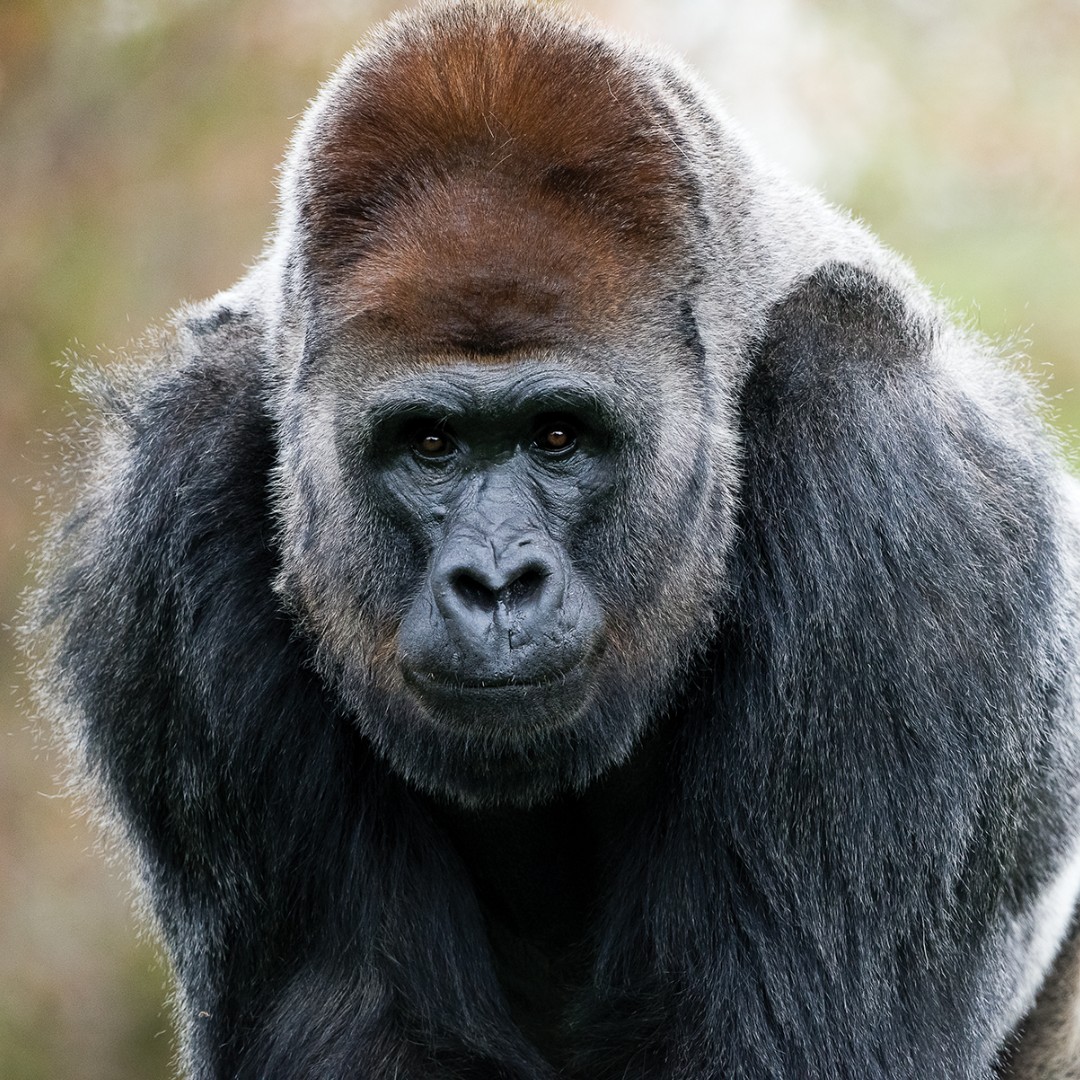
- The significance of Harry the western lowland gorilla in the Pittsburgh Zoo & Aquarium community.
- Understanding cardiac disease in great apes and its implications for wildlife care.
- Insights from the Great Ape Heart Project and the challenges of managing heart health in great apes.
- The role of modern zoos in wildlife conservation and research.
- Community engagement and mourning in the wake of Harry’s passing.
The Pittsburgh Zoo & Aquarium community has experienced a profound loss with the passing of Harry, a 33-year-old western lowland gorilla. Known for his gentle demeanor and playful antics, Harry had been a beloved figure among visitors and staff alike. The sudden cardiac event that led to his death on March 25, 2025, despite immediate resuscitation efforts, is a stark reminder of the vulnerabilities that great apes face in captivity.
Harry’s presence at the zoo extended beyond his physical existence; he served as a vital ambassador for his species. Gorillas such as Harry play an essential role in shaping public understanding of great apes and their conservation status. With their populations declining due to factors like habitat loss and poaching, every gorilla in a zoo serves as a visual and educational tool that fosters empathy and awareness. For many visitors, Harry was more than just an attraction; he represented a living connection to the wild world, making his loss feel personal.
Understanding cardiac disease in great apes is crucial not only for the health of individual animals but also for the broader knowledge of wildlife medicine. Cardiac issues have increasingly been identified as a significant concern for both captive and wild great apes. In Harry’s case, a diagnosis of cardiac disease was confirmed in 2022. His treatment plan was guided by insights from the Great Ape Heart Project, a collection of specialists aimed at addressing heart conditions in great apes through research and clinical interventions. This collaboration reflects the blending of veterinary science and wildlife conservation, underscoring the need for continuous advancements in animal care.
The heart is a vital organ, and understanding its health is imperative for species like the western lowland gorilla. Various factors can lead to cardiac disease, including genetics, age, nutrition, and environment. The knowledge gained through efforts such as the Great Ape Heart Project is invaluable. It helps veterinary teams develop targeted strategies for prevention and treatment that can extend the lives of these magnificent creatures. In Harry’s case, ongoing treatment and monitoring were aligned with best practices, yet the nature of cardiac diseases can be unpredictable, often leading to sudden events that catch even the most prepared facilities off guard.
Research has consistently highlighted that modern zoos play a pivotal role in wildlife conservation. They offer a sanctuary for endangered species and are invaluable for education and advocacy. The presence of gorillas in captivity allows scientists to conduct studies that would be impossible in the wild due to ethical and logistical constraints. By learning more about health issues like cardiac disease, zoos contribute essential information that can benefit all gorillas, whether in captivity or in their natural habitats.
Moreover, zoos frequently engage in breeding programs that aim to maintain genetic diversity. For species like the western lowland gorilla, the future hinges on the genetic health of the remaining populations. Such initiatives go hand in hand with conservation efforts focused on preserving natural habitats, combating poaching, and facilitating community involvement in wildlife protection.
In the aftermath of Harry’s death, the emotional response from the community has been significant. Mourning is a natural part of losing a long-term resident who had become a fundamental part of daily life at the zoo. Staff members who cared for him often describe deep bonds formed through daily interactions. Visitors and families who frequented the zoo could often witness Harry engaging with his environment, providing joyous moments that strengthened community ties. The combined grief exemplifies how zoos contribute not just to education and conservation, but also to local community spirit.
Education initiatives at the Pittsburgh Zoo & Aquarium amplify the impact of individual animals like Harry. Through programs focused on wildlife conservation, visitors gain valuable insights into the challenges that wildlife faces in the wild. Workshops, guided tours, and interactive exhibits provide an engaging platform for conveying the importance of biodiversity and ecological health.
With Harry’s passing, the Pittsburgh Zoo & Aquarium can also reflect on the lessons learned through his care and treatment. Each instance of illness in the resident animals offers veterinary staff opportunities to expand their expertise. It’s this commitment to improving animal welfare that ultimately benefits future generations of not only gorillas but various species as well.
The Great Ape Heart Project is an exemplary model of collaborative research, partnering zoos and universities to unify efforts in addressing cardiac health issues in great apes. Their observations illustrate not just the prevalence of cardiac disease but the intricate relationships between diet, exercise, and environmental stressors. Ongoing studies continue to identify the specific needs of captive great apes, fostering an atmosphere where veterinary science can evolve dynamically based on empirical evidence and best practices.
Community engagement has been vital during this time, with many reflecting on Harry’s impact. Social media tributes, community vigils, and shared stories have allowed individuals to connect through grief, fostering a collective understanding of conservation’s importance. Each interaction and expression of sorrow reinforces the idea that animals in captivity serve as more than spectacles—they stand as ambassadors for their species that can evoke deep emotional responses, catalyzing change in attitudes toward wildlife protection.
As the sorrow evident in the wake of Harry’s death recedes, it is imperative to address the future. The loss underscores the ongoing commitment required in wildlife conservation efforts and raises awareness about the health challenges facing captive great apes. By investing resources, time, and care into developing comprehensive health monitoring systems, facilities can advance not only the well-being of individual animals but the health of entire species.
Emphasizing community involvement persists as essential to effective conservation measures. Public education fostering empathy toward wildlife can lead to stronger advocacy efforts for habitat preservation and species protection. Engaging community members also enables zoos to implement outreach programs that resonate with diverse audiences and encourage grassroots initiatives aimed at wildlife conservation.
Harry the western lowland gorilla was a symbol of hope and joy within the Pittsburgh Zoo & Aquarium. His life and subsequent passing show the fragility of life in both wild and captive settings and reinforce the necessity for continued commitment to conservation, education, and research. As the community mourns, they also have an opportunity to celebrate Harry’s legacy by renewing their dedication to preserving a future where the western lowland gorilla and other threatened species can thrive.
This tragedy ultimately highlights the intricate ties between animal welfare, conservation science, and community engagement. Each element plays a role in fostering an environment where wildlife can flourish—whether in the wild or within the confines of a modern zoo. The memory of Harry can inspire future generations to prioritize conservation efforts, ensuring that the loss borne by this community transforms into a unified call for action in service to all endangered species.
*****
Source Description
The Pittsburgh Zoo & Aquarium community is mourning the loss of a longtime resident, Harry the western lowland gorilla.
The 33-year-old male gorilla died of a sudden cardiac event the afternoon of March 25, 2025 despite valiant immediate efforts to resuscitate him. In consultation with the Great Ape Heart Project, a group of specialists that focuses on understanding and treating heart disease in great apes, Harry had been receiving treatment for cardiac disease since 2022. You can read more on our website.
