
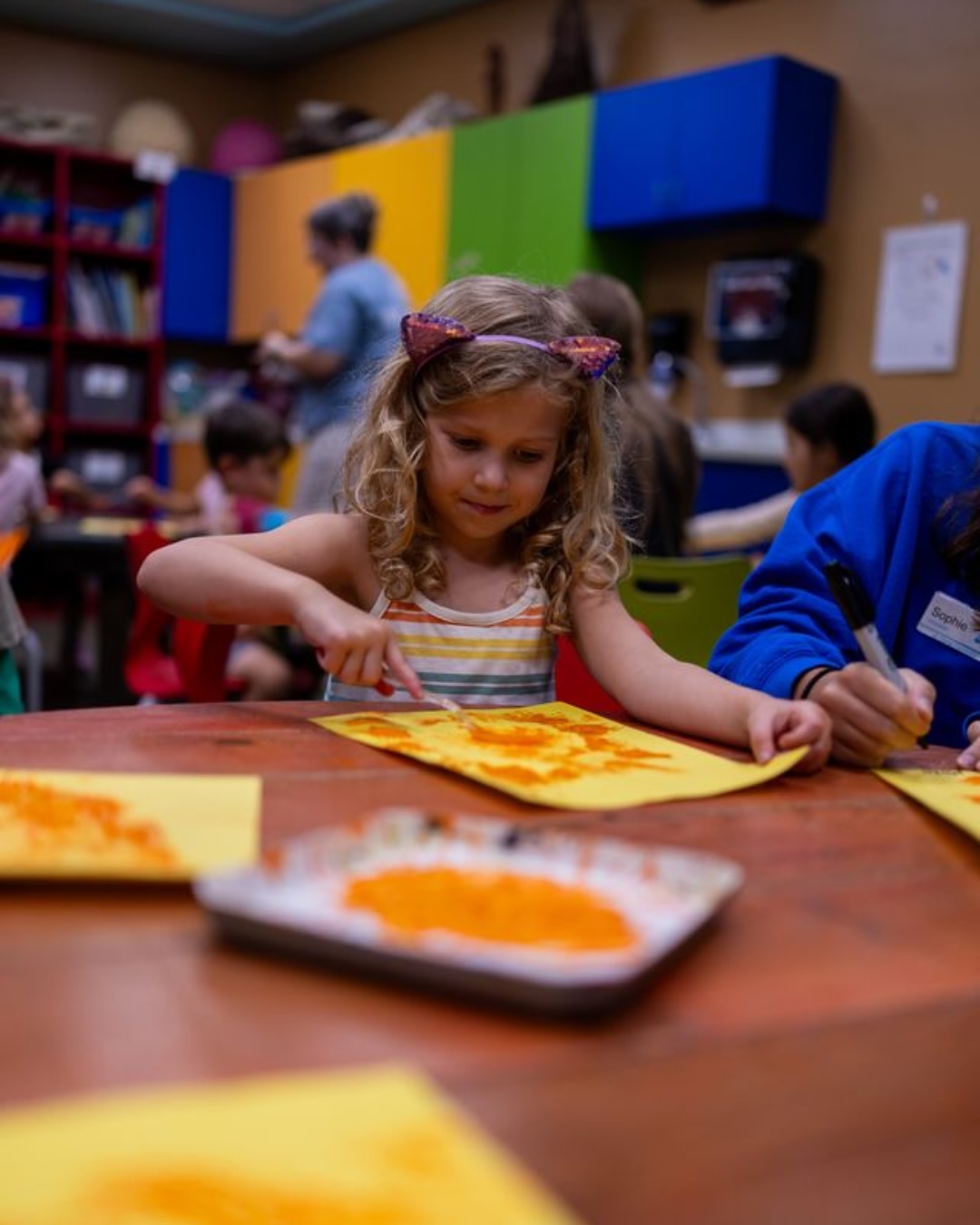
- The educational framework of the AquaTots program integrating pre-K standards
- The benefits of play-based learning for young children
- The role of hands-on activities in skill development
- The importance of environmental education and marine conservation
- Engaging parents and caregivers in children’s learning and exploration
The AquaTots program caters to children aged 3 to 5 years, offering an innovative approach that fuses pre-K standards with engaging activities at the aquarium. This initiative reflects a thoughtful blend of early childhood education with exposure to aquatic environments, ensuring children not only learn but thrive during their formative years. Each month, children participate in varied activities that span game-based learning, exploration, and hands-on projects, all designed to reinforce skills in numbers, letters, shapes, and social interaction.
The first focal point is the educational framework of the AquaTots program. Built on pre-K standards, the program delivers a structured learning environment that emphasizes foundational concepts in various subject areas. For instance, number recognition and basic arithmetic are coupled with aquatic themes. Children might count fish in a tank or group different sea creatures, integrating numeracy seamlessly with their environment. Similarly, lessons on shapes can be enhanced by observing the forms of coral, shells, or even the aquarium’s architectural designs. This integrated approach ensures that young learners not only grasp essential academic concepts but also understand their real-world applications.
Equally essential is the acknowledgement of play-based learning as a natural avenue through which young children acquire knowledge. Children engage with materials and experiences that provoke curiosity and creativity when they play. The AquaTots program leverages this principle, presenting a safe and stimulating space for exploration. Children might take on roles such as marine biologists or aquarists in play scenarios, which stimulates their imagination while allowing them to experiment and ask questions. Research highlights that play-based learning significantly enhances cognitive development in early childhood, making it an ideal teaching methodology for this age group.
The program’s focus on hands-on activities exemplifies its commitment to skill development. Children engage in tactile experiences: touching textured surfaces, observing moving creatures, and manipulating objects. These experiences are vital for physical development. For example, during a visit to the interactive touch tank, children can feel the skin of a starfish or the smoothness of a sea cucumber. This contact with live marine animals enhances sensory learning, allowing them to make personal connections with the content. By moving beyond traditional learning methods, AquaTots provides children with opportunities to engage directly with what they are learning about, solidifying their understanding and sparking further inquiry.
Furthermore, AquaTots also emphasizes environmental education, introducing young minds to the importance of marine conservation. As children learn about the diverse aquatic life, they also discover the delicate balance of ecosystems. Engaging activities might include discussions about the impact of pollution on marine habitats or learning about endangered species. These topics are often woven into games or crafts designed to spark conversation among the children and the adults accompanying them. Such discussions foster awareness of environmental issues and encourage children to think critically about their role in preserving the natural world.
Involving parents and caregivers in children’s learning journey can amplify the benefits of the AquaTots program. Family engagement activities provide situations for caregivers to reinforce lessons learned during the sessions. Through interactive experiences like family days at the aquarium or take-home activities, parents become active participants in their children’s education. This shared approach can strengthen familial bonds while helping to cultivate a shared interest in learning about the marine environment.
Additionally, the AquaTots program promotes social learning, a vital component of child development. Through cooperative games and shared activities, children develop skills such as teamwork and communication. Collaborating with peers while learning about marine life encourages social interaction, helping them navigate friendships and peer relationships. These experiences lay the groundwork for essential social skills that will be invaluable throughout their lives.
There is also an emphasis on cognitive skills development. The incorporation of problem-solving tasks into the curriculum equips children to think critically and creatively. Activities might involve building structures with marine-themed blocks, where children visualize marine habitats while enhancing their spatial reasoning and fine motor skills. This multi-faceted approach addresses several learning styles, allowing every child to thrive in their own way.
A crucial aspect of the AquaTots program is its focus on promoting emotional intelligence. Young children often struggle to articulate their feelings. By fostering an environment where they can express curiosity, excitement, or even frustration, the program acts as a safe platform for emotional exploration. In guided discussions, children can talk about what they felt during a touch tank encounter or while playing a game, promoting mindfulness and emotional awareness. Understanding and managing their emotions prepares children for real-life situations they will face as they grow older.
The AquaTots program also equips children with a sense of responsibility towards marine conservation. As they learn about ecosystems and the species that inhabit them, they begin to understand their part in the larger environmental picture. Activities might include storytelling sessions featuring ocean heroes who protect marine life, allowing children to relate these ideas to their own lives. Such narratives not only entertain but deliver powerful lessons about stewardship and activism for the environment.
Finally, assessments are a key component of this program. Gentle and age-appropriate evaluation methods provide valuable insights into each child’s progress. Teachers observe interactions and participation during activities, allowing them to adjust curriculum elements as needed. This personalized approach ensures that the program remains flexible and responsive to each child’s needs, thereby supporting their overall development. Feedback received from parents also plays a crucial role in enhancing the experience. This partnership allows for continuous improvement of the AquaTots program, ensuring it remains effective and relevant.
Through all these components, AquaTots provides an enriching platform for children ages 3 to 5 that goes beyond simple play. Educational principles merge with hands-on experiences, leading to a holistic development approach. This structure is beneficial for cognitive and social growth and encourages emotional understanding and environmental stewardship.
The program encapsulates the philosophy of “Play. Learn. Grow.” in an environment where education meets fun. Encouraging curiosity through interactive exploration allows children to engage meaningfully with their surroundings while fostering a love for learning. The AquaTots program creates a community homing in on young children’s potential and prepares them for a thoughtfully engaged future in both education and environmental conservation. By exploring a world of aquatic wonders, children build foundational skills that will serve them throughout their lives.
*****
Source Description
🐠 Play. Learn. Grow. ✨
Our AquaTots program (ages 3–5) combines pre-K standards with hands-on fun at the Aquarium! Each month includes games, activities, and exploration – building skills in numbers, letters, shapes, and social learning. 🌊
🔗 in our bio!
